PTA powder pneumatic conveying technology represents a critical method for handling and transporting PTA (polyethylene terephthalate acid) powder in industrial settings. This technology involves the use of air or other gases to move solid particles through a pipeline, offering advantages such as efficiency, safety, and flexibility in material handling processes. As a key component in the polymer and chemical industries, understanding the principles, applications, and future trends of this technology is essential for optimizing operational performance and ensuring cost-effective material transport.
Company Introduction
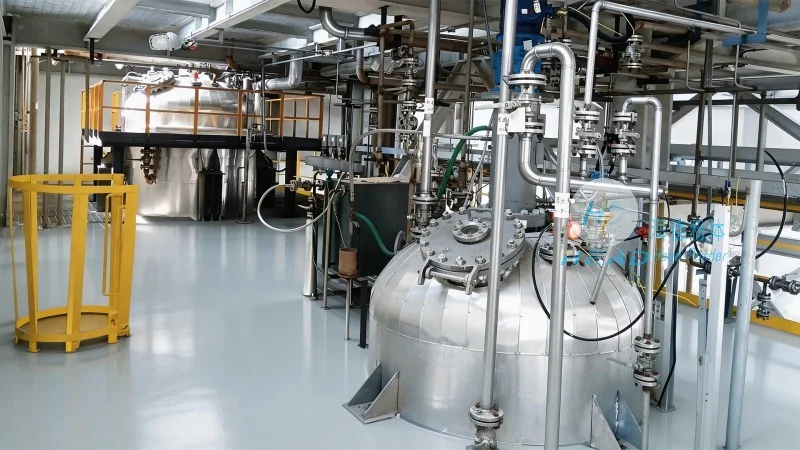
HeadPowder, a leading provider in the field, specializes in engineering solutions for pneumatic conveying systems. With a strong presence in Shandong, China, the company delivers tailored solutions that meet the specific needs of clients in the PTA and related industries. The expertise of HeadPowder Engineering Co., Ltd. lies in designing, manufacturing, and implementing advanced pneumatic conveying technologies that enhance productivity and safety in material handling operations.
Principles of PTA Powder Pneumatic Conveying
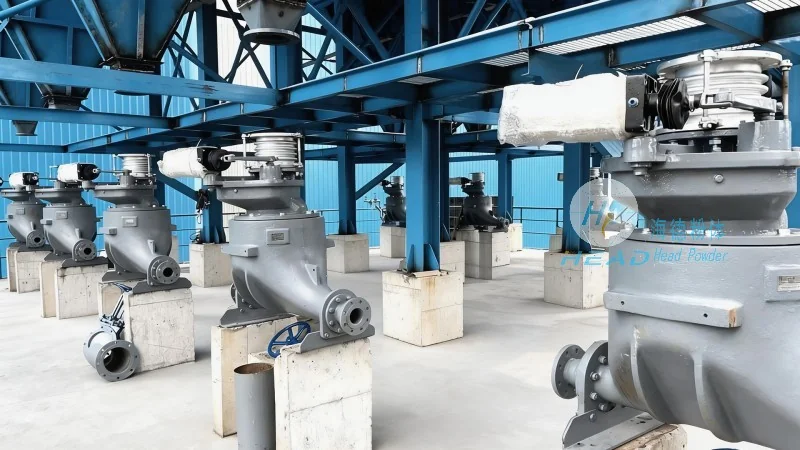
The core principle of pneumatic conveying for PTA powder involves the creation of a flow of air or gas that propels the solid particles through a pipeline. This process can be categorized into two main types: dilute phase and dense phase conveying. Dilute phase systems utilize higher air velocities to keep particles suspended, typically operating at velocities above 20 m/s. In contrast, dense phase systems use lower velocities and higher pressure to move particles in a more compact form, often at velocities between 5 to 15 m/s. The choice between these methods depends on factors such as particle size, density, and the distance of transport. For PTA powder, which is typically fine and abrasive, dense phase conveying is often preferred to minimize particle degradation and system wear. The system generally consists of a material feed hopper, a conveying line, a receiver, and a control system. The feed hopper ensures a consistent supply of PTA powder, while the conveying line transports the material to the destination. The receiver collects the material and may include a filter to remove any entrained air or dust. The control system regulates the air flow and pressure to maintain optimal conveying conditions. The air used in the system is often filtered and dried to prevent moisture absorption by the PTA powder, which could affect its quality and processing characteristics.
Applications in PTA Processing
PTA powder pneumatic conveying technology finds extensive applications in the production and processing of PTA. In the initial stages of PTA manufacturing, raw materials are transported from storage to processing units using pneumatic systems. This ensures a continuous and efficient supply of raw materials to reactors and other equipment. During the production process, intermediate products may also be conveyed between processing stages, such as from crystallization to filtration or drying. The technology is also used in the final stages of PTA handling, where the finished product is transported from the production line to storage or packaging facilities. In addition to internal plant operations, pneumatic conveying is employed in the transfer of PTA powder to downstream processes, such as polymerization for PET production. The ability to handle PTA powder in a dust-free and controlled manner is crucial for maintaining product quality and preventing contamination. HeadPowder's systems are designed to meet these requirements, ensuring that PTA powder is transported without degradation or loss of quality. For example, in a typical PTA plant, the pneumatic conveying system may transport PTA powder from a storage silo to a reactor at a rate of several tons per hour, maintaining consistent flow rates and pressure levels to avoid clogging or system failure.
Advancements and Future Trends
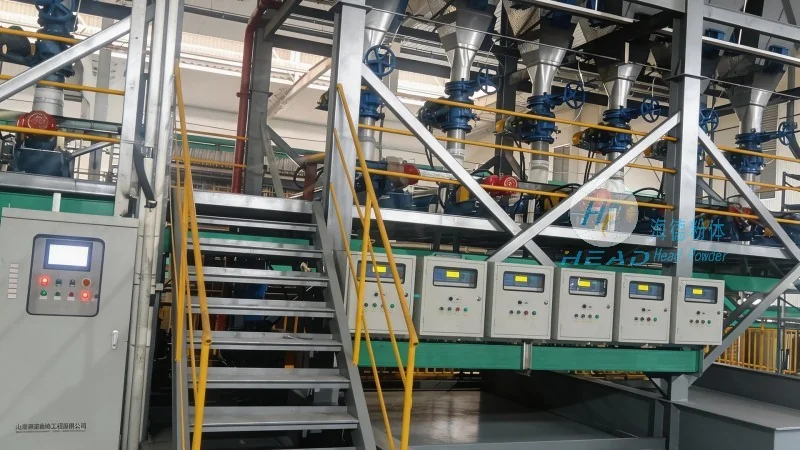
The field of PTA powder pneumatic conveying is continuously evolving, with advancements aimed at improving efficiency, reducing costs, and enhancing safety. One of the key trends is the development of more energy-efficient systems. Modern pneumatic conveying equipment incorporates advanced control technologies, such as variable frequency drives (VFDs), which adjust air flow and pressure based on the actual conveying requirements. This reduces energy consumption compared to traditional systems that operate at constant speeds. Another trend is the integration of automation and monitoring systems. These systems use sensors to monitor parameters like pressure, flow rate, and particle concentration in real-time, allowing for immediate adjustments to maintain optimal performance. This not only improves efficiency but also enhances safety by detecting potential issues before they lead to system failures. Additionally, there is a growing focus on sustainable practices in the industry. Pneumatic conveying systems are being designed to minimize waste and reduce environmental impact. For instance, some systems incorporate recycling of air or the use of renewable energy sources to power the conveying process. HeadPowder Engineering Co., Ltd. is at the forefront of these advancements, developing innovative solutions that align with the industry's future needs. The company's research and development efforts focus on improving system reliability, reducing maintenance costs, and enhancing the overall performance of pneumatic conveying for PTA powder. As the demand for PTA continues to grow, the development of more advanced and efficient pneumatic conveying technologies will be critical to meeting the industry's challenges and ensuring sustainable growth.




