Airborne Conveying Technology for Lithium-Ion Battery Cathode Materials: Principles, Applications, and Development Trends
Release time:2026-09-10 19:52:37
name of the company:Shandong Headpowder Engineering Co., Ltd.
telephone:156-6277-7102
contacts:Zhang manager
HeadPowder, a leading engineering company based in Shandong, China, specializes in advanced material handling solutions tailored for the lithium-ion battery industry. The company's expertise lies in developing efficient and reliable airborne conveying systems for cathode materials, which are crucial components in modern battery production. This technology addresses the challenges of handling fine powders and ensuring consistent quality in the manufacturing process.
Principles of Airborne Conveying for Cathode Materials
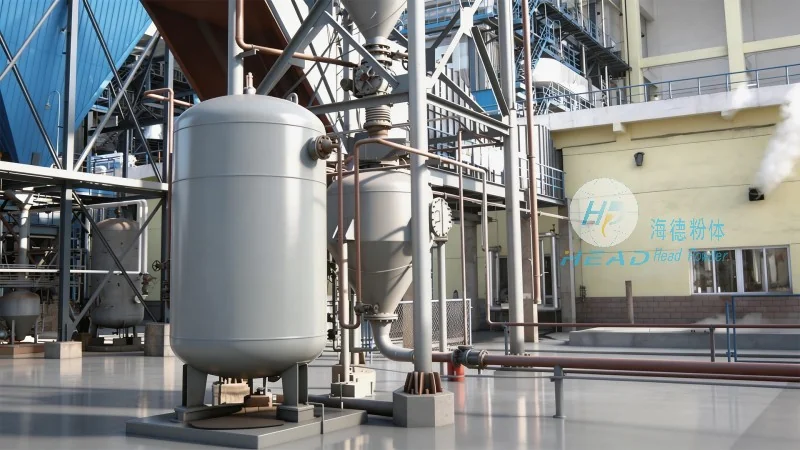
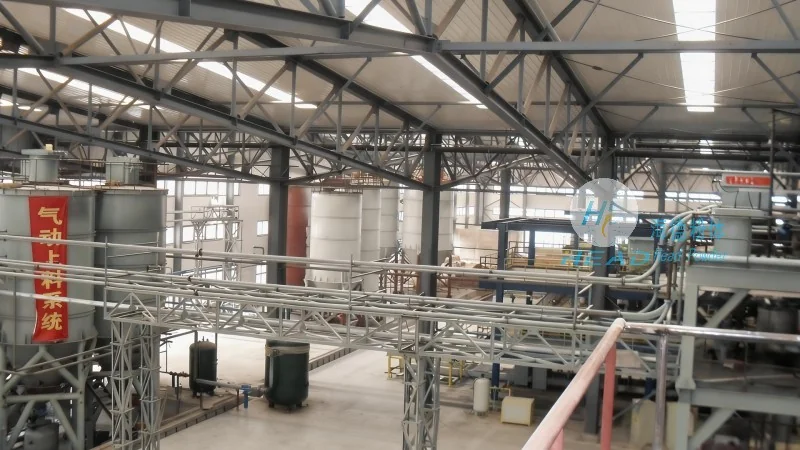
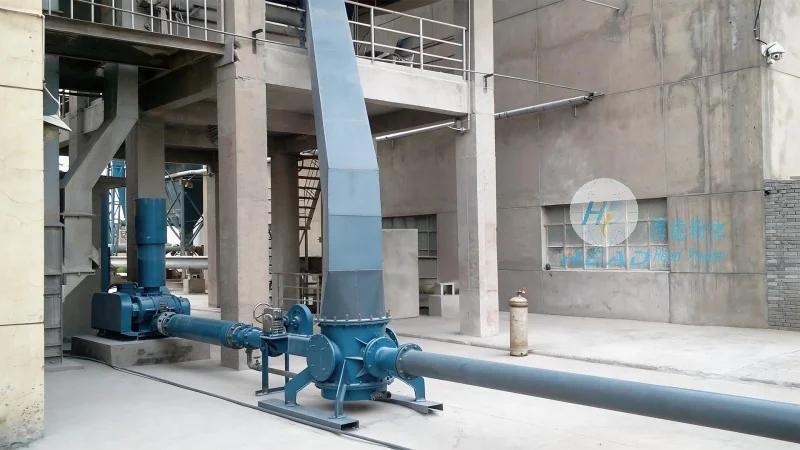
The core principle of airborne conveying involves the use of air as a medium to transport solid particles. In the context of lithium-ion battery cathode materials, such as lithium cobalt oxide (LiCoO₂), lithium nickel manganese cobalt oxide (NMC), and lithium iron phosphate (LFP), the system utilizes a combination of pressure or vacuum to move the material through a pipeline. The process typically includes a feeding device, a conveying line, and a discharge mechanism. The air velocity is carefully controlled to maintain particle suspension without causing degradation or agglomeration. This method ensures a uniform flow rate and minimal material loss, which are critical for maintaining the chemical properties of the cathode materials.
Applications in Lithium-Ion Battery Manufacturing
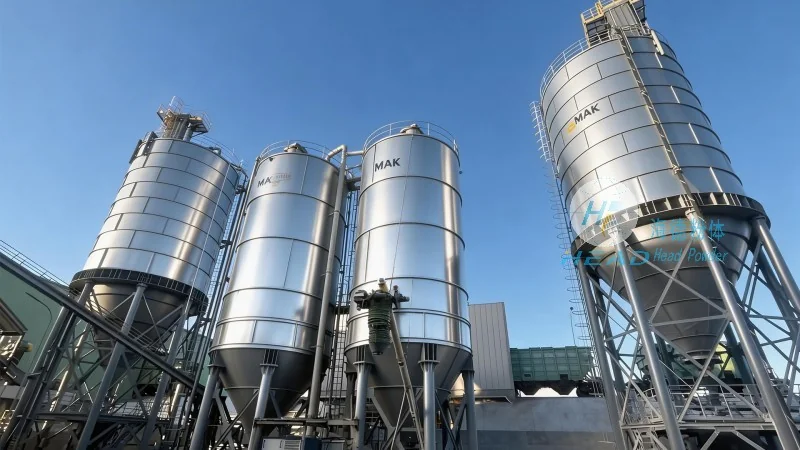
HeadPowder's airborne conveying systems are widely applied in various stages of lithium-ion battery production. In the material preparation phase, the technology is used to transport raw materials from storage silos to mixing and grinding equipment. During the mixing process, the system ensures homogeneous blending of different components, which is essential for achieving the desired chemical composition and particle size distribution. In the coating and drying stages, the conveying technology efficiently transfers the slurry or dry powders to the coating machines, maintaining consistent thickness and uniformity. Additionally, the system is employed in quality control and packaging processes, where precise material handling is required to meet stringent industry standards.
Development Trends and Future Prospects
The airborne conveying technology for lithium-ion battery cathode materials is continuously evolving to meet the growing demands of the battery industry. Advances in material science and engineering are leading to the development of more efficient and energy-saving conveying systems. For instance, the integration of smart sensors and real-time monitoring allows for better control of air pressure and flow rate, enhancing process stability. Additionally, the focus is on improving the system's capacity and scalability to accommodate the increasing production volumes of lithium-ion batteries. The trend also includes the adoption of more sustainable and environmentally friendly materials, such as biodegradable components in the conveying equipment, to align with global environmental regulations. As the battery industry expands, the technology is expected to play a pivotal role in optimizing production efficiency and reducing operational costs.




