When it comes to handling and transporting PTA (para-xylene terephthalic acid), a key component in the production of polyester fibers and resins, selecting the right conveying method is crucial for efficiency, safety, and cost-effectiveness. PTA is a fine, crystalline powder that requires specialized equipment to move without degradation or loss. This article explores the primary methods used for PTA conveying, highlighting the considerations and applications of each approach.
Understanding PTA and Its Conveying Requirements
PTA is a white crystalline solid with a high melting point and low bulk density, making it susceptible to bridging, caking, and dust generation during handling. Effective conveying systems must address these challenges to ensure consistent flow and prevent material degradation. The choice of conveying method depends on factors such as the scale of operation, the distance to be covered, the required flow rate, and the need for dust control. For industrial applications, several proven technologies are commonly employed.
Common PTA Conveying Methods
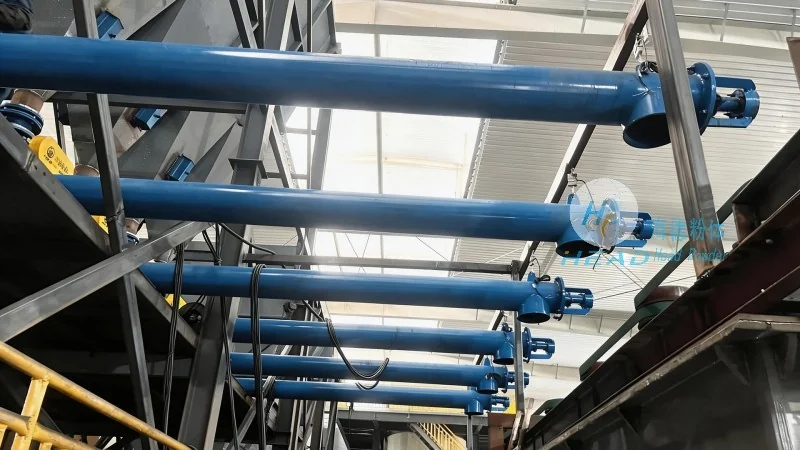
One of the most widely used methods for PTA conveying is the belt conveyor system. This type of equipment uses a continuous loop of rubber or plastic belt to transport material horizontally or at a slight incline. Belt conveyors are ideal for long-distance transport and can handle large volumes of PTA efficiently. They are often equipped with special features such as anti-static coatings and dust suppression systems to prevent material buildup and ensure safe operation. The design of the belt conveyor, including the speed and angle of inclination, is tailored to the specific characteristics of PTA to maintain a smooth, unobstructed flow.
Another effective method is the screw conveyor, also known as a auger conveyor. Screw conveyors use a rotating helical screw to push PTA along a tube or trough. This method is particularly suitable for vertical or inclined transport and can handle materials with a higher moisture content or those prone to caking. The screw's pitch and speed are adjusted to control the flow rate and prevent material from sticking to the screw or the trough. Screw conveyors are often used in combination with other equipment, such as feeders or classifiers, to manage the PTA stream effectively.
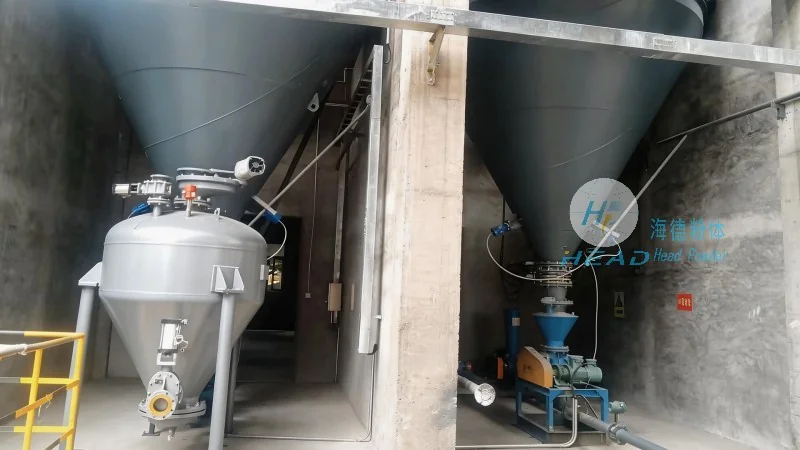
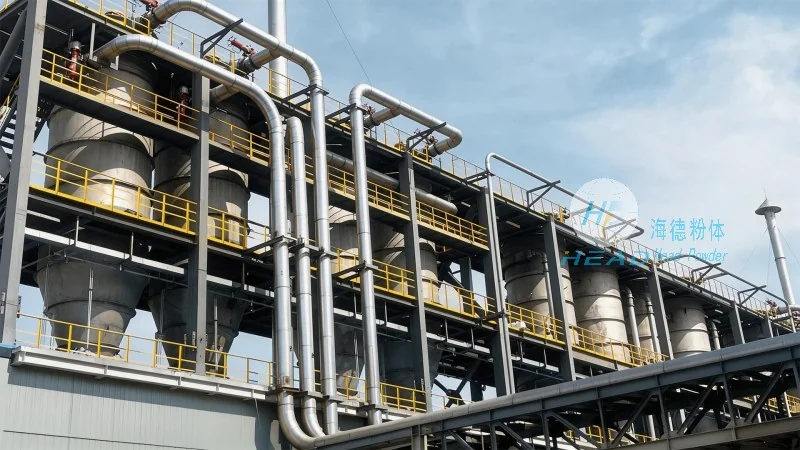
For applications requiring high-speed, low-dust transport, pneumatic conveying systems are a popular choice. These systems use air or other gases to transport PTA particles through a pipeline. There are two main types of pneumatic conveying: pressure and vacuum. Pressure systems use compressed air to push the material forward, while vacuum systems use suction to draw the material into the pipeline. Pneumatic conveying is effective for long distances and can be integrated with other processing equipment, such as reactors or reactors, to streamline the production process. However, it requires careful control of air pressure and flow to avoid material degradation or blockages.
Specialized Equipment for PTA Conveying
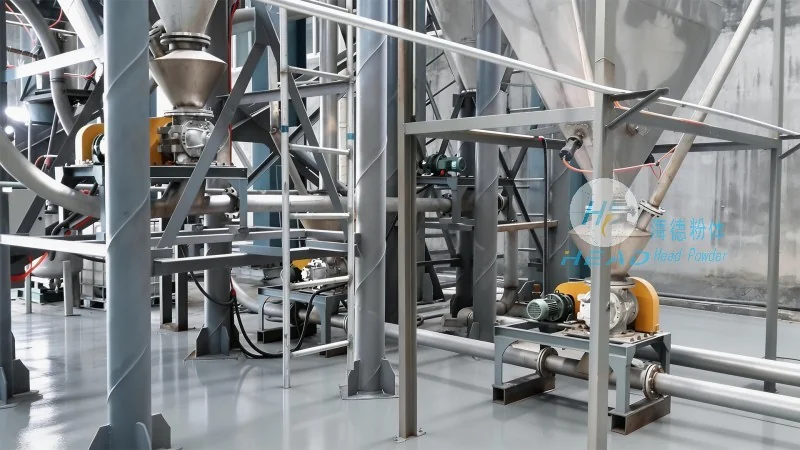
Companies like Shandong HeadPowder Engineering Co., Ltd., a leading manufacturer of industrial conveying solutions, offer customized equipment to meet the unique needs of PTA handling. Their expertise lies in designing systems that address the specific challenges of PTA, such as its fine particle size and tendency to generate dust. For example, their belt conveyor systems may include features like adjustable speed drives and anti-static coatings to ensure safe and efficient operation. Similarly, their screw conveyors are engineered with durable materials and precise pitch designs to prevent caking and maintain consistent flow. The company's commitment to quality and innovation ensures that their conveying solutions are reliable and long-lasting, helping clients optimize their PTA processing operations.
Key Considerations for PTA Conveying Systems
When selecting a PTA conveying system, several factors must be considered to ensure optimal performance. First, the scale of the operation and the required flow rate are critical. A small-scale facility may use a simple screw conveyor, while a large-scale plant may require a combination of belt and pneumatic conveyors. Second, the distance between the source and destination of the PTA must be evaluated. Long distances may necessitate the use of multiple conveyors or a combination of methods to maintain efficiency. Third, dust control is a major concern due to PTA's fine particle nature. Conveying systems must be equipped with dust suppression devices, such as filters or enclosures, to prevent environmental contamination and ensure worker safety. Finally, the cost of the system and its maintenance must be considered. While some methods may have higher upfront costs, they may offer long-term savings through increased efficiency and reduced downtime.
Conclusion
In conclusion, the choice of PTA conveying method depends on a variety of factors, including the scale of operation, the distance to be covered, and the need for dust control. Belt conveyors, screw conveyors, and pneumatic systems are all effective options, each with its own advantages and limitations. Companies like Shandong HeadPowder Engineering Co., Ltd. play a vital role in providing customized solutions that address the unique challenges of PTA handling. By selecting the right conveying system and working with experienced manufacturers, industrial facilities can ensure efficient, safe, and cost-effective transport of PTA, supporting their overall production goals.




