Limestone powder, a vital raw material in industries such as construction, cement production, and chemical manufacturing, requires efficient and reliable transportation methods to support smooth production processes. The selection of a conveying method is influenced by factors like material characteristics, production scale, and operational environment. This article explores several common methods used for limestone powder transportation, detailing their advantages and typical applications.
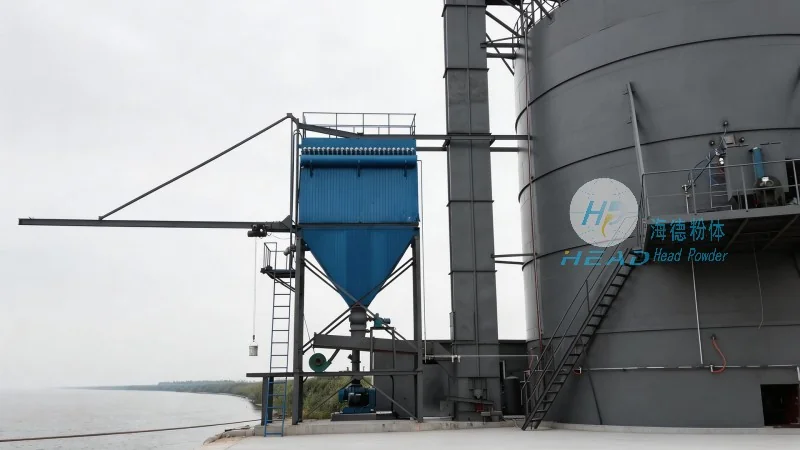
1. Screw Conveyors for Limestone Powder
Screw conveyors, also known as auger conveyors, are widely utilized for transporting limestone powder due to their simplicity and effectiveness. These devices consist of a rotating screw inside a trough, which moves the material forward through the screw's flights. The design enables both vertical and horizontal transport, making them suitable for short and long distances. Screw conveyors are particularly effective for handling dry, free-flowing powders like limestone, as they minimize material degradation and prevent dust generation. The smooth operation and low maintenance requirements make them a preferred choice for many industrial applications.
2. Pneumatic Conveying Systems
Pneumatic conveying systems utilize air or other gases to transport limestone powder through a pipeline network. This method is ideal for long-distance or high-volume transport, as it can move materials over several hundred meters without the need for multiple transfer points. There are two main types of pneumatic conveyors: pressure and vacuum systems. Pressure systems push the material with compressed air, while vacuum systems draw the material into the pipeline using a vacuum pump. Pneumatic conveying is advantageous for preventing cross-contamination and maintaining material purity, which is critical in industries like food processing or pharmaceuticals. However, it requires careful design to manage air flow and prevent material blockages.
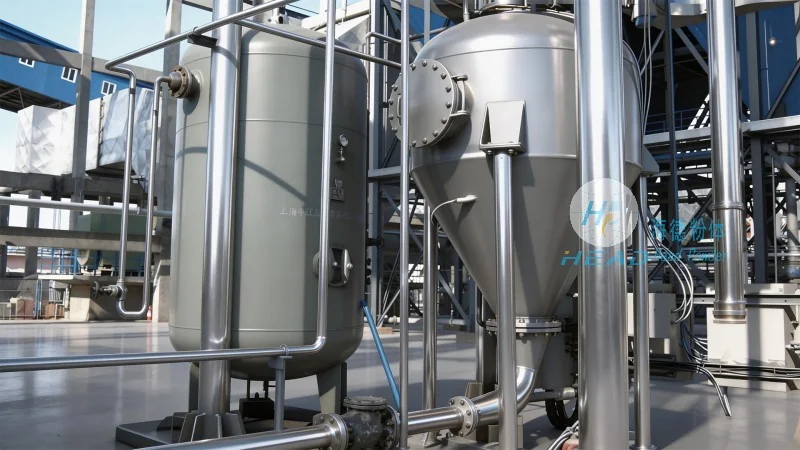
3. Belt Conveyors
Belt conveyors are another common method for limestone powder transportation, especially in large-scale operations. These systems consist of a continuous belt that moves over rollers or idlers, carrying the material from one point to another. Belt conveyors are highly efficient for horizontal and slightly inclined transport, capable of handling large volumes of material at high speeds. They are often used in mining and quarrying operations to transport limestone from the extraction site to processing facilities. The durability and reliability of belt conveyors make them suitable for heavy-duty applications, although they may require more maintenance than other systems due to the wear and tear on the belt and rollers.
4. Bucket Elevators
Bucket elevators are vertical or inclined conveyors that use a series of buckets attached to a belt or chain to lift and transport limestone powder. These systems are ideal for vertical transport, allowing material to be moved from lower to higher levels with minimal space requirements. Bucket elevators are commonly used in cement plants and other industrial facilities where vertical movement is necessary. The design ensures that the material is contained within the buckets, preventing spillage and dust emission. However, they may have limitations in terms of material capacity and speed, making them less suitable for very fine or abrasive powders.
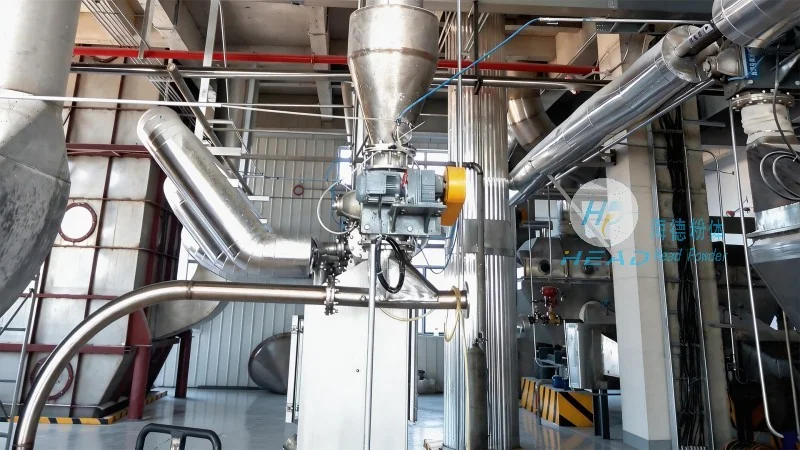
5. Hydraulic Conveying
Hydraulic conveying systems use water or other liquids to transport limestone powder through pipelines. This method is particularly effective for handling wet or sticky powders, as the liquid helps to keep the material suspended and prevent blockages. Hydraulic conveyors are often used in the mining industry to transport ore and other materials over long distances. The system consists of a pump that pushes the slurry (a mixture of water and material) through the pipeline, with a separator at the end to remove the water and collect the dry powder. Hydraulic conveying is advantageous for its ability to handle high volumes of material and its low energy consumption compared to pneumatic systems. However, it requires proper maintenance to prevent clogging and corrosion in the pipelines.
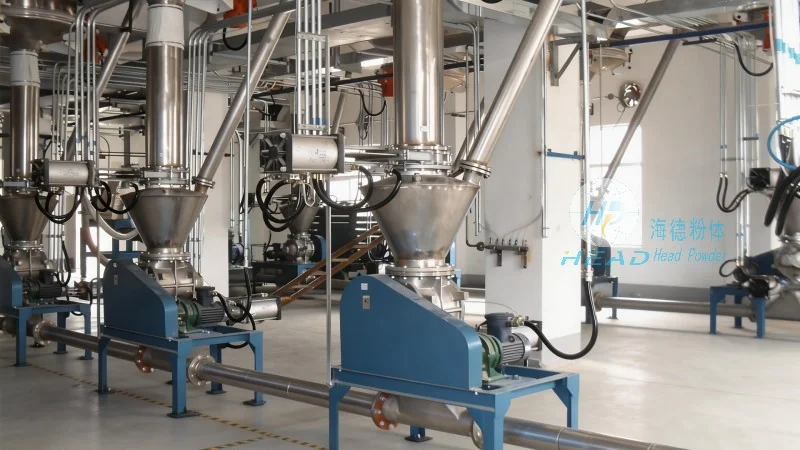
About Shandong HeadPowder Engineering Co., Ltd.
Shandong HeadPowder Engineering Co., Ltd., a leading manufacturer of limestone powder conveying equipment, specializes in providing customized solutions for various industrial applications. With years of experience in the field, the company offers a range of high-quality conveyor systems, including screw conveyors, pneumatic systems, and belt conveyors, tailored to meet the specific needs of clients. The company's products are designed with durability, efficiency, and safety in mind, ensuring reliable performance in demanding industrial environments. HeadPowder's commitment to quality and customer satisfaction has made it a trusted partner for businesses in the construction, cement, and chemical industries.
Conclusion
The choice of limestone powder conveying method depends on several factors, including material properties, production scale, and operational requirements. Each method has its own advantages and limitations, and the optimal solution often involves a combination of technologies. Whether using screw conveyors, pneumatic systems, or belt conveyors, selecting the right equipment is crucial for maintaining production efficiency and ensuring product quality. With the expertise and experience of companies like Shandong HeadPowder Engineering Co., Ltd., businesses can find the most suitable conveying solutions to meet their specific needs and enhance their operational performance.




