When it comes to transporting silica sand, selecting the right conveying method is crucial for efficiency, cost-effectiveness, and operational safety. Silica sand, a key raw material in various industries such as glass manufacturing, foundries, and construction, requires reliable and efficient transport solutions to meet production demands. This article explores the primary methods used for silica sand conveying, highlighting the capabilities and considerations of each approach.
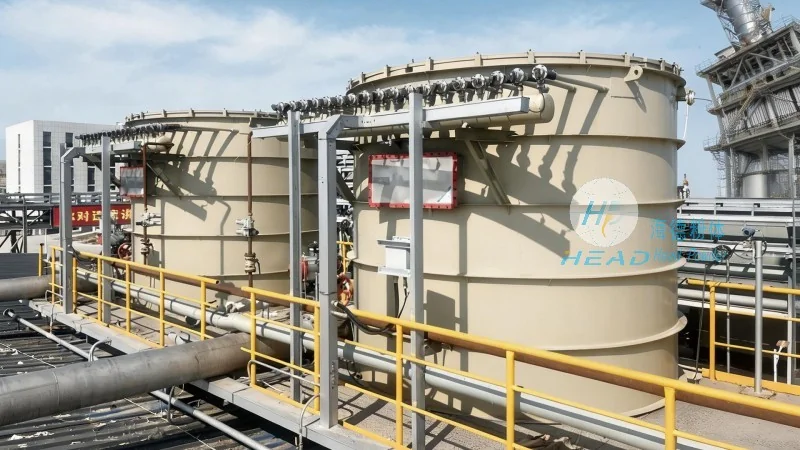
Overview of Silica Sand Conveying Methods
Silica sand conveying involves moving sand from its source to processing or storage areas. The choice of method depends on factors like the sand's properties (e.g., particle size, moisture content), distance to be conveyed, and the specific requirements of the end application. Common methods include mechanical conveyors, pneumatic systems, and hydraulic solutions. Each method has distinct advantages and limitations that make it suitable for different scenarios.
1. Belt Conveyor System for Silica Sand
One of the most widely used methods for silica sand conveying is the belt conveyor system. This mechanical solution utilizes a continuous belt that moves the sand along a fixed path. The belt conveyor is particularly effective for long-distance transport and high-volume applications. It can handle a wide range of particle sizes and is capable of transporting sand over horizontal and inclined distances. The system typically consists of a drive unit, pulleys, and a hopper to feed the sand onto the belt. The smooth operation and low maintenance requirements make it a preferred choice for many silica sand operations.
HeadPowder, a leading provider in the field, offers high-quality belt conveyor systems tailored to the needs of silica sand transport. Their systems are designed to ensure minimal material loss and consistent flow, which is critical for maintaining product quality and reducing operational costs. The company’s expertise in engineering and manufacturing ensures that each conveyor is optimized for the specific characteristics of silica sand, such as its abrasive nature, which can affect the lifespan of components.
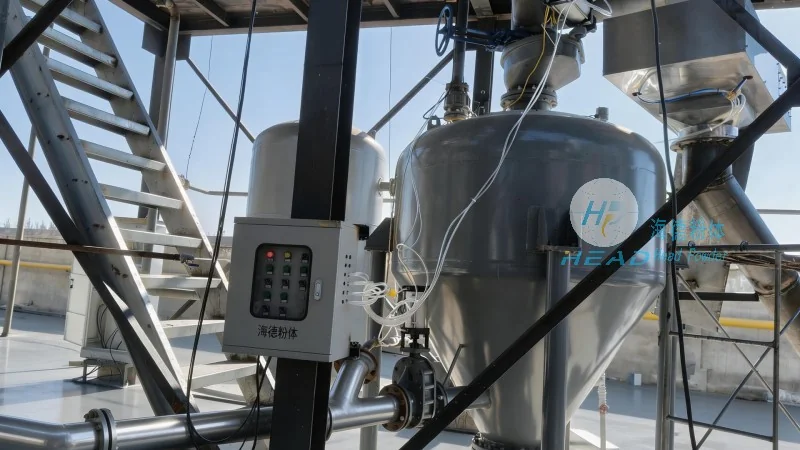
2. Screw Conveyor for Silica Sand
Screw conveyors, also known as auger conveyors, are another effective method for transporting silica sand, especially in applications requiring vertical or inclined movement. This system uses a rotating screw (auger) to push the sand forward through a trough. Screw conveyors are ideal for handling dry, free-flowing materials and are commonly used in batching plants, feed mills, and other processing facilities. They are compact and can be installed in confined spaces, making them suitable for sites with limited layout options.
HeadPowder Engineering Co., Ltd., based in Shandong, China, specializes in the design and installation of screw conveyors for silica sand. Their screw conveyors are built with durable materials to withstand the abrasive properties of silica sand, ensuring long-term performance. The company’s engineers work closely with clients to determine the optimal screw speed and trough dimensions, which directly impact the conveying efficiency and material handling capacity.
3. Pneumatic Conveying System for Silica Sand
Pneumatic conveying systems use air or other gases to transport silica sand through a pipeline. This method is particularly useful for applications where dust control is a priority or where the sand needs to be moved over long distances with minimal disruption. Pneumatic systems can be either positive or negative pressure, depending on the direction of material flow. Positive pressure systems push the sand through the pipeline using a blower, while negative pressure systems pull the sand using a vacuum system.
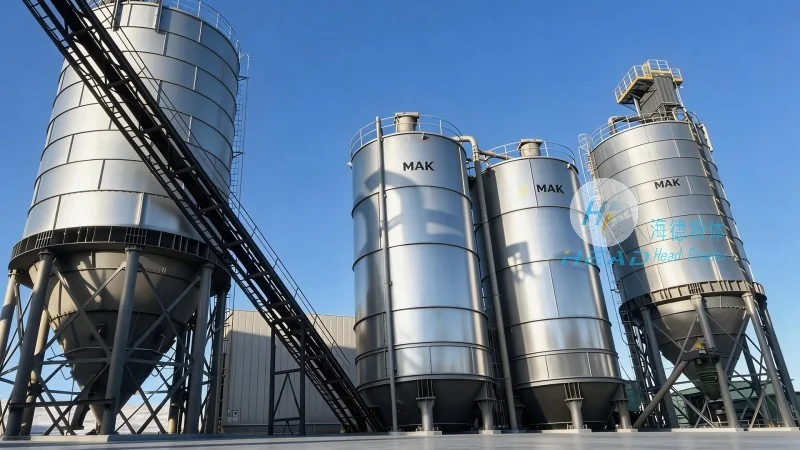
HeadPowder offers advanced pneumatic conveying solutions for silica sand, which are designed to handle both dry and slightly moist sand. The company’s systems are equipped with filters and cyclones to separate the sand from the air, ensuring that the material remains clean and free from contamination. This is especially important in industries like glass manufacturing, where the purity of silica sand is critical for product quality. The pneumatic system also allows for flexible routing, enabling the sand to be transported to multiple destinations from a single source.
4. Hydraulic Conveying for Silica Sand
Hydraulic conveying systems use water or other liquids to transport silica sand, typically in applications where the sand is mixed with water to form a slurry. This method is commonly used in mining operations and for transporting sand over long distances in waterways. Hydraulic conveyors are effective for handling wet or sticky sand and can transport large volumes of material with relatively low energy consumption.
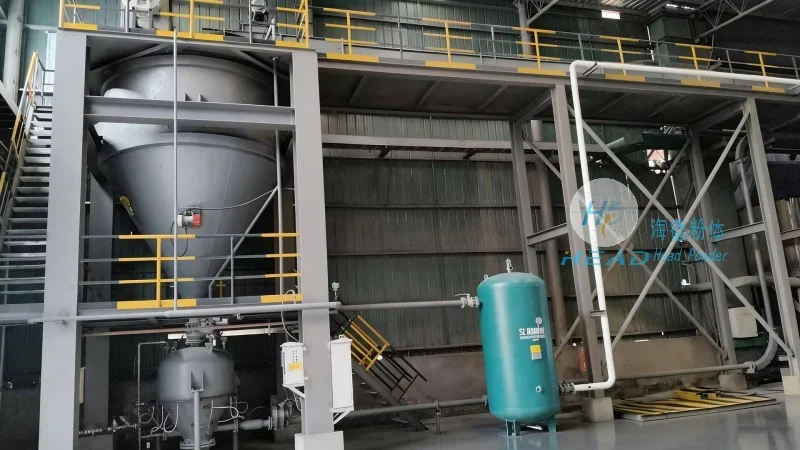
While less common for general silica sand processing, hydraulic systems are an option for specific applications. HeadPowder Engineering Co., Ltd. has experience in designing hydraulic conveying solutions, particularly for mining and construction projects. The company’s expertise in fluid dynamics and material handling ensures that the hydraulic system is optimized for the specific characteristics of the sand and the required transport distance.
Comparative Analysis of Conveying Methods
When selecting a conveying method for silica sand, it is essential to compare the options based on several factors. Belt conveyors are generally the most cost-effective for long-distance horizontal transport, while screw conveyors are ideal for vertical or compact installations. Pneumatic systems offer flexibility and dust control benefits but may have higher energy costs. Hydraulic systems are suitable for wet or slurry applications but require additional infrastructure for water management.
HeadPowder Engineering Co., Ltd. provides comprehensive consultation services to help clients choose the most appropriate conveying method. Their team evaluates the specific needs of each project, including the sand's properties, transport distance, and operational budget, to recommend the best solution. By leveraging their expertise in material handling and engineering, HeadPowder ensures that clients achieve efficient, reliable, and cost-effective silica sand transport.




