

Technical Analysis of Carbon Particle Pneumatic Conveying Systems: Comparison of Positive Pressure a
Carbon particle pneumatic conveying systems are critical in industrial applications for transporting carbon-based materials efficiently. This article provides a technical analysis of the two primary conveying modes—positive pressure and negative pressure—and compares their features, advantages, and applications. The information is presented by Shandong HeadPowder Engineering Co., Ltd., a leading provider in the field, based in Shandong, China.
Introduction to Carbon Particle Pneumatic Conveying Systems
Pneumatic conveying systems use air or gas to transport bulk materials like carbon particles through a pipeline. These systems are widely used in industries such as carbon manufacturing, chemical processing, and material handling due to their ability to handle abrasive or sensitive materials without mechanical wear. The choice between positive pressure and negative pressure systems depends on factors like material characteristics, system layout, and operational requirements.
Positive Pressure Conveying Mode
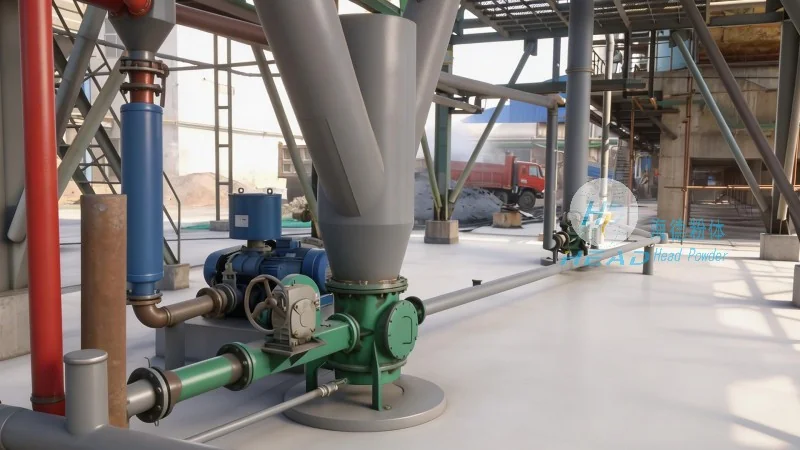
Positive pressure conveying systems operate by blowing air or gas into the conveying line, creating a pressure higher than the ambient air pressure. This method is suitable for transporting materials over long distances or through complex piping networks. The system typically includes a blower, a material feed hopper, and a discharge point. The positive pressure helps maintain the material flow and prevents air leakage, making it ideal for handling fine or dusty carbon particles. Shandong HeadPowder Engineering Co., Ltd. specializes in designing and manufacturing positive pressure systems tailored to the specific needs of carbon particle handling, ensuring efficient and reliable material transport.
Negative Pressure Conveying Mode
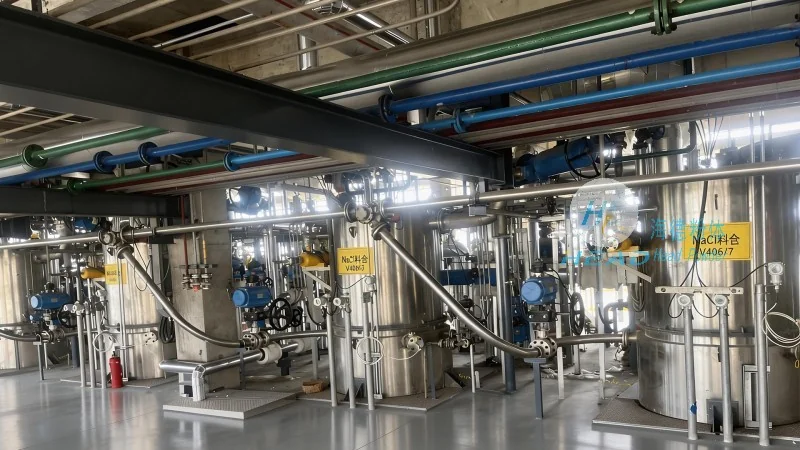
Negative pressure conveying systems, also known as suction systems, operate by creating a vacuum in the conveying line, drawing material from the source into the pipeline. This mode is often used for short-distance or low-volume transport, especially when the material is to be collected from a confined space. The negative pressure helps in controlling dust emissions and maintaining a clean environment. However, it may require more powerful vacuum pumps and is less suitable for long-distance or high-volume applications. The system includes a vacuum pump, a material inlet, and a discharge point. Shandong HeadPowder Engineering Co., Ltd. offers negative pressure solutions that balance efficiency and environmental compliance for carbon particle handling.
Key Differences Between Positive and Negative Pressure Systems
When comparing positive and negative pressure conveying systems for carbon particles, several factors come into play. Positive pressure systems generally offer higher conveying capacities and are more suitable for long-distance transport, while negative pressure systems are better for short distances and require less initial investment in equipment. The choice also depends on the material's density, particle size, and moisture content. For instance, fine carbon powders may require a more controlled environment, which negative pressure systems can provide by minimizing dust dispersion. Conversely, bulk carbon granules might benefit from the higher pressure and flow rates of positive pressure systems.
Application Examples in Carbon Industry
Carbon particle pneumatic conveying systems are widely applied in various carbon-related processes. In the production of carbon black, positive pressure systems are used to transport raw materials and finished products from reactors to storage tanks. The high pressure ensures that the fine carbon particles are conveyed without clogging the pipelines. In graphite processing, negative pressure systems are employed to collect graphite dust from processing equipment, maintaining a safe and dust-free workplace. Shandong HeadPowder Engineering Co., Ltd. has successfully implemented both types of systems in these applications, demonstrating their effectiveness in improving production efficiency and reducing operational costs.
Design Considerations for Optimal Performance
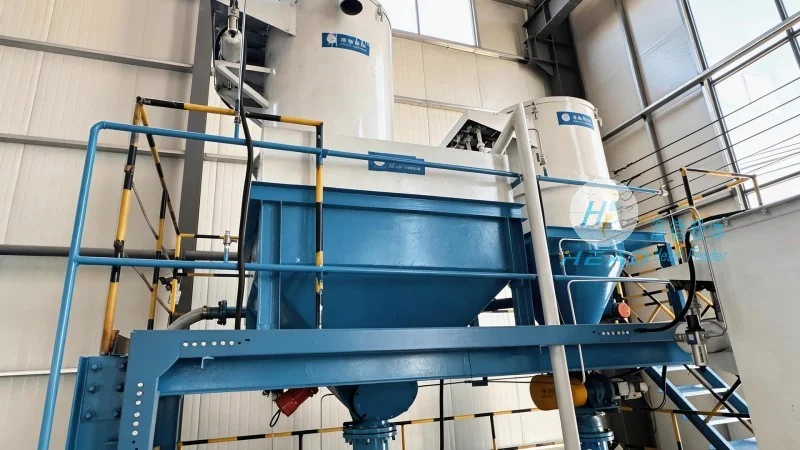
Designing an effective carbon particle pneumatic conveying system involves several technical considerations. The selection of the right blower or vacuum pump is crucial, as it determines the system's pressure and flow capacity. The pipeline diameter and length must be optimized to minimize pressure drop and energy consumption. Material feed mechanisms, such as rotary valves or screw feeders, are essential to ensure a consistent flow rate and prevent blockages. Additionally, the system must be equipped with proper filtration and dust collection to comply with environmental regulations. Shandong HeadPowder Engineering Co., Ltd. employs advanced engineering techniques and material science expertise to design systems that meet these requirements, ensuring long-term reliability and performance.
Conclusion
Both positive pressure and negative pressure conveying modes have their unique advantages and are suitable for different carbon particle handling scenarios. Positive pressure systems are preferred for long-distance, high-volume transport, while negative pressure systems are ideal for short-distance, low-volume or dust-sensitive applications. The choice ultimately depends on the specific operational needs and material characteristics. Shandong HeadPowder Engineering Co., Ltd. provides comprehensive solutions, including system design, manufacturing, and installation, to help industries select and implement the most appropriate pneumatic conveying system for their carbon particle handling requirements. By leveraging their expertise and advanced technology, companies can enhance their material transport efficiency, reduce operational costs, and improve overall production performance.