HeadPowder, a leading engineering firm based in Shandong, China, specializes in advanced material handling solutions, including the development and implementation of bauxite pneumatic conveying systems. This article provides a comprehensive exploration of negative pressure and positive pressure pneumatic conveying technologies, focusing on their applications in bauxite transportation and the technical nuances that define their effectiveness.
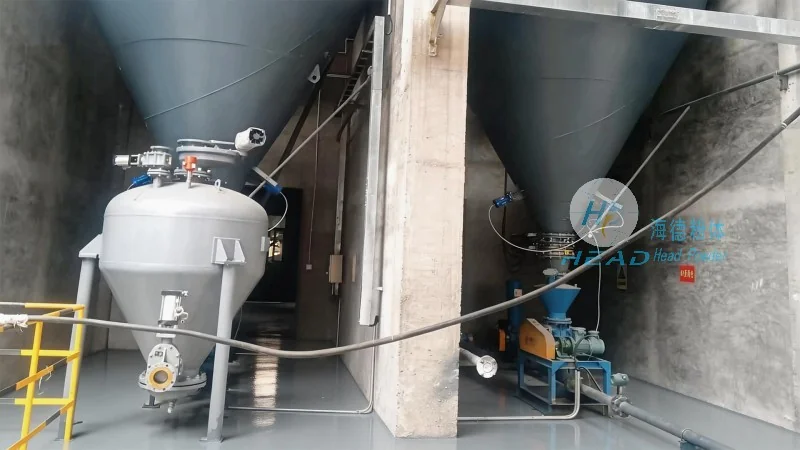
Bauxite Pneumatic Conveying: An Overview of Negative Pressure Systems
Negative pressure (or vacuum) pneumatic conveying systems are widely used in the bauxite industry due to their ability to handle fine powders and granular materials efficiently. These systems operate by creating a vacuum at the material inlet, drawing the bauxite into the conveying line. The primary components of a negative pressure system include a vacuum pump, a material feed hopper, a conveying pipe, and a dust collector. The vacuum pump generates the necessary suction force, while the material feed hopper ensures a consistent flow of bauxite into the system. The conveying pipe transports the material from the feed point to the discharge point, and the dust collector captures any fine particles that may escape during the process, ensuring environmental compliance and material integrity.
The advantages of negative pressure systems in bauxite handling include their ability to handle materials with high moisture content and fine particle sizes, as the vacuum helps to prevent material degradation and caking. Additionally, these systems are relatively simple to install and maintain, making them a cost-effective solution for many bauxite processing facilities. However, they have limitations, such as the need for a sealed system to prevent air leakage and the potential for material buildup in the conveying line if not properly maintained.
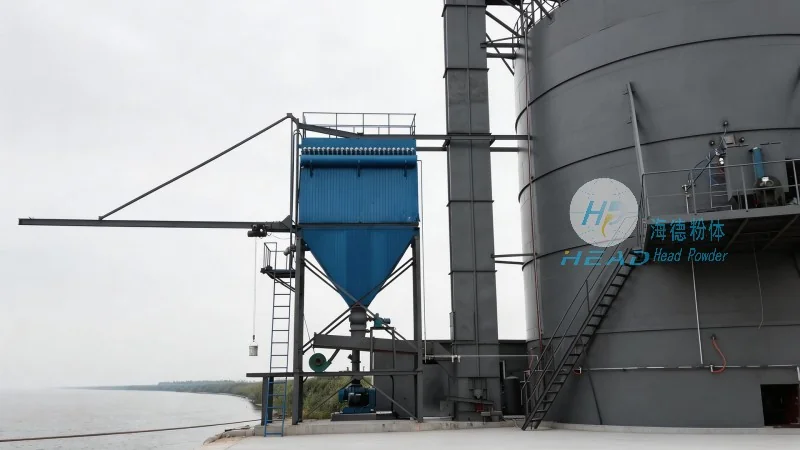
Positive Pressure Pneumatic Conveying Systems for Bauxite
Positive pressure (or pressure) pneumatic conveying systems operate by forcing air or gas through the material, creating a pressure differential that moves the bauxite along the conveying line. Unlike negative pressure systems, positive pressure systems do not rely on suction but rather on the pressure of the air or gas to transport the material. The key components of a positive pressure system include a blower, a material feed hopper, a conveying pipe, and a discharge valve. The blower provides the necessary pressure to push the material through the system, while the material feed hopper ensures a consistent feed rate. The conveying pipe transports the material from the feed point to the discharge point, and the discharge valve controls the release of the material at the destination.
Positive pressure systems are particularly effective for handling bauxite with high bulk density and coarse particle sizes, as the pressure helps to maintain the material's flowability and prevent blockages. These systems are also suitable for long-distance conveying, as the pressure can be maintained over greater distances without significant loss. However, positive pressure systems require more robust components, such as high-pressure blowers and reinforced conveying pipes, which can increase the initial investment cost. Additionally, they may generate more noise and require more energy compared to negative pressure systems.
Comparative Analysis: Negative vs. Positive Pressure Systems in Bauxite Conveying
When selecting a pneumatic conveying system for bauxite transportation, it is essential to consider the specific characteristics of the material and the operational requirements of the facility. A comparative analysis of negative and positive pressure systems reveals that each has its own strengths and limitations. Negative pressure systems are generally more suitable for handling fine powders and materials with high moisture content, as the vacuum helps to maintain material quality. Positive pressure systems, on the other hand, are better suited for handling coarse materials and for long-distance conveying, as the pressure helps to maintain flowability and prevent blockages.
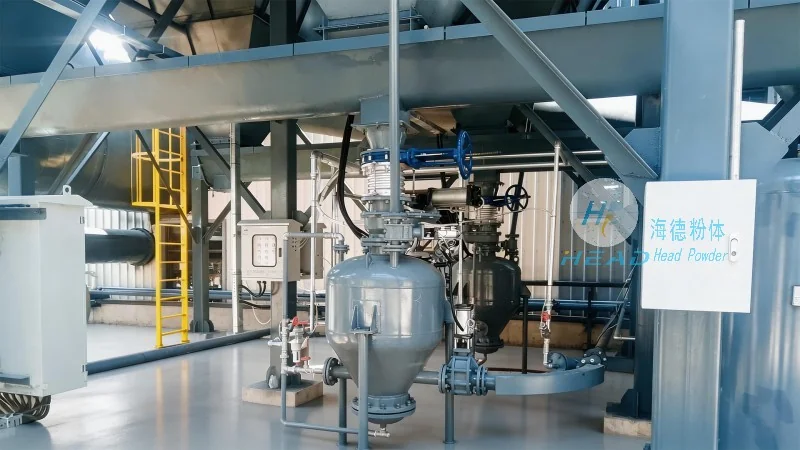
The choice between the two systems also depends on factors such as the distance between the feed and discharge points, the material's bulk density, and the required flow rate. For short-distance conveying of fine bauxite, a negative pressure system may be more cost-effective. For long-distance conveying of coarse bauxite, a positive pressure system may be more efficient. Additionally, the environmental regulations and safety requirements of the facility must be considered, as both systems must comply with local and national standards for dust control and material handling.
Application Examples: Real-World Implementations by HeadPowder
HeadPowder has extensive experience in designing and implementing bauxite pneumatic conveying systems for various industrial applications. For example, a client in Shandong required a negative pressure system to transport fine bauxite from a storage silo to a processing plant. The system was designed to handle a flow rate of 10 tons per hour and a distance of 50 meters. The negative pressure system was equipped with a high-efficiency dust collector to ensure compliance with local air quality regulations. The system has been in operation for over two years, with minimal maintenance and consistent material flow.
Another client, a bauxite mining company, required a positive pressure system to transport coarse bauxite from a mine to a processing facility located 2 kilometers away. The system was designed to handle a flow rate of 20 tons per hour and a bulk density of 1.5 tons per cubic meter. The positive pressure system was equipped with a high-pressure blower and reinforced conveying pipes to ensure reliable operation over the long distance. The system has been in operation for three years, with no major failures and consistent material delivery.
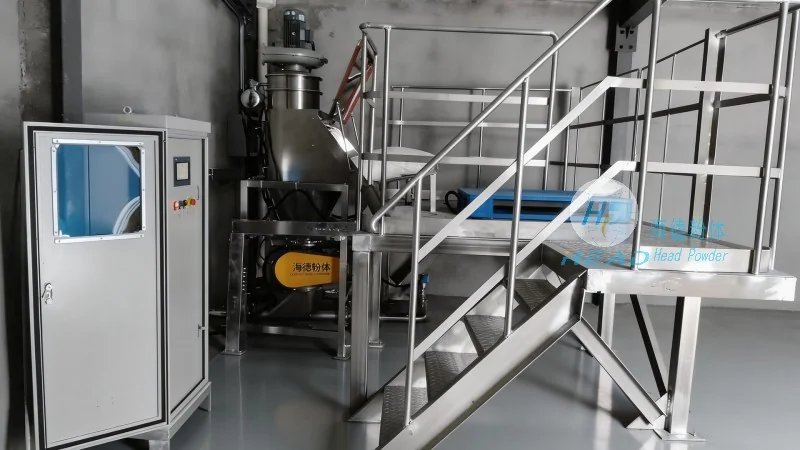
Key Considerations for Selecting the Right Pneumatic Conveying System
When selecting a pneumatic conveying system for bauxite, several factors must be considered to ensure optimal performance and cost-effectiveness. First, the material characteristics, such as particle size, moisture content, and bulk density, must be evaluated to determine the most suitable system type. Second, the distance between the feed and discharge points must be considered, as this will affect the choice between negative and positive pressure systems. Third, the required flow rate and operational efficiency must be taken into account, as these will impact the system's capacity and energy consumption. Fourth, the environmental and safety regulations of the facility must be considered, as both systems must comply with local and national standards for dust control and material handling.
HeadPowder provides comprehensive engineering services to help clients select the right pneumatic conveying system for their bauxite handling needs. Our team of experts works closely with clients to assess their specific requirements and design a system that meets their operational and financial goals. We also provide maintenance and support services to ensure the long-term reliability and efficiency of the system.




