

Petroleum Coke Powder Pneumatic Conveying Technology: In-Depth Analysis of Vacuum and Positive Press
HeadPowder, a professional provider of pneumatic conveying systems, specializes in the efficient transportation of petroleum coke powder. This article provides a comprehensive exploration of vacuum and positive pressure pneumatic conveying technologies, detailing their principles, applications, and practical considerations for industrial use.
About HeadPowder: Leading Pneumatic Conveying Solutions
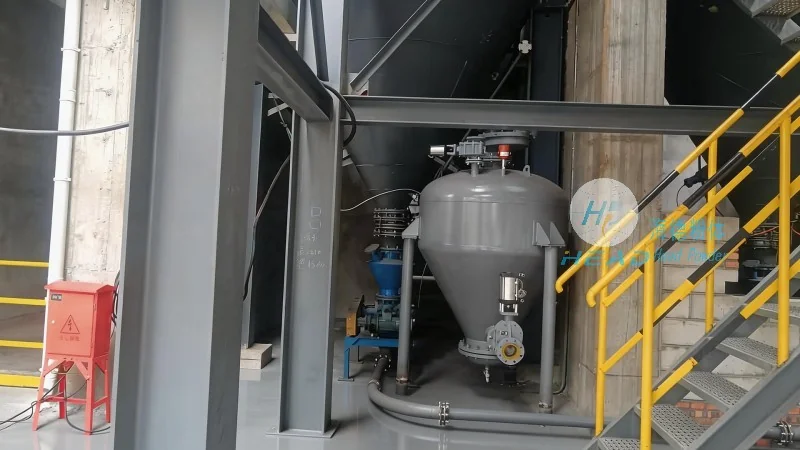
Shandong HeadPowder Engineering Co., Ltd., commonly known as HeadPowder, is headquartered in Shandong, China. As a reputable manufacturer and supplier in the field of pneumatic conveying equipment, the company focuses on delivering reliable and efficient solutions for powder handling, particularly in the petroleum coke industry. With years of experience and technical expertise, HeadPowder has established itself as a trusted partner for businesses seeking advanced material transport systems.
Pneumatic Conveying Fundamentals: Understanding the Basics
Pneumatic conveying is a method of transporting bulk materials, such as petroleum coke powder, using air or gas as the conveying medium. This technology offers advantages over traditional mechanical conveying, including reduced equipment wear, lower maintenance costs, and the ability to handle materials in a dust-free environment. The two primary types of pneumatic conveying systems are vacuum (or suction) and positive pressure (or pressure) systems, each with distinct characteristics and applications.
Vacuum Pneumatic Conveying: Principles and Applications
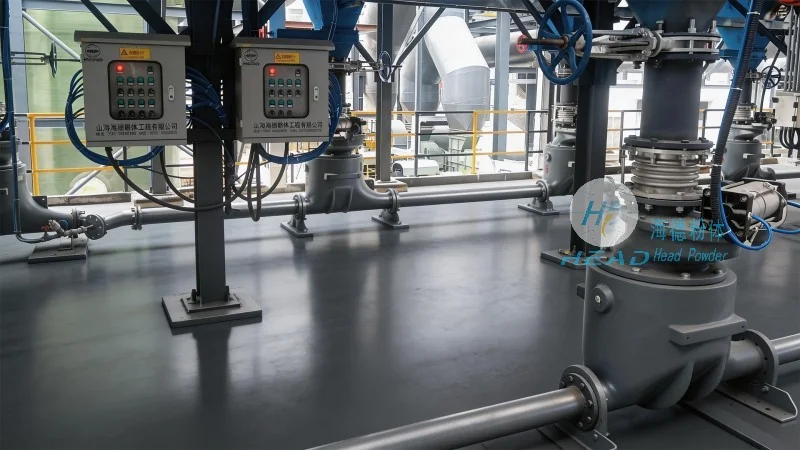
Vacuum pneumatic conveying operates by creating a negative pressure (suction) at the material inlet, drawing the powder into the system. The system then transports the material through a pipeline to the discharge point. This method is particularly suitable for applications where the material needs to be conveyed over relatively short distances or where the material is sensitive to pressure changes. Vacuum systems are often used in industries where dust control is critical, as the suction action helps to maintain a clean environment. The key components of a vacuum conveying system include a vacuum pump, a material hopper, a filter, and a discharge valve. The vacuum pump generates the necessary suction force, while the filter ensures that the conveyed material is free from contaminants. The system's design must consider factors such as the material's flowability, moisture content, and particle size to ensure efficient operation.
Positive Pressure Pneumatic Conveying: Principles and Applications
Positive pressure pneumatic conveying, on the other hand, operates by pressurizing the material hopper and pipeline with air or gas, forcing the powder to move through the system. This method is ideal for longer conveying distances and for materials that are more difficult to handle, such as those with high moisture content or abrasive properties. Positive pressure systems are commonly used in applications where the material needs to be transported over several hundred meters or more. The system typically includes a blower, a material hopper, a filter, and a discharge valve. The blower provides the necessary pressure to move the material, and the filter ensures that the conveyed material is clean. The design of a positive pressure system must account for factors such as the material's density, flowability, and the pressure drop along the pipeline to maintain optimal performance.
Comparative Analysis: Vacuum vs. Positive Pressure Conveying
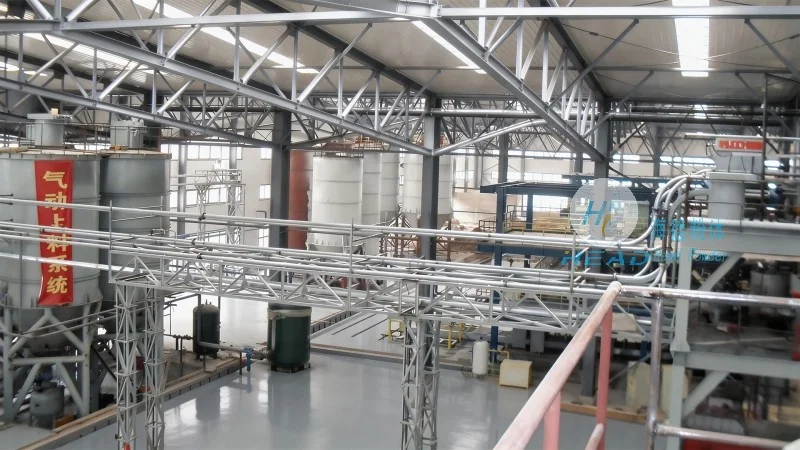
When selecting between vacuum and positive pressure pneumatic conveying for petroleum coke powder, several factors must be considered. The primary considerations include the conveying distance, the material's properties, and the desired level of dust control. For short-distance applications or where dust control is a priority, vacuum systems are often preferred. Conversely, for longer distances or when handling more challenging materials, positive pressure systems may be more suitable. Additionally, the cost of equipment and maintenance should be evaluated, as vacuum systems may require more frequent filter changes due to the higher volume of air drawn in, while positive pressure systems may have higher energy consumption due to the need to maintain pressure.
Application Examples in the Petroleum Industry
Pneumatic conveying technologies are widely used in the petroleum industry for the transport of petroleum coke powder from storage facilities to processing plants. In these applications, the choice between vacuum and positive pressure systems depends on the specific requirements of the plant. For example, a plant with multiple storage silos and a processing unit located within a short distance might use vacuum systems to transfer the powder from each silo to the processing line. In contrast, a plant with a processing unit located several hundred meters away from the storage area might opt for a positive pressure system to ensure efficient and reliable transport. The effectiveness of the system is also influenced by the material's characteristics, such as its moisture content and particle size. For petroleum coke powder, which is typically a fine, abrasive material, the choice of system must ensure that the material is conveyed without causing excessive wear to the equipment.
Key Considerations for Successful Implementation
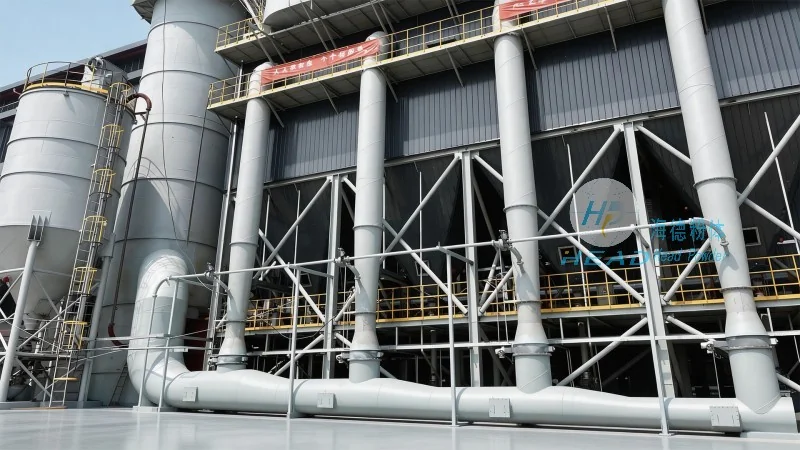
Implementing a pneumatic conveying system for petroleum coke powder requires careful consideration of several factors to ensure optimal performance and longevity. First, the material's properties, including its flowability, moisture content, and particle size distribution, must be thoroughly analyzed. This analysis helps in selecting the appropriate system type and determining the necessary equipment specifications. Second, the conveying distance and layout of the plant must be considered to ensure that the system can handle the required material flow rates without excessive pressure drop or energy consumption. Third, the environmental and safety considerations, such as dust control and explosion prevention, must be addressed to comply with industry regulations and maintain a safe working environment. Finally, regular maintenance and monitoring of the system are essential to prevent downtime and ensure consistent performance.
Conclusion: Choosing the Right Pneumatic Conveying Solution
In conclusion, both vacuum and positive pressure pneumatic conveying technologies offer effective solutions for the transportation of petroleum coke powder. The choice between the two depends on the specific application requirements, including conveying distance, material properties, and operational considerations. By understanding the principles and applications of each system, businesses can select the most suitable solution to meet their needs. HeadPowder, with its expertise in pneumatic conveying systems, provides tailored solutions that address the unique challenges of petroleum coke powder handling, ensuring efficient and reliable material transport for industrial applications.