

The Role of Pneumatic Conveying in Silicate Material Transport
For industries dealing with silicate materials, efficient and reliable material handling is crucial for maintaining production efficiency and ensuring product quality. Among the various methods available, pneumatic conveying stands out as a sophisticated solution that addresses the unique challenges associated with transporting silicate powders and granules. This article explores the pivotal role of pneumatic conveying in the transport of silicate materials, highlighting its technical advantages, operational benefits, and practical applications.
Understanding Silicate Materials and Their Transport Challenges
Silicate materials, which include compounds like silica, clay, and various ceramic powders, are widely used in industries such as ceramics, glass manufacturing, and construction. These materials are often fine-grained, abrasive, and can be sensitive to moisture or contamination. Traditional bulk material handling methods, such as belt conveyors or screw conveyors, may struggle with these characteristics, leading to issues like material degradation, equipment wear, and operational inefficiencies. Pneumatic conveying offers a more flexible and controlled approach to handling silicate materials, addressing these challenges effectively.
Pneumatic Conveying Technology: How It Works
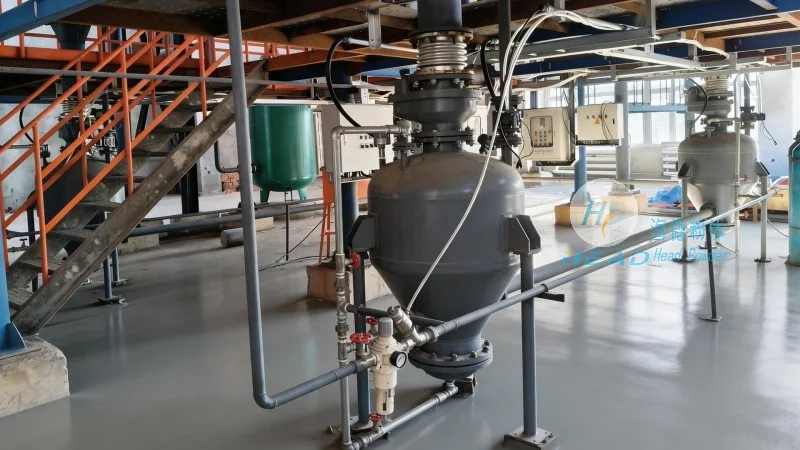
Pneumatic conveying systems utilize air or gas to transport bulk materials through a pipeline network. The process typically involves a hopper or feeder that feeds the material into a duct, where it is entrained by a moving air stream. The air flow carries the material particles through the pipeline to the destination point, such as a storage silo or processing unit. There are two primary types of pneumatic conveying systems: dilute-phase and dense-phase. Dilute-phase systems use higher air velocities to transport materials in a dispersed state, suitable for low to medium capacity applications. Dense-phase systems, on the other hand, use lower air velocities and higher material concentrations, ideal for high-capacity and long-distance transport, minimizing material degradation and ensuring consistent flow rates.
Key Advantages of Pneumatic Conveying for Silicate Materials
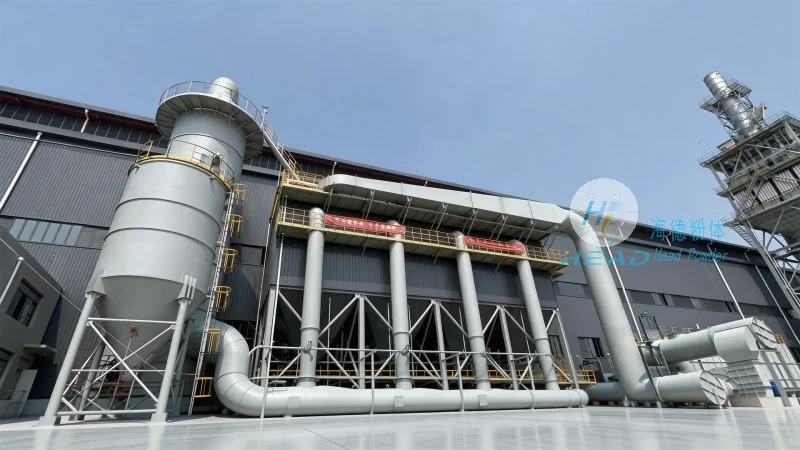
When applied to silicate material transport, pneumatic conveying offers several distinct advantages over conventional methods. Firstly, it provides a closed system, which helps prevent dust emissions and contamination, a critical factor for maintaining product purity and environmental compliance. Secondly, the system can handle fine and abrasive materials without causing excessive wear on equipment, as the material is conveyed in a fluidized state rather than in direct contact with the pipeline surfaces. Thirdly, pneumatic conveying allows for precise control over material flow rates and pressure, enabling seamless integration with downstream processes like mixing, drying, or packaging. Additionally, the technology is adaptable to various distances and layouts, making it suitable for both small-scale and large-scale industrial applications.
Applications in the Silicate Industry
The versatility of pneumatic conveying makes it applicable across multiple stages of silicate material processing. In the ceramic industry, for example, pneumatic systems are used to transport raw clay and feldspar from storage silos to production lines, ensuring a consistent feed rate for kilns and extruders. In glass manufacturing, the technology is employed to convey sand and other raw materials to the melting furnaces, where precise control over material composition is essential for glass quality. Construction material producers also benefit from pneumatic conveying for transporting cement, silica sand, and other aggregates to batching plants and storage facilities. The ability to handle abrasive and fine materials without degradation makes this technology indispensable in these sectors.
Operational Considerations and Best Practices
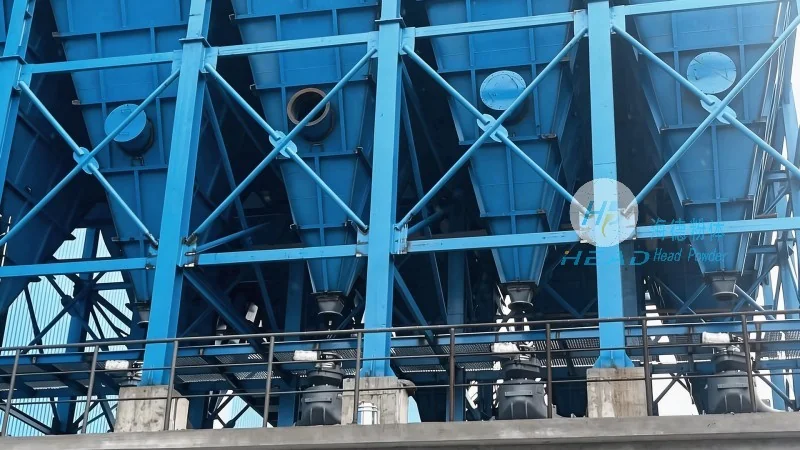
While pneumatic conveying offers significant benefits, successful implementation requires careful consideration of several operational factors. Proper system design, including the selection of appropriate air velocities, pipeline diameter, and material feed rate, is essential to prevent blockages and ensure efficient transport. Regular maintenance of components such as air filters, valves, and ducts is also crucial to maintain system performance and longevity. Additionally, monitoring system parameters like pressure, flow rate, and temperature helps identify potential issues early, minimizing downtime and maintenance costs. Companies specializing in material handling solutions, such as Shandong HeadPowder Engineering Co., Ltd., provide expert consultation and customized system designs to ensure optimal performance for specific silicate material applications.
Conclusion
Pneumatic conveying has established itself as a vital technology in the transport of silicate materials, offering a reliable, efficient, and flexible solution to the challenges faced by industries dealing with these compounds. By leveraging advanced pneumatic systems, manufacturers can enhance production efficiency, maintain product quality, and reduce operational costs. As the demand for high-quality silicate materials continues to grow, the role of pneumatic conveying in their transport will remain increasingly important. With its proven effectiveness and adaptability, pneumatic conveying is set to remain a cornerstone of material handling in the silicate industry for years to come.