

Role of Pneumatic Conveying in Polycarbonate Material Handling
Polycarbonate is a high-performance engineering plastic widely used in various industries due to its excellent impact resistance, optical clarity, and thermal stability. The efficient and safe handling of polycarbonate materials is crucial for manufacturers to maintain production efficiency and product quality. Pneumatic conveying technology has emerged as a key solution for transporting polycarbonate powders and granules, offering advantages such as dust-free operation, low maintenance, and flexible system design.
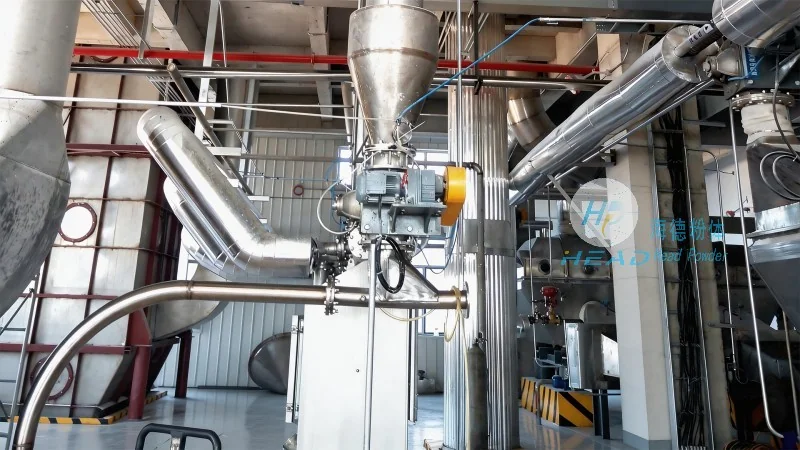
Understanding Pneumatic Conveying Systems
Pneumatic conveying systems utilize compressed air to transport bulk materials like polycarbonate through a network of pipes. These systems can be categorized into two main types: dilute-phase and dense-phase. Dilute-phase systems use high air velocities to suspend particles in the air stream, suitable for long-distance and high-capacity transport. Dense-phase systems, on the other hand, operate at lower air velocities, creating a slurry-like flow that minimizes material degradation and ensures gentle handling of sensitive materials like polycarbonate.
Key Benefits of Pneumatic Conveying for Polycarbonate
For polycarbonate processing, pneumatic conveying offers several critical benefits. Firstly, it eliminates the need for traditional bulk handling methods like bucket elevators or conveyor belts, which can cause material attrition and contamination. The dust-free operation of pneumatic systems ensures a cleaner working environment, reducing health risks and improving product purity. Additionally, these systems can be integrated seamlessly into existing production lines, providing flexibility in material movement and process control.
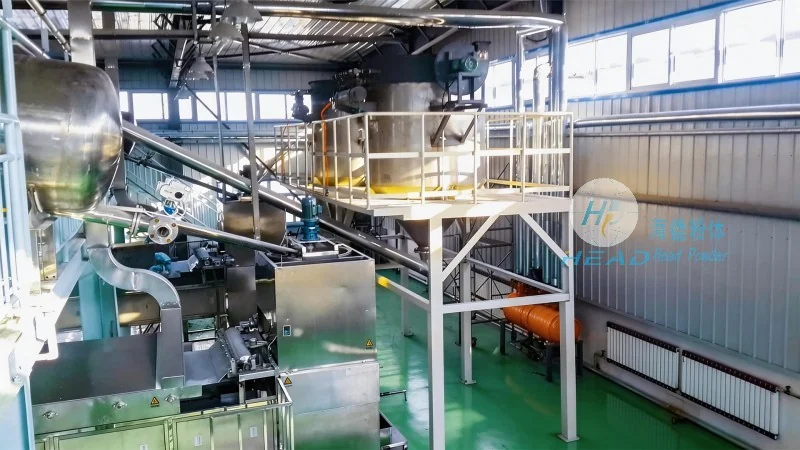
Application Examples in Polycarbonate Production
In the polycarbonate manufacturing process, pneumatic conveying is commonly used for transporting raw materials, such as polycarbonate resin, from storage silos to processing equipment. It is also employed in downstream operations, including feeding granules into extruders or injection molding machines. The ability to handle both powders and granules makes pneumatic systems versatile for different stages of production. For instance, in a typical polycarbonate production line, a dilute-phase system may be used to transport resin from a silo to a hopper, while a dense-phase system is used to feed granules into an extruder, ensuring consistent material flow and preventing clogging.
System Design Considerations for Polycarbonate Handling
When designing a pneumatic conveying system for polycarbonate, several factors must be considered to ensure optimal performance. Material properties, such as particle size, density, and moisture content, play a significant role in determining the appropriate system type and operating parameters. For polycarbonate, which is a relatively abrasive material, system components like pipes, valves, and cyclones must be constructed from materials resistant to wear and corrosion, such as stainless steel or specialized polymers. Additionally, the system must be equipped with proper filtration and dust collection to comply with environmental regulations and maintain air quality.
HeadPowder Engineering's Expertise in Pneumatic Conveying Solutions
Shandong HeadPowder Engineering Co., Ltd., a leading provider of material handling solutions, specializes in designing and manufacturing customized pneumatic conveying systems tailored to the unique needs of polycarbonate manufacturers. With years of experience in the industry, HeadPowder understands the challenges associated with handling polycarbonate, including its sensitivity to moisture and the need for gentle processing. The company's engineers work closely with clients to assess their specific requirements, from material characteristics to production capacity, and develop solutions that maximize efficiency and minimize downtime.
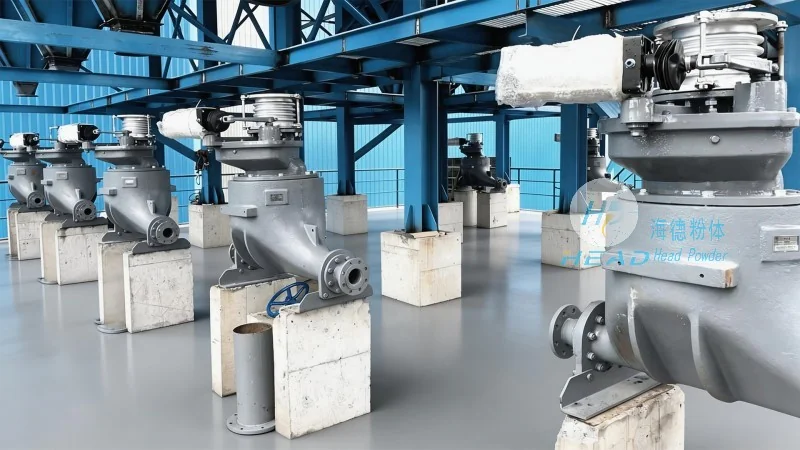
Customized Solutions for Diverse Polycarbonate Handling Needs
HeadPowder offers a range of pneumatic conveying solutions for polycarbonate applications, including both dilute-phase and dense-phase systems. For clients requiring high-capacity transport over long distances, the company provides large-scale dilute-phase systems equipped with advanced control systems to ensure stable operation. For applications where material degradation is a concern, dense-phase systems are recommended, as they use lower air velocities to maintain material integrity. Additionally, the company offers accessories such as silos, hoppers, and feeding equipment that can be integrated with the conveying system to create a complete material handling solution.
Ensuring Reliability and Longevity in Polycarbonate Conveying
Reliability is a top priority for polycarbonate manufacturers, as any downtime in the material handling process can lead to significant production losses. HeadPowder's pneumatic conveying systems are designed with durability and low maintenance in mind. The use of high-quality materials and robust construction ensures that the systems can withstand the demands of continuous operation. Regular maintenance and service programs are also available to keep the systems running smoothly and extend their service life. By investing in a well-designed pneumatic conveying system from HeadPowder, polycarbonate manufacturers can enhance their production efficiency, reduce operational costs, and maintain the high quality of their products.