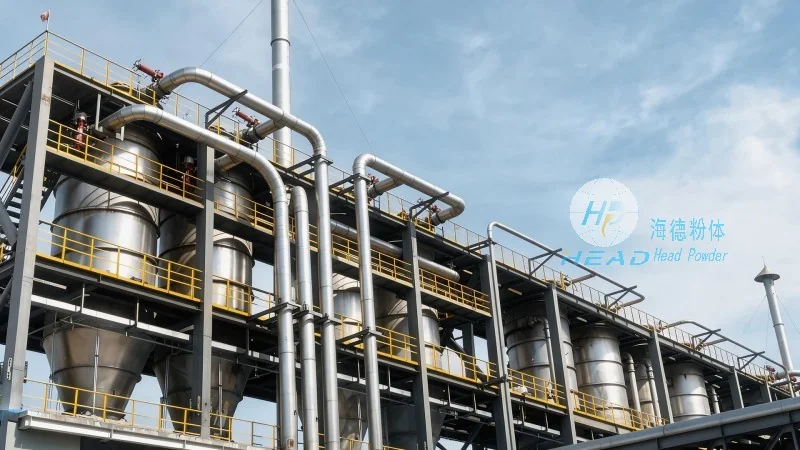
When it comes to the efficient handling and transportation of glutinous rice flour, selecting the right conveying method is crucial for maintaining product quality and operational efficiency. Various options are available, each with its own advantages and applications. This article explores the common methods used for glutinous rice flour conveying, providing insights into how these systems can enhance production processes.
Understanding the Importance of Proper Conveying Systems
Glutinous rice flour, with its unique properties such as high moisture content and fine particle size, requires specialized conveying equipment to prevent caking, segregation, and degradation. Traditional methods like manual handling or simple belt conveyors may not be sufficient for large-scale operations. Modern conveying systems are designed to address these challenges, ensuring that the flour remains in optimal condition from the mill to the storage or packaging stage.
Common Conveying Methods for Glutinous Rice Flour
Several methods are widely adopted in the industry for transporting glutinous rice flour. The choice of method depends on factors like production volume, distance, and the specific characteristics of the flour. Key methods include:
Screw Conveyors (Auger Conveyors)
Screw conveyors are among the most common and versatile systems for conveying glutinous rice flour. These devices use a rotating screw (auger) to move material along a U-shaped or straight tube. The screw's rotation creates a pushing action, allowing the flour to be transported vertically, horizontally, or at an incline. For glutinous rice flour, screw conveyors are particularly effective because they can handle fine powders without causing excessive friction or heat generation, which could affect the flour's quality. The design of the screw, including the pitch and material of the screw and housing, can be customized to suit the specific needs of the flour, ensuring minimal product degradation.
Air-Pressure Conveying Systems
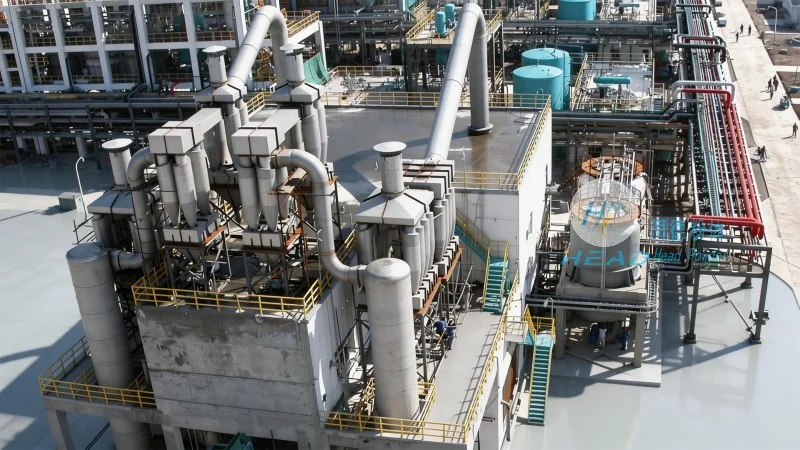
Air-pressure conveying, also known as pneumatic conveying, uses compressed air to transport glutinous rice flour through a pipeline. This method is ideal for applications where the flour needs to be moved over longer distances or through multiple stages of processing. There are two main types of pneumatic systems: pressure and vacuum. Pressure systems use high-pressure air to push the flour through the pipeline, while vacuum systems use a vacuum to draw the flour in. For glutinous rice flour, pressure systems are often preferred as they can handle higher volumes and are more efficient for vertical transport. The system typically includes a hopper, a rotary valve, and a filter to ensure that the flour is conveyed without contamination and that the air is properly filtered to prevent dust accumulation.
Bucket Elevators
Bucket elevators are another effective method for conveying glutinous rice flour, especially when vertical transport is required. These systems consist of a continuous belt or chain with attached buckets that move up and down inside a vertical casing. As the buckets ascend, they pick up the flour from a hopper and discharge it at the top. Bucket elevators are capable of handling large volumes of material and can be designed to operate at high speeds, making them suitable for high-throughput production lines. They are particularly useful for moving glutinous rice flour from the ground floor to upper storage silos or processing areas. The design of the buckets and the speed of the conveyor can be adjusted to minimize product impact and prevent segregation, ensuring that the flour remains uniform throughout the conveying process.
Factors to Consider When Choosing a Conveying System
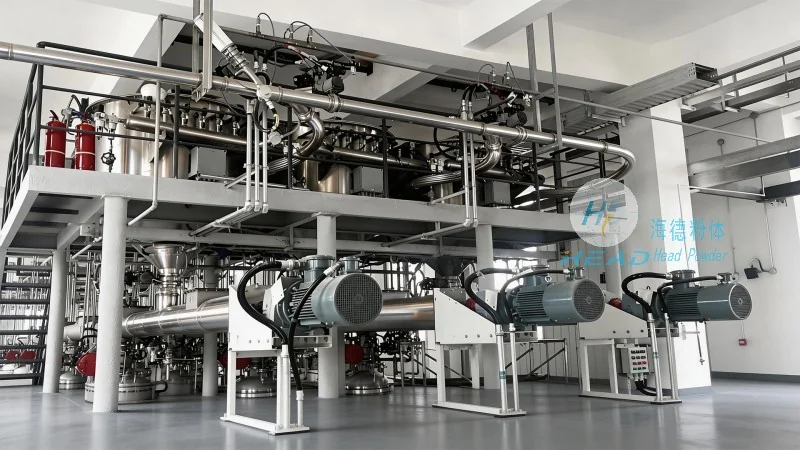
When selecting a conveying system for glutinous rice flour, several factors must be taken into account to ensure optimal performance and cost-effectiveness. These factors include:
Material Properties
The physical and chemical properties of glutinous rice flour, such as moisture content, particle size, and flowability, significantly impact the choice of conveying method. For example, flour with high moisture content may require systems that minimize heat exposure, as excessive heat can cause caking or spoilage. Similarly, fine powders may need equipment with smooth surfaces and minimal friction to prevent agglomeration. Understanding these properties helps in selecting the most appropriate conveying system that maintains the flour's quality.
Production Volume and Distance
The scale of the operation, including the volume of flour to be conveyed and the distance between the source and destination, influences the type of system to use. For small-scale operations with short distances, simple belt conveyors or manual handling may suffice. However, for large-scale production with long distances, more advanced systems like screw or pneumatic conveyors are more efficient. The capacity of the conveying system must match the production rate to avoid bottlenecks and ensure smooth operation.
Space and Layout Constraints
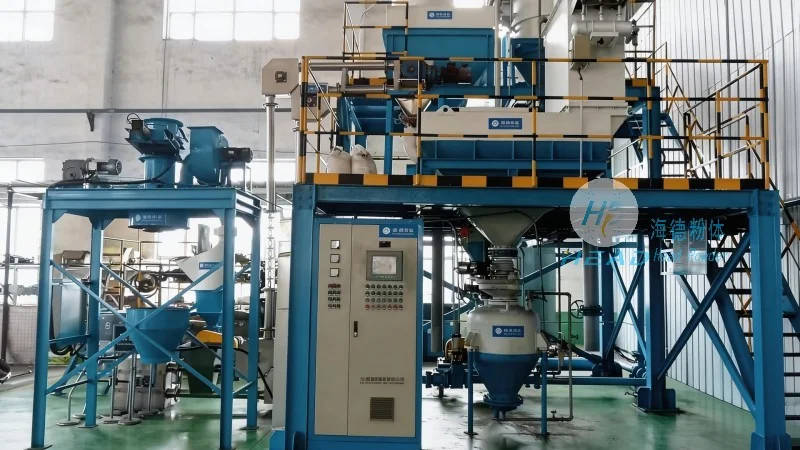
The available space and the layout of the facility also play a role in the selection of the conveying system. Vertical or inclined conveyors may be necessary in facilities with limited horizontal space. The integration of the conveying system with existing equipment and infrastructure must be considered to ensure compatibility and ease of installation. Proper planning of the system's layout can help optimize the workflow and reduce the need for additional space or modifications.
Conclusion
Choosing the right conveying method for glutinous rice flour is essential for maintaining product quality and improving operational efficiency. Whether using screw conveyors, air-pressure systems, or bucket elevators, each method offers unique benefits that can be tailored to the specific needs of the production process. By considering factors such as material properties, production volume, and space constraints, manufacturers can select the most suitable conveying system that enhances their overall production capabilities. With the right equipment and system design, the transportation of glutinous rice flour can be carried out effectively, ensuring that the final product meets the highest standards of quality and consistency.




