Coconut shell powder is a widely used material in various industrial applications, ranging from filtration media to animal feed additives. The efficient and reliable transport of this fine powder is crucial for maintaining production efficiency and product quality. Pneumatic conveying systems have emerged as a preferred method for handling such powders, offering advantages over traditional mechanical conveying methods. This article provides an overview of coconut shell powder pneumatic conveying, focusing on the working principles of powder handling systems.
Introduction to Pneumatic Conveying Systems
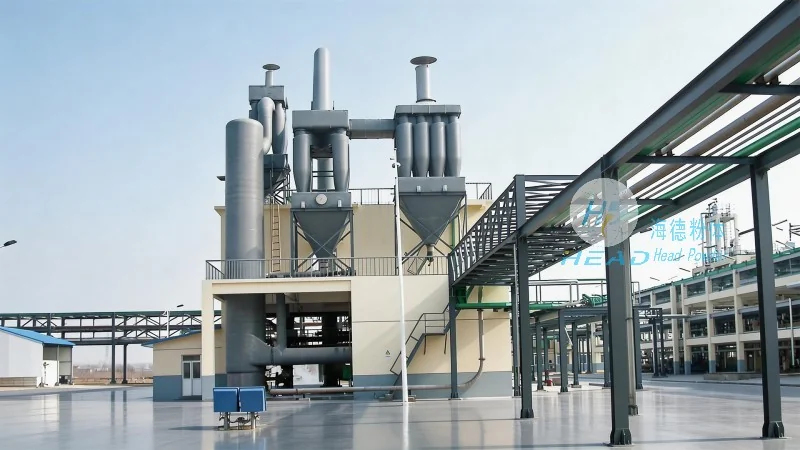
Pneumatic conveying, also known as air conveying, is a technology that uses compressed air or vacuum to transport bulk materials, such as powders and granules, through a pipeline. The system typically consists of a source of air (either a vacuum pump for suction or a compressor for pressure), a feeder to introduce the material into the system, a pipeline network, and a receiver to collect the material at the destination. This method eliminates the need for mechanical components like belts, chains, or buckets, reducing maintenance costs and minimizing product contamination.
Shandong HeadPowder Engineering Co., Ltd. and Its Expertise
Shandong HeadPowder Engineering Co., Ltd., a leading manufacturer based in Shandong, China, specializes in the design, development, and implementation of advanced powder handling solutions. With years of experience in the industry, the company has developed a comprehensive range of pneumatic conveying systems tailored to the unique characteristics of materials like coconut shell powder. The company's engineering team leverages cutting-edge technology and rigorous testing to ensure that each system meets the specific requirements of clients, whether for small-scale laboratory use or large-scale industrial production.
Characteristics of Coconut Shell Powder and Their Impact on Conveying
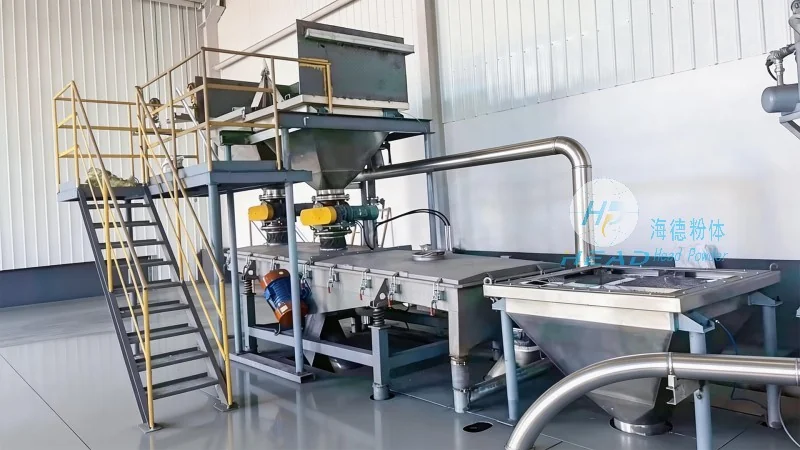
Coconut shell powder is characterized by its fine particle size, typically ranging from 0.1 to 2 millimeters, and relatively low bulk density. The material may also have varying moisture content and can be prone to agglomeration, which can affect its flowability and handling properties. These characteristics make the selection of an appropriate pneumatic conveying system critical. For instance, powders with high moisture content may require additional drying steps before transport, while those prone to clumping may need specialized feeders to ensure consistent material introduction.
Working Principle of Pneumatic Conveying Systems
There are two primary types of pneumatic conveying systems: suction (or vacuum) systems and pressure (or positive pressure) systems. The choice between the two depends on the distance, material properties, and system layout. Suction systems use a vacuum pump to draw material from the source and transport it to the receiver, while pressure systems use a compressor to push material through the pipeline.
1. Suction Pneumatic Conveying System
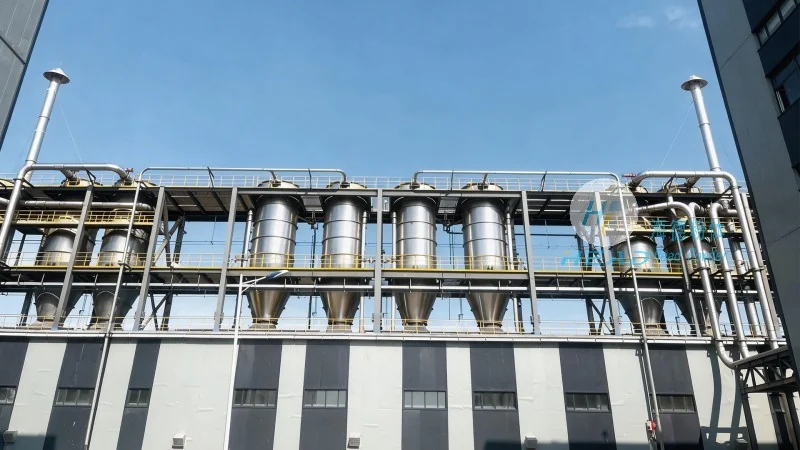
A suction system operates by creating a negative pressure at the feeder, which draws the material into the pipeline. The system typically includes a vacuum pump, a feeder (such as a rotary valve or a star feeder), a pipeline network, and a cyclone separator or a bag filter at the receiver to separate the material from the air. The air, now mixed with the powder, is drawn through the feeder and into the pipeline. As the mixture travels through the pipeline, the air velocity is maintained at a level sufficient to keep the powder suspended. At the receiver, the air is separated from the powder, and the powder is collected in a hopper or storage bin. The air, now clean, is either discharged to the atmosphere or recirculated through the system.
2. Pressure Pneumatic Conveying System
A pressure system operates by compressing air and forcing it through the pipeline, carrying the material from the source to the receiver. The system includes a compressor, a feeder, a pipeline network, and a receiver with a pressure relief valve or a venturi to separate the material from the air. The compressor provides the necessary pressure to move the material through the pipeline. The feeder introduces the material into the pipeline at a controlled rate, ensuring a consistent flow. The pipeline is designed to maintain the air velocity required to keep the powder suspended. At the receiver, the material is discharged into a hopper or storage bin, and the air is vented to the atmosphere or recirculated.
Key Components of a Pneumatic Conveying System
Several components are essential for the proper operation of a pneumatic conveying system. The feeder is responsible for introducing the material into the system at a controlled rate. Common types include rotary valves, star feeders, and screw feeders, each designed to handle different material characteristics. The pipeline network is typically made of stainless steel or plastic, chosen based on the material's corrosiveness and the system's pressure requirements. The receiver, or hopper, is used to collect the conveyed material and may include a discharge valve or a level sensor to monitor the material level. Separators, such as cyclone separators or bag filters, are used to separate the material from the air, ensuring that the material is collected efficiently and the air is clean.
Advantages of Pneumatic Conveying for Coconut Shell Powder
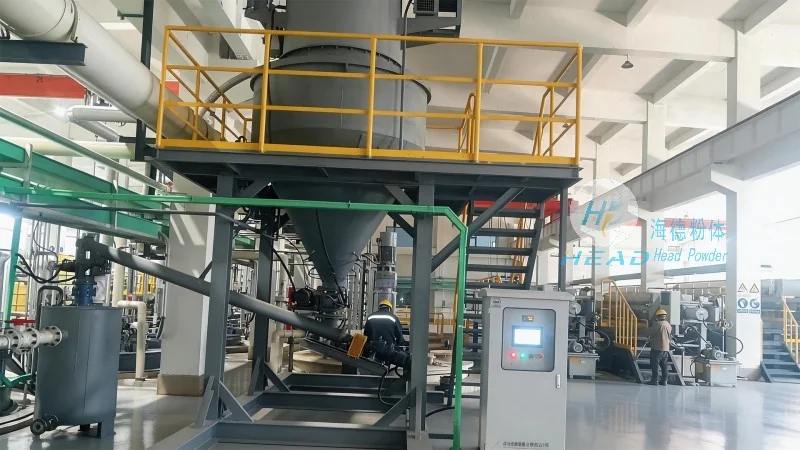
Pneumatic conveying offers several advantages when handling coconut shell powder. First, it eliminates the need for mechanical components, reducing maintenance costs and minimizing the risk of product contamination. Second, the system can handle materials with varying flow properties, including those prone to agglomeration. Third, the system is flexible and can be easily integrated into existing production lines. Fourth, it provides a clean and dust-free environment, which is particularly important for food-grade or pharmaceutical applications. Finally, the system can transport materials over long distances with minimal loss, ensuring consistent product quality.
Conclusion
Pneumatic conveying is an effective and efficient method for transporting coconut shell powder, offering numerous advantages over traditional mechanical conveying systems. The working principles of these systems, including suction and pressure modes, are based on the physics of gas-solid flow, and the selection of appropriate components is critical to system performance. Shandong HeadPowder Engineering Co., Ltd. provides comprehensive solutions for pneumatic conveying systems, leveraging its expertise to design systems that meet the specific needs of clients. By understanding the characteristics of coconut shell powder and the principles of pneumatic conveying, industries can optimize their material handling processes and improve overall production efficiency.




