

Fracturing Sand Pneumatic Conveying Overview: Principles of Pneumatic Conveying Systems
Fracturing sand pneumatic conveying is a critical technology in the oil and gas industry, particularly for hydraulic fracturing operations. This method involves transporting fine particles like proppant (fracturing sand) using a stream of air or gas. The process is efficient, flexible, and essential for delivering large volumes of sand to well sites with precision and reliability.
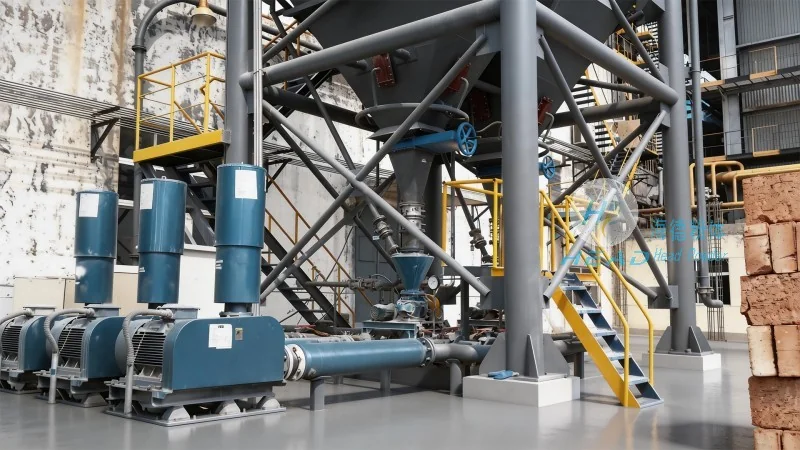
Understanding Pneumatic Conveying Systems
Pneumatic conveying systems utilize air or gas as the medium to transport bulk materials. These systems are categorized into two main types: dilute-phase and dense-phase. Dilute-phase systems use high-velocity air to suspend particles, suitable for long-distance and high-capacity transport. Dense-phase systems, on the other hand, use lower air velocities to transport particles in a more concentrated state, which is ideal for delicate or sensitive materials. The choice between these systems depends on the material characteristics, distance, and required flow rate.
HeadPowder's Expertise in Fracturing Sand Pneumatic Conveying
Shandong HeadPowder Engineering Co., Ltd., commonly known as HeadPowder, specializes in the design, manufacturing, and implementation of advanced pneumatic conveying solutions for the fracturing sand industry. With a focus on innovation and reliability, HeadPowder has become a trusted partner for oil and gas operators seeking efficient and cost-effective sand delivery systems. The company's expertise lies in customizing systems to meet specific operational requirements, ensuring optimal performance under various field conditions.
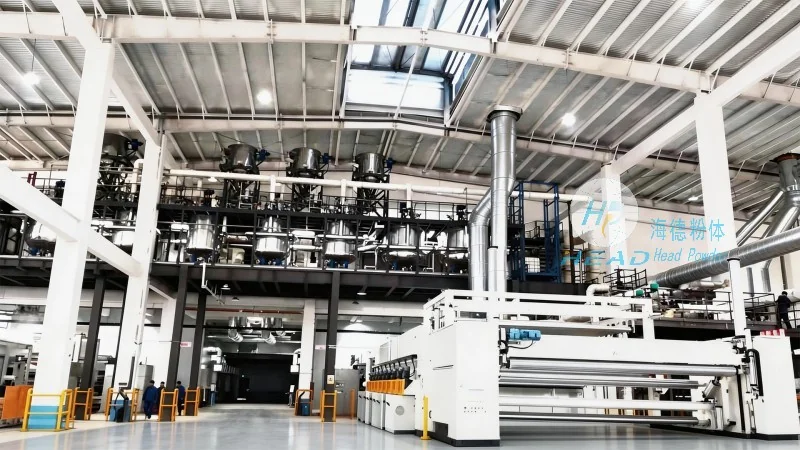
Key Components of a Pneumatic Conveying System
A typical pneumatic conveying system consists of several key components that work in tandem to achieve efficient material transport. These include the hopper or feeder, which holds the material; the air compressor or blower, which generates the air flow; the pipeline system, which transports the material and air; and the receiver or silo, where the material is deposited. Each component plays a crucial role in maintaining the system's efficiency and ensuring smooth operation. For fracturing sand applications, the system must be designed to handle fine, abrasive particles without causing excessive wear or blockages.
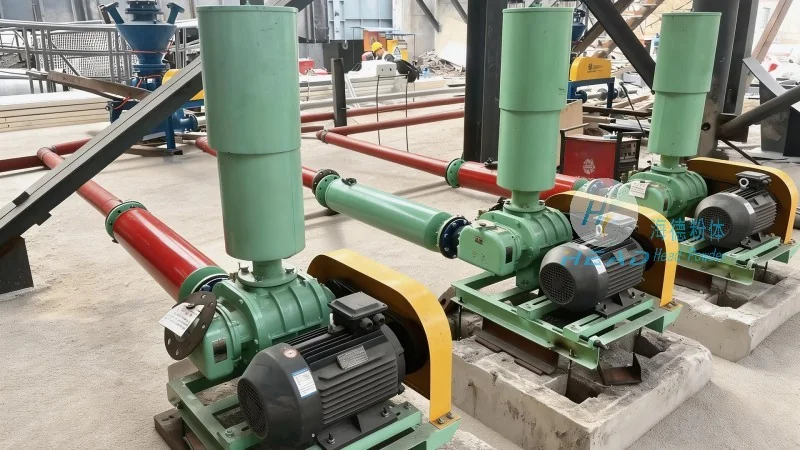
Advantages of Pneumatic Conveying for Fracturing Sand
Compared to traditional methods like truck or belt conveyors, pneumatic conveying offers several advantages for transporting fracturing sand. One of the primary benefits is the ability to transport materials over long distances without the need for multiple transfer points, reducing operational costs and time. Additionally, pneumatic systems are more flexible, allowing for changes in material flow rates and routes as needed. They also minimize material handling and exposure to the environment, which is crucial for maintaining the quality of proppant. Furthermore, these systems can be integrated with other equipment, such as mixing and blending units, to create a comprehensive sand delivery solution.
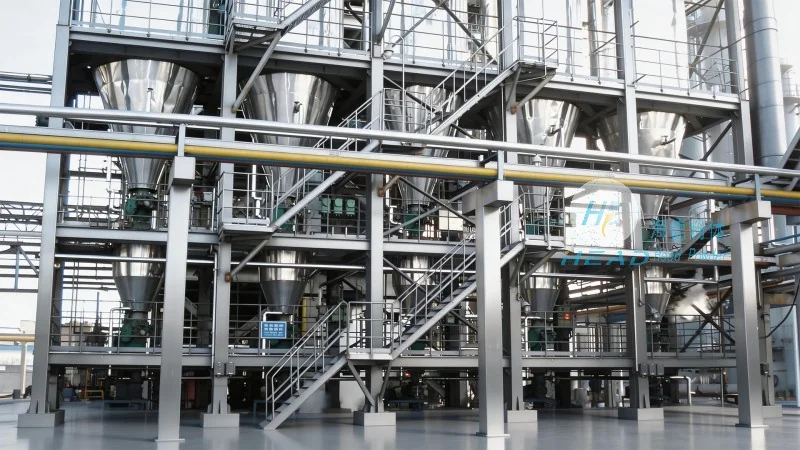
Applications and Operational Considerations
Fracturing sand pneumatic conveying is widely used in onshore and offshore oil and gas operations. The systems are designed to handle large volumes of sand, often ranging from hundreds to thousands of tons per day, depending on the well's requirements. Operational considerations include maintaining proper air pressure and flow rates to prevent material degradation or system blockages. Regular maintenance of components like air compressors and pipelines is essential to ensure consistent performance. HeadPowder's systems are engineered with durability and ease of maintenance in mind, reducing downtime and operational costs for clients.
Customization and Integration with HeadPowder Solutions
HeadPowder understands that each oil and gas operation has unique needs, which is why they offer customized pneumatic conveying solutions. The company works closely with clients to assess their specific requirements, such as material type, distance, and flow rate, and designs a system that meets those needs. Integration with existing infrastructure is also a key consideration, as HeadPowder can adapt their systems to work with current equipment or facilities. This approach ensures that clients receive a solution that is not only efficient but also cost-effective and scalable. By partnering with HeadPowder, operators can enhance their sand delivery capabilities and improve overall operational efficiency.