

Introduction to Epoxy Resin Pneumatic Conveying and the Working Principle of Pneumatic Conveying Sys
For industrial applications involving the handling of epoxy resin, efficient material transport is crucial. Pneumatic conveying systems offer a reliable solution for moving these materials safely and effectively. This article provides an overview of epoxy resin pneumatic conveying, detailing the fundamental principles behind such systems and how they operate.
Pneumatic Conveying Systems: A Brief Overview
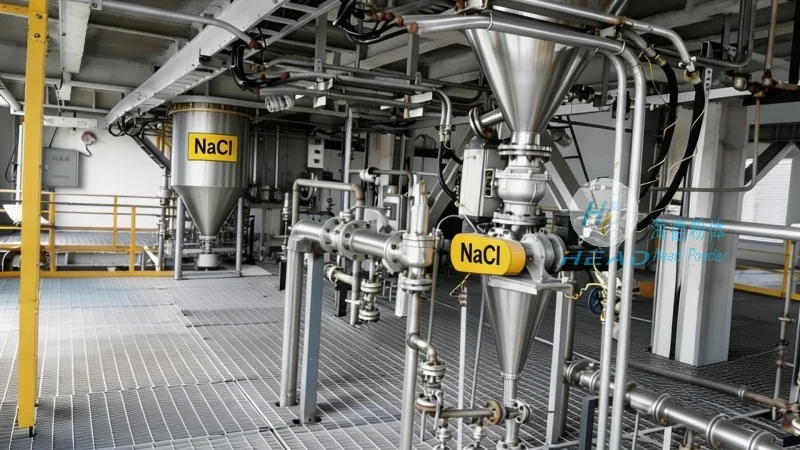
Pneumatic conveying is a method of transporting bulk materials through a pipeline using air or other gases as the conveying medium. Unlike mechanical systems that rely on belts, screws, or buckets, pneumatic systems utilize pressure differentials to move materials. This technology is particularly advantageous for handling fine powders like epoxy resin, which can be prone to dust generation and require controlled movement to prevent contamination or loss.
Components of a Pneumatic Conveying System
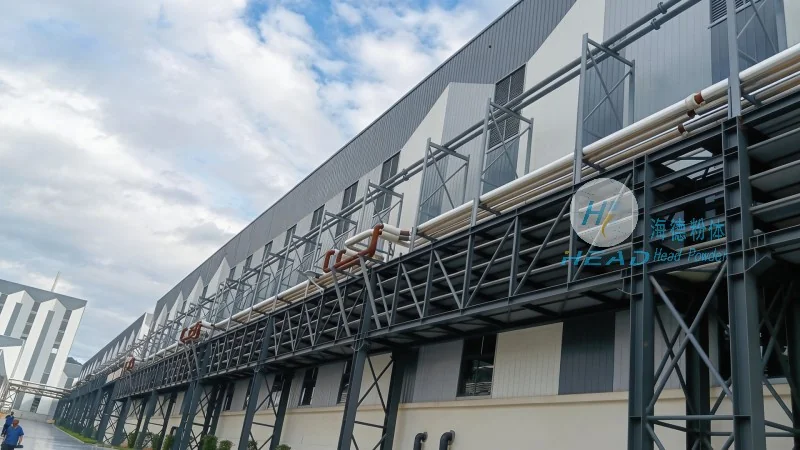
At its core, a pneumatic conveying system consists of several key components that work in tandem to achieve material transport. These components include a hopper or feeder to store and meter the material, a conveying line (typically made of stainless steel or other corrosion-resistant materials to accommodate epoxy resin), a blower or compressor to generate the air flow, and a receiver or discharge point where the material is deposited. Additionally, control valves, filters, and dust collection systems may be integrated to ensure smooth operation and maintain air quality.
How Epoxy Resin is Conveyed in Pneumatic Systems
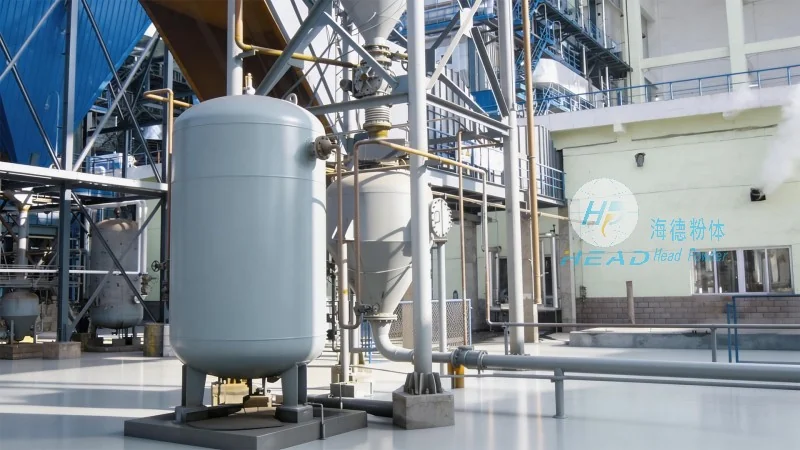
Epoxy resin, often in the form of fine powder or granules, is introduced into the system via a hopper. The material is then fed into the conveying line under controlled conditions. The blower creates a pressure differential, drawing the resin particles into the air stream. As the particles travel through the pipeline, they are suspended by the air flow, moving efficiently to the destination. The design of the system, including the size of the conveying line and the velocity of the air, is critical to prevent material degradation or blockages, especially for sensitive materials like epoxy resin.
Advantages of Pneumatic Conveying for Epoxy Resin
Implementing a pneumatic conveying system for epoxy resin offers several benefits. First, it minimizes the risk of product contamination, as the material is contained within a sealed system. Second, it reduces labor costs associated with manual handling of powders. Third, the system can handle varying material flow rates, adapting to production demands. Additionally, pneumatic systems are compact and can be integrated into existing industrial setups with minimal disruption.
Considerations for Designing Epoxy Resin Pneumatic Conveying Systems
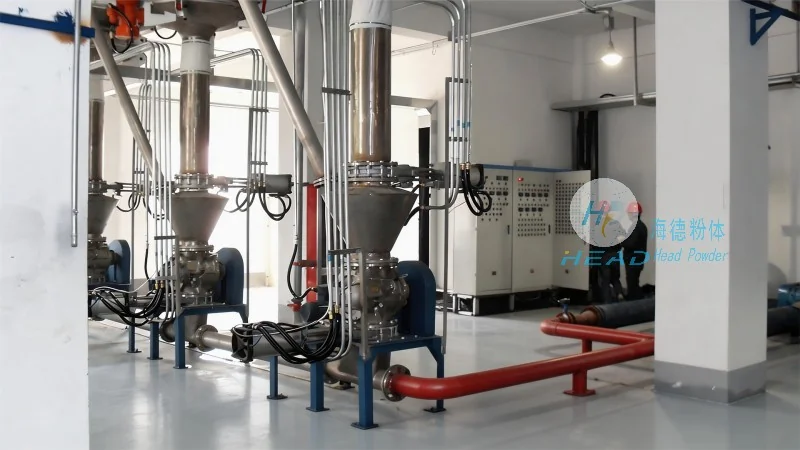
When designing a pneumatic conveying system for epoxy resin, several factors must be considered to ensure optimal performance. Material properties, such as particle size, density, and moisture content, influence the choice of conveying velocity and line diameter. The system must also be constructed from materials resistant to epoxy resin's chemical properties to prevent corrosion or degradation over time. Proper filtration and dust collection are essential to maintain air quality and comply with environmental regulations. Finally, the system's energy efficiency and maintenance requirements should be evaluated to ensure long-term operational costs are manageable.