

Paint Pneumatic Conveying Equipment: Structure and Principle of Powder Handling Systems
Paint pneumatic conveying equipment is essential for the efficient and safe transportation of powder materials, including paints and other fine powders. This technology utilizes air or gas to move bulk powders through a pipeline system, offering advantages such as reduced contamination, improved process control, and enhanced safety compared to traditional mechanical conveying methods. Understanding the structure and working principle of these systems is crucial for industries that rely on consistent and reliable powder handling solutions.
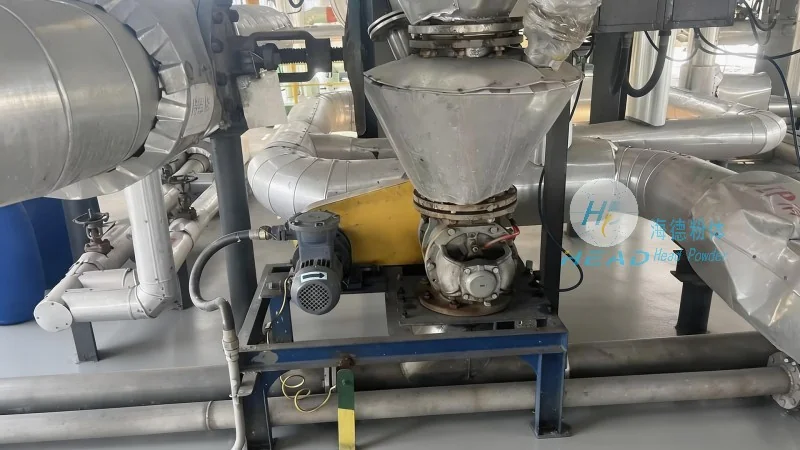
Overview of Paint Pneumatic Conveying Systems
A typical paint pneumatic conveying system consists of several key components designed to transport dry powder materials from a storage hopper to a receiving tank. The primary elements include a hopper for material storage, a feeder to regulate the flow rate, a conveying line (often with bends and filters), and a receiver for the deposited material. The system operates by creating a pressure differential—either through suction (negative pressure) or pressure (positive pressure)—to move the powder particles along the pipeline. This method is particularly effective for handling materials that are prone to caking or agglomeration, as the air flow helps to break up clumps and maintain a consistent particle size distribution.
Key Structural Components and Their Functions
The structural design of paint pneumatic conveying equipment is tailored to optimize performance and durability. The hopper, typically made of stainless steel or other corrosion-resistant materials, serves as the storage vessel for the powder. It is equipped with a discharge valve to control the material flow into the feeder. The feeder, often a rotary valve or a screw feeder, ensures a controlled and uniform feed rate, preventing overloading or underfeeding that could disrupt the conveying process. The conveying line, which may include elbows, tees, and filters, is designed to handle the air-powder mixture efficiently. Filters are critical components that prevent dust and particles from escaping into the environment, maintaining compliance with environmental regulations and protecting downstream equipment. The receiver, usually a collection tank, is positioned at the end of the line to accumulate the conveyed powder, often with a discharge valve for subsequent processing or packaging.
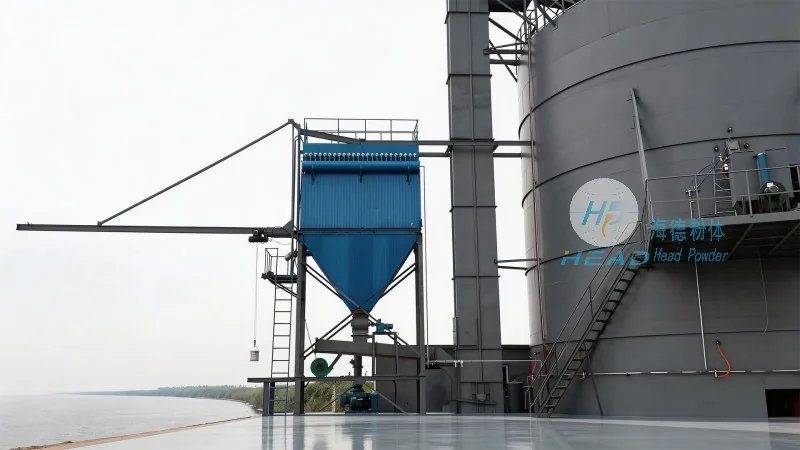
Working Principle of Pneumatic Conveying
The operation of paint pneumatic conveying equipment is based on the principle of fluidization and drag. In a suction system, a vacuum pump creates a negative pressure that draws air and powder particles into the hopper. The feeder then introduces the powder into the conveying line, where the air flow carries the particles through the pipeline. The air velocity is carefully controlled to ensure that the particles remain suspended without settling or clogging the line. In a pressure system, a blower or compressor generates positive pressure, pushing the air-powder mixture through the pipeline towards the receiver. Both systems rely on the interaction between the air flow and the powder particles to achieve efficient transport. The choice between suction and pressure depends on factors such as the distance to be covered, the material characteristics, and the desired flow rate. For example, suction systems are commonly used for short to medium distances and for materials that are light and free-flowing, while pressure systems are preferred for longer distances or for handling more viscous or cohesive powders.
Advantages of Paint Pneumatic Conveying Equipment
Compared to traditional mechanical conveying methods, paint pneumatic conveying equipment offers several significant advantages. First, it provides a closed system that minimizes dust emissions and contamination, which is critical in industries where product purity is paramount. This is particularly important for paints, as even small amounts of contamination can affect the color, texture, and performance of the final product. Second, the system allows for precise control over the flow rate and pressure, enabling consistent and uniform powder delivery. This is essential for maintaining the quality and consistency of the paint batch. Third, the equipment is relatively compact and can be easily integrated into existing production lines, reducing the need for extensive modifications or new infrastructure. Additionally, pneumatic conveying systems are generally more energy-efficient than mechanical systems, as they require less power to move the material over short to medium distances. Finally, the system is safer to operate, as there are no moving parts in direct contact with the powder, reducing the risk of mechanical failure or injury.
Applications in the Paint Industry
Paint pneumatic conveying equipment is widely used in various stages of the paint manufacturing process. In the raw material handling stage, it is used to transport pigments, binders, and additives from storage silos or containers to the mixing and grinding equipment. This ensures that the raw materials are delivered in a controlled manner, preventing overmixing or undermixing that could affect the final product. During the production stage, the equipment is used to transfer the mixed paint from the grinding tanks to the storage tanks or packaging lines. This allows for seamless integration between different production units and ensures that the paint is handled without any contamination or degradation. In the packaging stage, the equipment is used to transfer the finished paint from the storage tanks to the filling machines, where it is packaged into cans or bottles. This final step ensures that the paint is delivered to the customer in a clean and consistent condition.
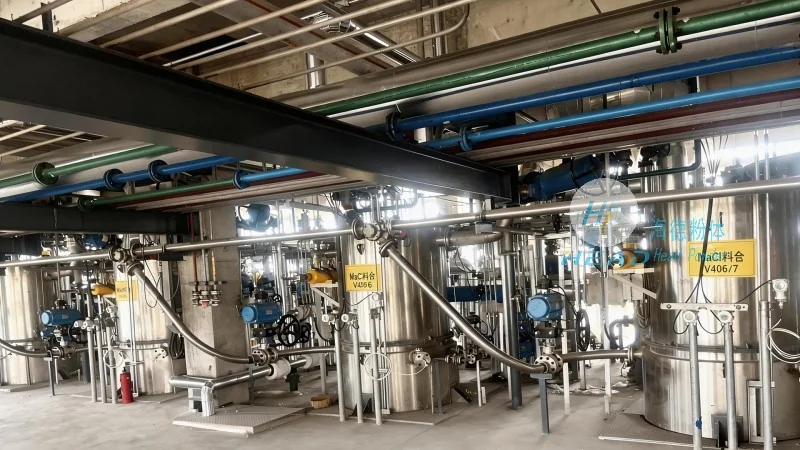
Considerations for Selecting Paint Pneumatic Conveying Equipment
When selecting paint pneumatic conveying equipment, several factors must be considered to ensure optimal performance and cost-effectiveness. The first consideration is the material characteristics of the powder, including its particle size, density, and flowability. These properties determine the type of system (suction or pressure) and the required air velocity and pressure. For example, fine powders with high moisture content may require a pressure system with a higher air flow rate to prevent clogging. The second consideration is the distance and layout of the conveying line. Longer distances may require additional boosters or larger diameter pipes to maintain the air-powder mixture's velocity. The third consideration is the required flow rate and capacity. The system must be able to handle the desired throughput without causing excessive pressure drops or energy consumption. The fourth consideration is the environmental regulations and safety requirements. The equipment must be designed to minimize dust emissions and comply with local environmental standards. Finally, the cost of the equipment and its maintenance must be considered. While pneumatic conveying systems may have a higher initial investment than mechanical systems, their lower maintenance costs and longer lifespan make them a cost-effective choice in the long run.
Conclusion
Paint pneumatic conveying equipment is a vital component in the modern paint industry, providing efficient, safe, and reliable transportation of powder materials. By understanding the structure and working principle of these systems, manufacturers can optimize their production processes, improve product quality, and reduce operational costs. The choice of equipment depends on various factors, including material characteristics, distance, and operational requirements. With proper design and maintenance, paint pneumatic conveying systems can deliver consistent and high-quality results, contributing to the success of paint manufacturing operations.