Activated carbon is a critical material in various industrial applications, including air purification, water treatment, and chemical processing. The efficient and reliable transportation of activated carbon from storage to processing units is essential for maintaining operational efficiency and product quality. This article explores the different methods of activated carbon conveying, with a focus on the advanced pneumatic conveying solutions offered by Shandong HeadPowder Engineering Co., Ltd., commonly known as headpowder, based in Shandong, China.
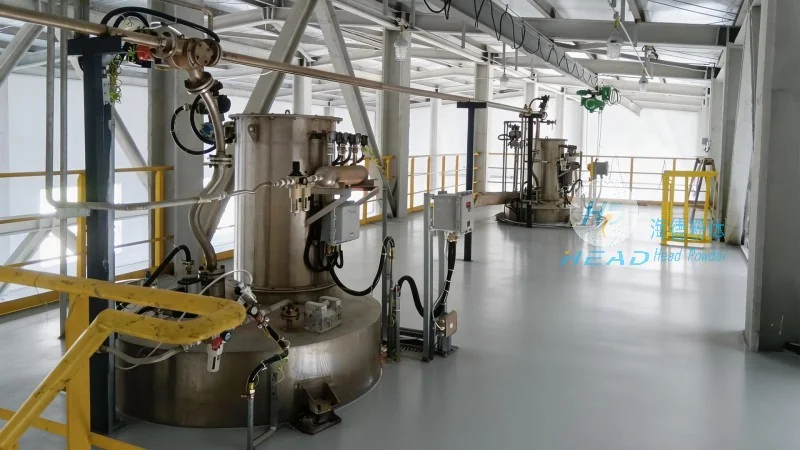
Understanding Activated Carbon Conveying Methods
Activated carbon, due to its porous structure and high surface area, presents unique challenges in material handling. Traditional conveying methods, such as belt conveyors or screw conveyors, may not be suitable for activated carbon due to its fine particle size and tendency to create dust or clog equipment. Therefore, specialized conveying systems are required to ensure safe and efficient transport. The primary methods of activated carbon conveying include pneumatic conveying, mechanical conveying, and gravity-based systems. Each method has its advantages and limitations, which are discussed below.
Pneumatic Conveying: The Preferred Method for Activated Carbon
Pneumatic conveying, also known as air conveying, is widely regarded as the most effective method for transporting activated carbon. This system uses compressed air to move the material through a pipeline, eliminating the need for mechanical components that can cause contamination or damage to the carbon particles. HeadPowder's pneumatic conveying systems are designed to handle activated carbon with precision, ensuring minimal loss and maximum efficiency. The system typically consists of a hopper, a rotary airlock feeder, a pipeline, and a receiver. The rotary airlock feeder controls the flow of activated carbon into the pipeline, while the compressed air propels the material forward. This method is particularly suitable for long-distance and high-volume transport, making it ideal for industrial-scale applications.
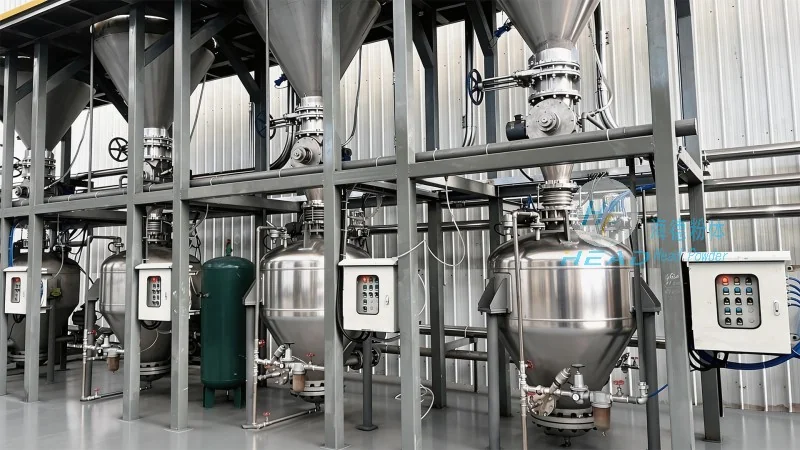
Key Features of HeadPowder's Pneumatic Conveying Solutions
HeadPowder's pneumatic conveying systems are engineered with several key features that enhance performance and reliability. The systems are equipped with high-quality materials, such as stainless steel or special alloys, to prevent corrosion and ensure durability. The airlocks and valves are designed to minimize pressure drop and maintain consistent flow rates, which is crucial for maintaining the quality of the activated carbon. Additionally, the systems are equipped with dust collection and filtration systems to comply with environmental regulations and ensure a clean working environment. The company's expertise in material handling allows them to customize solutions to meet specific customer requirements, including different particle sizes, flow rates, and distances.
Advantages of Using Pneumatic Conveying for Activated Carbon
Compared to other conveying methods, pneumatic conveying offers several advantages for activated carbon transport. The primary benefit is the ability to handle fine particles without clogging or damaging the material. This is critical for maintaining the adsorption capacity and effectiveness of the activated carbon. Additionally, pneumatic systems are more hygienic and easier to clean, which is essential for industries where product purity is paramount. The systems also offer better control over the flow rate and direction, allowing for precise dosing and integration with other processing equipment. Furthermore, pneumatic conveying reduces the risk of contamination from external sources, as the material is enclosed within the pipeline. These advantages make pneumatic conveying the preferred choice for many industrial applications.
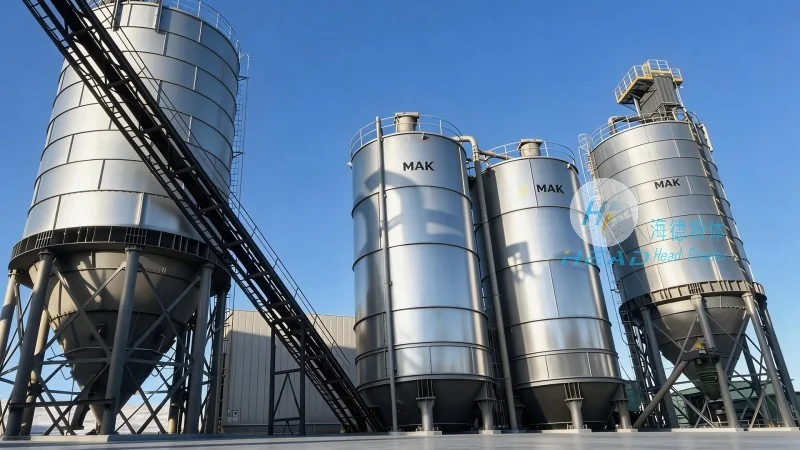
Applications of Activated Carbon Pneumatic Conveying
HeadPowder's pneumatic conveying systems are used in a wide range of applications across various industries. In the water treatment industry, the systems are used to transport activated carbon to filters and reactors, ensuring efficient purification of water. In the air purification sector, the systems are used to move activated carbon to air filtration units, improving indoor air quality. The chemical processing industry also utilizes these systems to transport activated carbon to reactors and storage tanks. Additionally, the systems are used in the pharmaceutical and food industries, where the purity and quality of the activated carbon are critical. The versatility of HeadPowder's solutions makes them suitable for a variety of applications, from small-scale operations to large industrial plants.
Conclusion
In conclusion, the choice of activated carbon conveying method depends on the specific requirements of the application. While traditional methods may be suitable for some applications, pneumatic conveying offers superior performance and reliability for most industrial uses. HeadPowder's pneumatic conveying systems provide an efficient and effective solution for transporting activated carbon, ensuring minimal loss, maximum efficiency, and product quality. With their expertise and customized solutions, headpowder is a leading provider of activated carbon conveying systems in China. For businesses seeking reliable and efficient material handling solutions, HeadPowder's pneumatic conveying systems are an excellent choice.




