

What is an Active Ammonia Denitrification Device? What Are Its Design Principles?
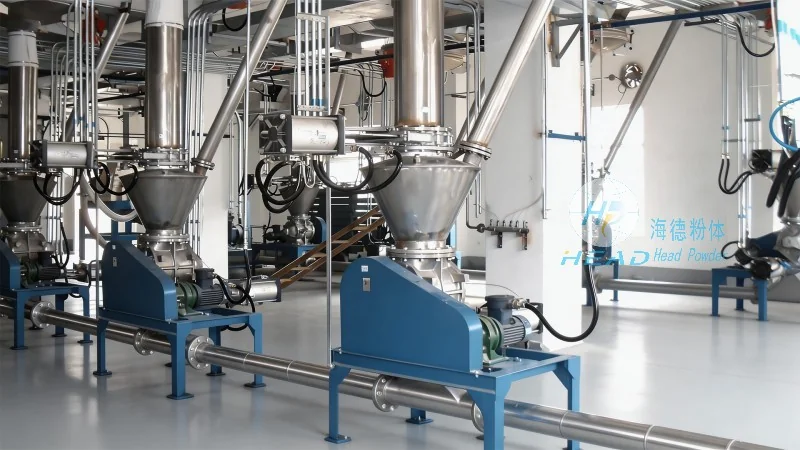
Active ammonia denitrification devices are advanced environmental protection equipment designed to reduce nitrogen oxides (NOx) emissions from industrial processes. These devices play a crucial role in meeting stringent environmental regulations and improving air quality. Understanding their functionality and design principles is essential for industries seeking effective NOx control solutions.
Understanding the Role of Active Ammonia Denitrification Devices
Industrial activities, particularly those involving combustion processes, often generate nitrogen oxides (NOx) as byproducts. These pollutants contribute to smog, acid rain, and respiratory health issues. Active ammonia denitrification devices are engineered to capture and convert NOx into less harmful substances, such as nitrogen gas and water. The core technology involves the selective catalytic reduction (SCR) process, where ammonia acts as a reducing agent to neutralize NOx in the presence of a catalyst. This process is highly efficient and widely adopted in power plants, refineries, and other industrial facilities.
The Design Principles of Active Ammonia Denitrification Devices
The design of active ammonia denitrification devices is based on several key principles to ensure optimal performance and reliability. First, the device must maintain a precise temperature range, typically between 300°C and 400°C, to facilitate the SCR reaction. This temperature window is critical for the catalyst's activity and the effective reduction of NOx. Second, the ammonia-to-NOx ratio must be carefully controlled to avoid over-reduction, which can lead to the formation of ammonia slip—a condition where excess ammonia is released into the atmosphere. Proper ratio control is achieved through advanced feed systems and sensors that monitor gas composition in real-time. Third, the catalyst selection is a critical design factor. Common catalysts include vanadium-based and titanium-based materials, each offering different performance characteristics and durability. The catalyst's surface area and porosity are optimized to maximize the contact between ammonia, NOx, and the catalyst, enhancing the reaction rate. Additionally, the device's structural design ensures efficient gas flow and heat management, preventing hot spots that could damage the catalyst or reduce efficiency.
Key Components and Operational Mechanisms
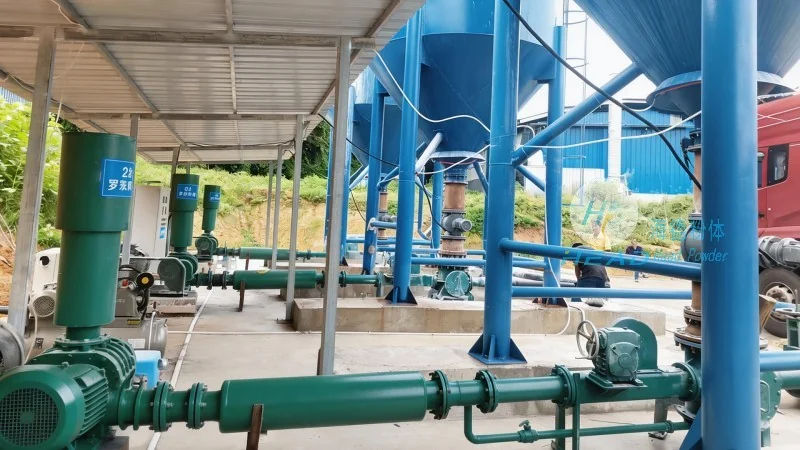
Active ammonia denitrification devices consist of several key components that work in tandem to achieve NOx reduction. The primary components include the reactor chamber, catalyst bed, ammonia injection system, and gas distribution system. The reactor chamber is designed to accommodate the catalyst bed, which is typically composed of ceramic or metal honeycomb structures. These structures provide a large surface area for the gas molecules to interact with the catalyst. The ammonia injection system delivers a controlled amount of ammonia into the gas stream, ensuring the correct stoichiometric ratio with NOx. This system often includes a mixer to evenly distribute the ammonia throughout the gas flow. The gas distribution system ensures uniform gas flow across the catalyst bed, preventing uneven temperature distribution and maximizing the reaction efficiency. Operational mechanisms involve the continuous flow of flue gas through the reactor, where the SCR reaction occurs. The catalyst facilitates the conversion of NOx to nitrogen gas and water vapor, which are then released into the atmosphere as non-polluting byproducts. Regular maintenance, such as catalyst regeneration or replacement, is necessary to maintain the device's performance over time.
Advantages and Applications of Active Ammonia Denitrification Devices
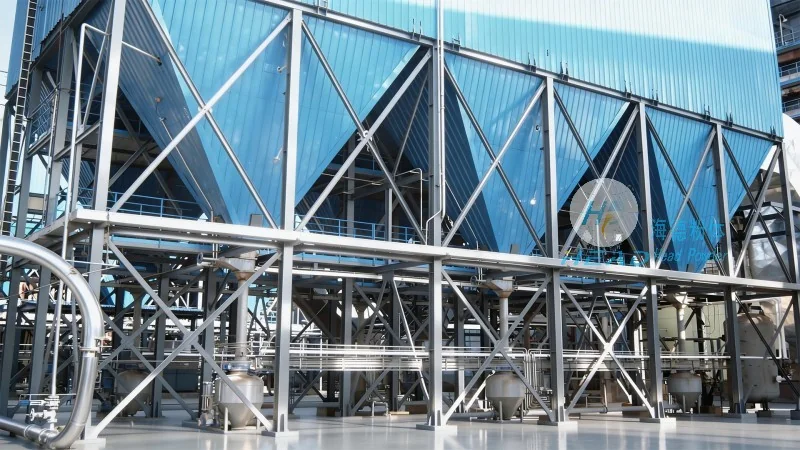
Active ammonia denitrification devices offer several advantages that make them a preferred choice for NOx control. Their high efficiency, typically achieving NOx reduction rates of 80% to 95%, makes them suitable for industries with strict emission limits. The technology is also flexible, allowing adaptation to various industrial processes and flue gas compositions. Additionally, the devices are relatively low in maintenance compared to other NOx control technologies, reducing operational costs. These advantages make active ammonia denitrification devices widely used in power generation, petrochemical, and manufacturing industries. For example, in coal-fired power plants, these devices are essential for complying with national and international emission standards. In refineries, they help reduce NOx emissions from combustion processes, contributing to overall environmental compliance.
Company Profile: Shandong HeadPowder Engineering Co., Ltd.
Shandong HeadPowder Engineering Co., Ltd. is a leading manufacturer and supplier of environmental protection equipment, specializing in active ammonia denitrification devices. The company is headquartered in Shandong, China, and has a strong reputation for delivering high-quality, reliable products to clients worldwide. With years of experience in the environmental technology sector, HeadPowder has developed advanced solutions tailored to meet the diverse needs of industrial clients. The company's commitment to innovation and quality ensures that its products meet international standards and regulatory requirements. HeadPowder's team of engineers and technicians works closely with clients to understand their specific NOx control challenges and provide customized solutions. The company also offers comprehensive after-sales support, including maintenance services and technical assistance, to ensure the long-term performance of its devices. By combining advanced technology with professional service, Shandong HeadPowder Engineering Co., Ltd. helps industries achieve sustainable environmental performance while maintaining operational efficiency.