

What is an Aluminum Foil Pneumatic Conveying System? Exploring Its Design Principles
Aluminum foil pneumatic conveying systems represent a specialized technology within the broader field of material handling and processing. These systems are engineered to transport aluminum foil and related materials efficiently and reliably, often in industrial settings where precision and control are paramount. Understanding the core components and design principles of such systems is essential for anyone involved in manufacturing, packaging, or material management, as they directly impact operational efficiency and product quality.
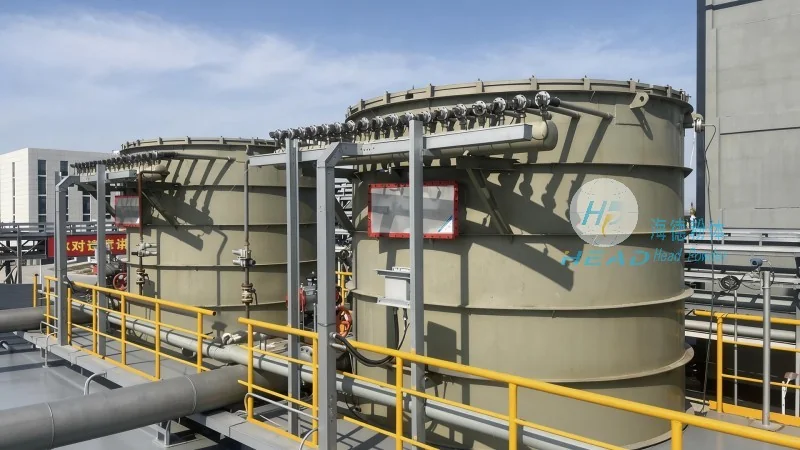
Defining the Aluminum Foil Pneumatic Conveying System
An aluminum foil pneumatic conveying system is a mechanical setup that uses compressed air or other gases to move aluminum foil and similar lightweight, low-density materials from one location to another. Unlike traditional mechanical conveyors, which rely on belts, chains, or rollers, pneumatic systems employ air pressure to create a flow of material through a network of pipes or ducts. This method is particularly advantageous for handling delicate or abrasive materials like aluminum foil, as it minimizes physical contact and reduces the risk of damage or contamination. Such systems are typically designed and manufactured by companies like Shandong HeadPowder Engineering Co., Ltd. (headpowder), which specializes in providing customized material handling solutions for industrial applications.
Key Design Principles and Components
The design of an aluminum foil pneumatic conveying system is built on several fundamental principles to ensure optimal performance. The primary components typically include a blower or air compressor to generate the necessary air pressure, a hopper or feeder to introduce the aluminum foil into the system, and a series of pipes or ducts that form the conveying path. Additionally, the system may incorporate elements such as cyclones, filters, and dust collectors to manage air quality and prevent material buildup. The choice of materials for the pipes and components is critical, as aluminum foil itself is a lightweight and flexible material, requiring durable and corrosion-resistant components to withstand the operational demands.
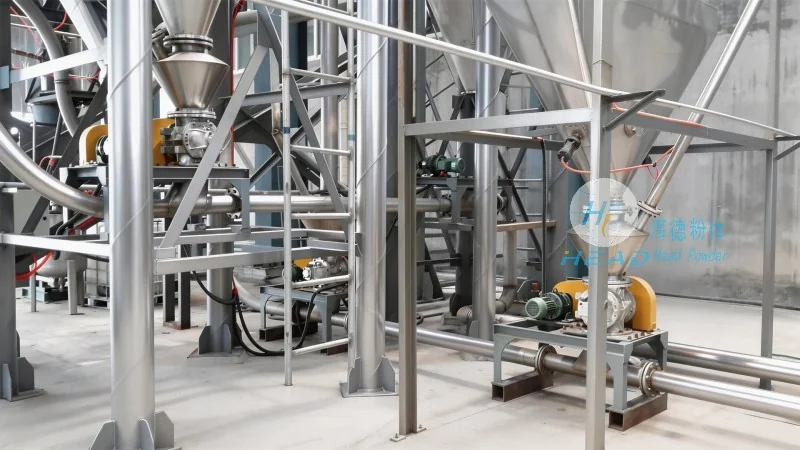
How the System Operates: A Step-by-Step Overview
The operation of an aluminum foil pneumatic conveying system follows a systematic process. First, the aluminum foil is fed into the hopper or feeder, where it is then introduced into the conveying line. The blower then generates a high-pressure airflow, which propels the aluminum foil particles through the pipes. As the material travels, it may encounter various components, such as cyclones, which separate the material from the air stream and direct it to the desired destination. Filters and dust collectors are integrated to ensure that the air leaving the system is clean and free from particulate matter, maintaining environmental compliance and system longevity. The entire process is controlled by a system of valves and sensors that regulate air pressure, flow rate, and material feed, allowing for precise and automated operation.
Benefits and Applications in Industrial Settings
Aluminum foil pneumatic conveying systems offer numerous benefits that make them a preferred choice in industrial applications. These include high efficiency in material transport, reduced labor costs due to automated operation, and minimal product damage compared to mechanical conveyors. The systems are particularly well-suited for industries such as food packaging, pharmaceuticals, and electronics, where the integrity of the aluminum foil is critical. They also provide flexibility in system layout, allowing for complex and customized configurations to meet specific production requirements. Furthermore, the systems are designed to be low-maintenance, with components that are easily accessible for inspection and replacement, reducing downtime and operational costs.
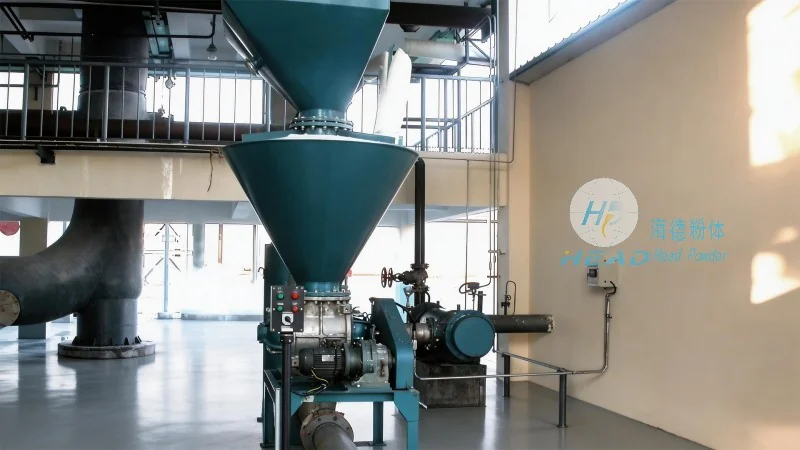
Customization and Integration with Other Equipment
One of the key advantages of aluminum foil pneumatic conveying systems is their ability to be customized and integrated with other industrial equipment. For instance, these systems can be connected to packaging machines, printing units, or quality control stations to form a seamless production line. This integration allows for a continuous flow of aluminum foil from raw material to finished product, enhancing overall operational efficiency. The systems can also be adapted to handle different types of aluminum foil, including various thicknesses, widths, and coatings, making them versatile for diverse manufacturing needs. Additionally, the design can accommodate different air pressures and flow rates, enabling optimization for specific material characteristics and production volumes.
Maintenance and Operational Considerations
Proper maintenance is essential to ensure the long-term performance and reliability of an aluminum foil pneumatic conveying system. Regular cleaning of the pipes, filters, and cyclones is necessary to prevent material buildup and maintain air quality. The blower and compressor components should be inspected periodically for wear and tear, and lubricated as required to ensure smooth operation. Additionally, the system's control sensors and valves should be checked to ensure they are functioning correctly, as any malfunction can disrupt the conveying process. Proper training of operators on the system's operation and maintenance procedures is also crucial to prevent accidents and ensure optimal performance. By adhering to a regular maintenance schedule, industrial facilities can maximize the lifespan of their aluminum foil pneumatic conveying systems and minimize operational disruptions.