Welcome to Shandong HeadPowder Engineering Co., Ltd., a leading provider of industrial solutions specializing in aggregate handling technologies. In this article, we will explore the concept of aggregate pneumatic conveying systems and delve into the fundamental design principles that govern their operation and efficiency.
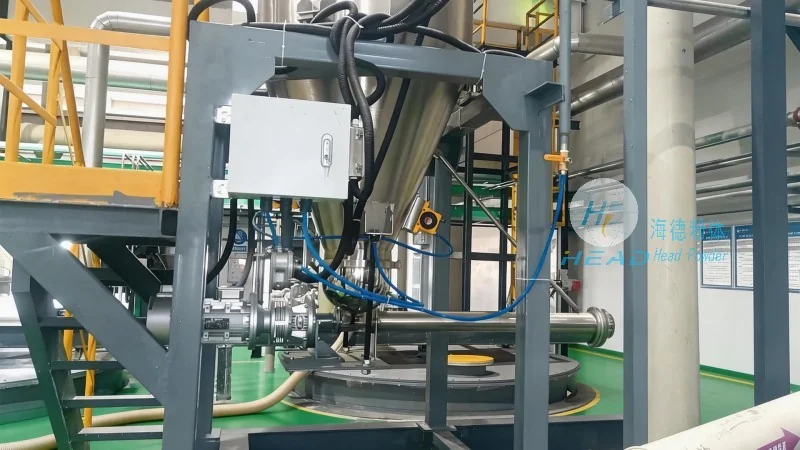
Understanding Aggregate Pneumatic Conveying Systems
An aggregate pneumatic conveying system is a sophisticated method of transporting bulk materials, such as sand, gravel, and other construction aggregates, through a pipeline using compressed air or other gas streams. This technology offers a highly efficient and flexible alternative to traditional mechanical conveying methods, which often involve complex machinery and high maintenance costs. The system operates by creating a pressure differential within the pipeline, allowing the material to be carried along with the air flow, ensuring smooth and continuous material transport from the source to the destination.
Key Components of an Aggregate Pneumatic Conveying System
At the core of any aggregate pneumatic conveying system are several critical components that work in tandem to ensure optimal performance. These include the material feed hopper, which stores and feeds the aggregate into the system; the air compressor or blower, which generates the necessary pressure to move the material; the pipeline network, which transports the material and air mixture; and the receiving hopper or silo, where the material is deposited. Additionally, components like rotary valves, filters, and pressure relief valves are often integrated to regulate flow, prevent dust emissions, and maintain system safety.
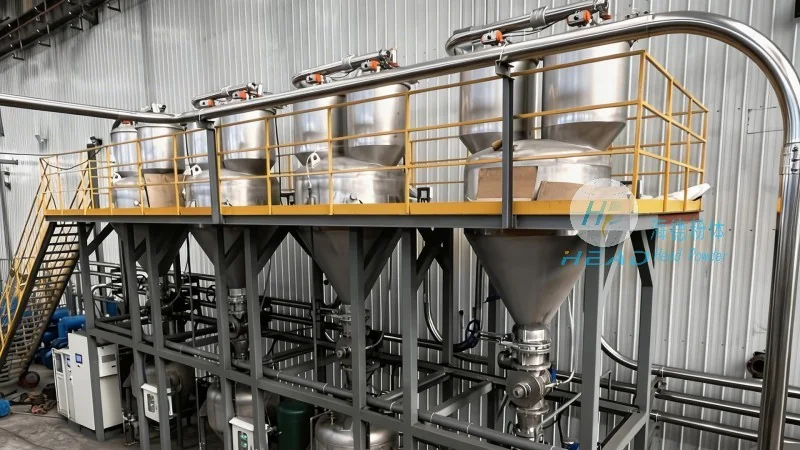
Design Principles for Efficient Aggregate Pneumatic Conveying
The design of an aggregate pneumatic conveying system is governed by several key principles aimed at maximizing efficiency, minimizing energy consumption, and ensuring long-term reliability. One of the primary principles is the selection of appropriate air velocity and pressure levels. The air velocity must be high enough to lift and transport the aggregate particles but low enough to prevent excessive wear on the pipeline and components. This balance is crucial for maintaining the system's performance and extending its operational lifespan. Another critical principle is the proper sizing of the pipeline diameter and length. The diameter is determined based on the material's particle size distribution and the desired flow rate, while the length is optimized to minimize pressure drop and energy consumption. Engineers also consider the material's density and flow characteristics, as these factors influence the system's capacity and the required air volume. Furthermore, the system's design incorporates features to manage dust and prevent blockages, such as cyclone separators and pulse-jet filters, which enhance operational safety and reduce maintenance requirements.
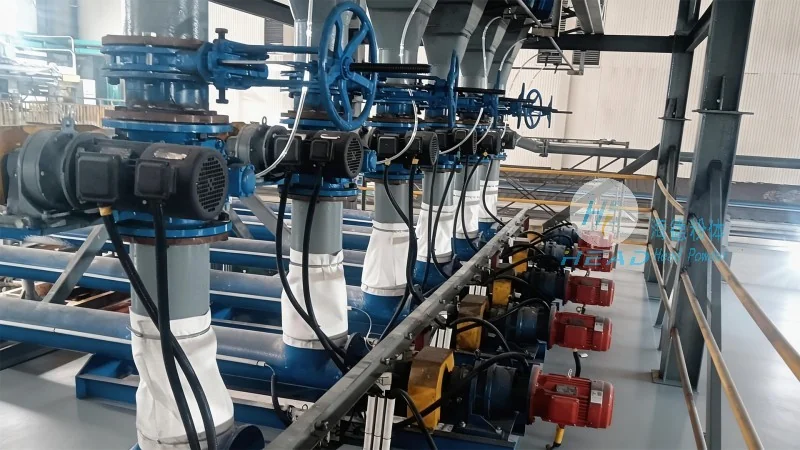
Advantages of Using Aggregate Pneumatic Conveying Systems
Implementing an aggregate pneumatic conveying system offers numerous advantages over traditional conveying methods. One of the most significant benefits is the ability to transport materials over long distances with minimal infrastructure requirements. Unlike belt conveyors or bucket elevators, pneumatic systems can navigate complex layouts and vertical lifts with ease, making them ideal for industrial settings where space is limited or where the material needs to be moved to multiple locations. Another advantage is the reduced risk of material contamination and degradation. Since the material is enclosed within the pipeline, it is protected from environmental factors and external contaminants, ensuring that the quality of the aggregate remains consistent throughout the transport process. Additionally, pneumatic conveying systems are highly adaptable, allowing for easy integration with existing production lines and the ability to handle a wide range of material types and sizes. This flexibility makes them a preferred choice for industries such as construction, mining, and manufacturing, where material handling is a critical operational component.
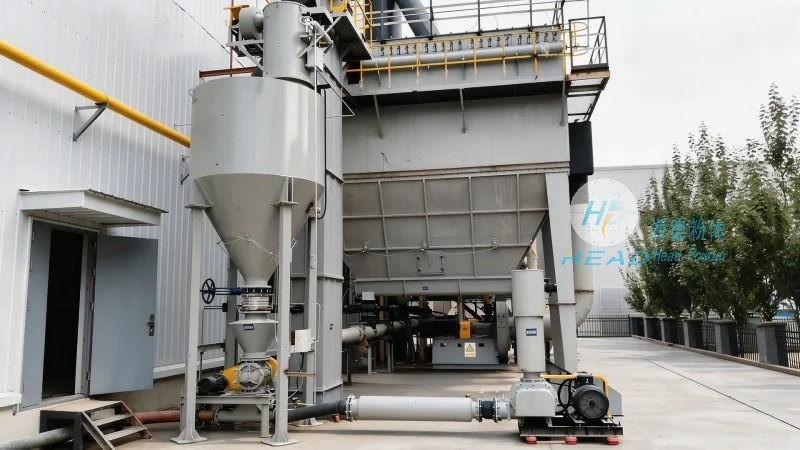
Applications and Industries Benefiting from Aggregate Pneumatic Conveying
The versatility of aggregate pneumatic conveying systems makes them suitable for a wide array of applications across various industries. In the construction industry, these systems are widely used to transport sand, gravel, and other aggregates from storage facilities to construction sites, ensuring a steady supply of materials for concrete production and other building projects. The mining sector also benefits significantly, as pneumatic conveying systems are employed to transport ore and other bulk materials from mines to processing facilities, reducing the need for heavy machinery and improving operational efficiency. In the manufacturing industry, aggregate pneumatic conveying is utilized in the production of cement, asphalt, and other building materials, where precise material handling is essential for maintaining product quality. Furthermore, these systems are used in the chemical and food processing industries for transporting granular materials, where hygiene and contamination control are paramount. The ability to handle different materials and adapt to varying production demands makes aggregate pneumatic conveying systems a valuable asset in modern industrial operations.
Conclusion and Company Overview
Aggregate pneumatic conveying systems represent a cutting-edge solution for efficient bulk material transport, offering significant advantages in terms of flexibility, efficiency, and cost-effectiveness. The design principles that govern these systems, including proper air velocity, pipeline sizing, and component selection, are critical to achieving optimal performance and long-term reliability. As a leading provider of industrial solutions, Shandong HeadPowder Engineering Co., Ltd. specializes in designing and manufacturing customized aggregate pneumatic conveying systems tailored to the specific needs of our clients. With our expertise in material handling technology and commitment to quality, we ensure that our systems meet the highest standards of performance and durability. Based in Shandong, China, we serve clients globally, providing reliable and efficient solutions for their aggregate transport challenges. Whether you are in the construction, mining, or manufacturing industry, our aggregate pneumatic conveying systems can help streamline your operations and enhance productivity.




