When it comes to handling biomass powders in industrial applications, selecting the right conveying method is crucial for efficiency, safety, and cost-effectiveness. Biomass powders, derived from organic materials like wood chips, agricultural residues, or dedicated energy crops, present unique challenges due to their fine particle size, moisture content, and potential for dust explosions. Traditional conveying methods such as belt conveyors or screw conveyors may struggle with these characteristics, leading to issues like material degradation, blockages, or poor control over dust dispersion. This is where specialized pneumatic conveying systems, like those offered by Shandong HeadPowder Engineering Co., Ltd. (commonly known as HeadPowder), come into play.
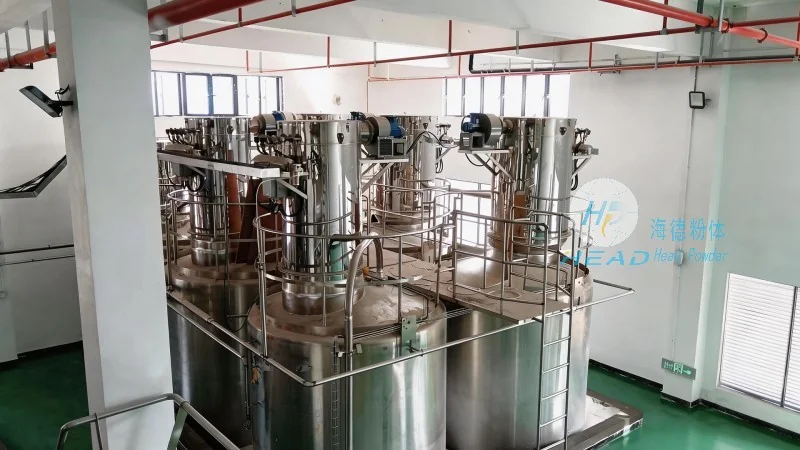
Key Considerations in Biomass Powder Conveying
Before diving into specific technologies, it's essential to understand the key factors that influence the choice of conveying method for biomass powders. These factors include the particle size distribution, bulk density, moisture level, and the required conveying distance. For example, powders with a high proportion of fine particles (less than 100 microns) may require higher air velocities to prevent clogging, while materials with higher moisture content might need additional drying steps or specialized equipment to maintain flowability. The distance between the source and destination of the material also plays a critical role, as longer distances may necessitate more robust systems with higher pressure or vacuum capabilities.
Common Biomass Powder Conveying Methods
Several conveying methods are used in the industry, each with its own advantages and limitations. The most common approaches include:
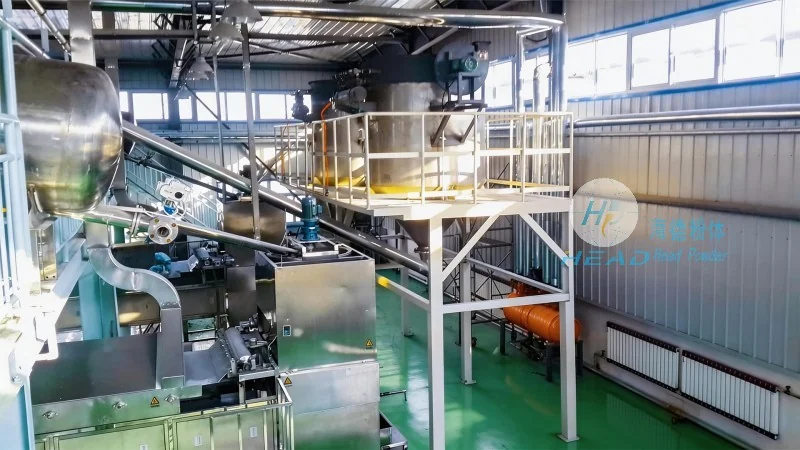
- Gravity Conveying: This method relies on the natural force of gravity to move materials from a higher to a lower elevation. While simple and low-cost, it is only suitable for short distances and when the material has a sufficient angle of repose to flow freely. Biomass powders often have poor flow characteristics, making gravity conveying impractical for most applications.
- Belt Conveyors: Belt conveyors use a continuous belt to transport materials horizontally or at a slight incline. They are widely used in bulk material handling but may suffer from material degradation due to friction and abrasion, especially with fine powders. Additionally, belt conveyors can generate significant dust, which poses health and safety risks if not properly contained.
- Screw Conveyors: Screw conveyors, also known as auger conveyors, use a rotating screw to push materials forward. They are effective for horizontal or slight incline transport but can experience blockages with cohesive or sticky powders. Screw conveyors also tend to generate heat due to friction, which may affect the quality of temperature-sensitive biomass materials.
- Pneumatic Conveying: Pneumatic conveying systems use compressed air or vacuum to transport materials through a pipeline. This method offers several advantages, including the ability to handle fine powders, maintain material integrity, and control dust emissions. Pneumatic systems can operate in both pressure and vacuum modes, providing flexibility for different applications. However, they require higher energy input and may have higher maintenance costs compared to mechanical conveyors.
HeadPowder's Pneumatic Conveying Solutions for Biomass Powders
Shandong HeadPowder Engineering Co., Ltd., commonly referred to as HeadPowder, is a leading provider of bulk material handling solutions specializing in pneumatic conveying systems tailored to the unique needs of biomass powder applications. The company's expertise lies in understanding the physical properties of different biomass materials and selecting the most appropriate pneumatic conveying technology to ensure reliable, efficient, and safe operation.
One of the core components of HeadPowder's systems is the air compressor, which provides the necessary pressure or vacuum to move materials through the pipeline. The choice of compressor type (e.g., rotary screw, centrifugal, or reciprocating) depends on factors such as the required air volume, pressure, and system size. HeadPowder offers both positive displacement and dynamic compressors, ensuring compatibility with a wide range of conveying applications.
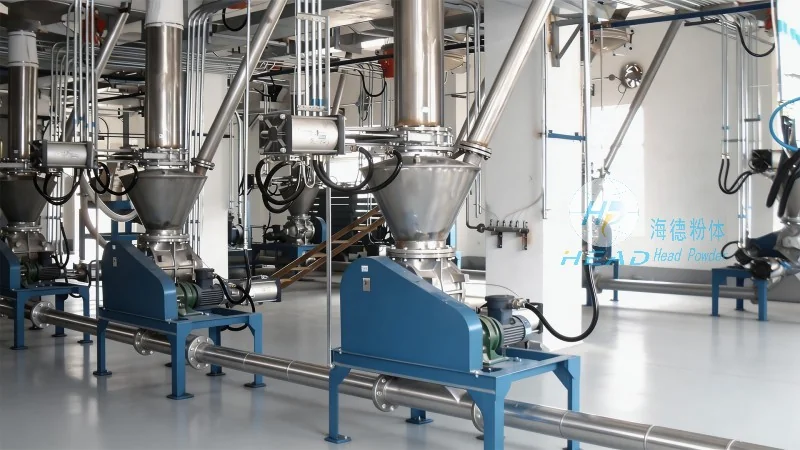
For biomass powders, HeadPowder typically recommends a combination of pressure and vacuum conveying modes. The system may start with a pressure stage to move materials from the source to an intermediate hopper, followed by a vacuum stage to transport the material to the destination. This two-stage approach helps maintain material flow and reduces the risk of clogging in the pipeline. The company's engineers carefully calculate the air-to-material ratio, which is the key parameter in pneumatic conveying, to ensure optimal performance and energy efficiency.
HeadPowder's pneumatic conveying systems also incorporate advanced control systems to monitor and adjust the conveying process in real-time. These systems can detect changes in material flow, pressure, or temperature and automatically adjust the air flow rate or pressure to maintain stable operation. This level of automation not only improves efficiency but also enhances safety by preventing overpressurization or vacuum-related hazards.
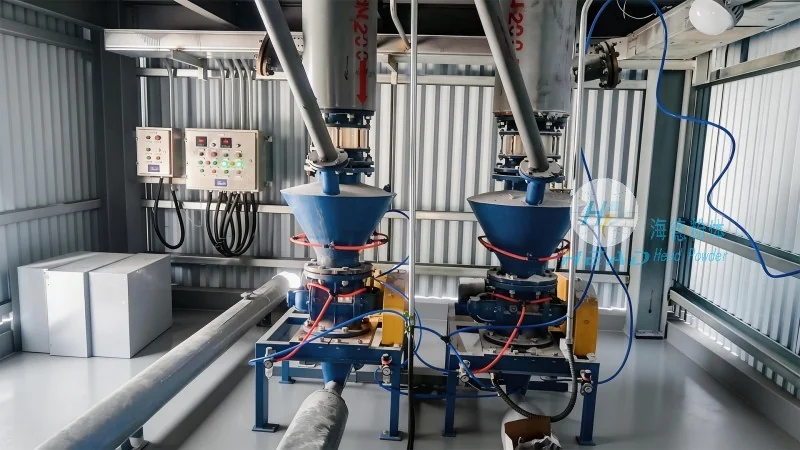
In addition to the core conveying equipment, HeadPowder provides complementary components such as filters, cyclones, and dust collectors to manage dust emissions and ensure compliance with environmental regulations. The company's dust collection systems are designed to capture fine particles and return them to the conveying line, reducing material loss and improving overall system performance.
HeadPowder's commitment to quality and customer satisfaction is evident in their product design and after-sales support. The company adheres to international standards such as ISO 9001 for quality management and provides comprehensive technical support, including system design, installation, and maintenance services. This ensures that clients can rely on their biomass powder conveying systems for long-term, trouble-free operation.




