For industrial processes involving catalysts, the efficient and reliable transportation of powder materials is crucial. A catalyst powder conveying line, also known as a catalyst powder handling system, is a specialized setup designed to transport catalyst powders from one location to another within a manufacturing facility. This system is integral to various industries, including chemical manufacturing, petrochemical processing, and pharmaceutical production, where catalysts play a vital role in facilitating chemical reactions.
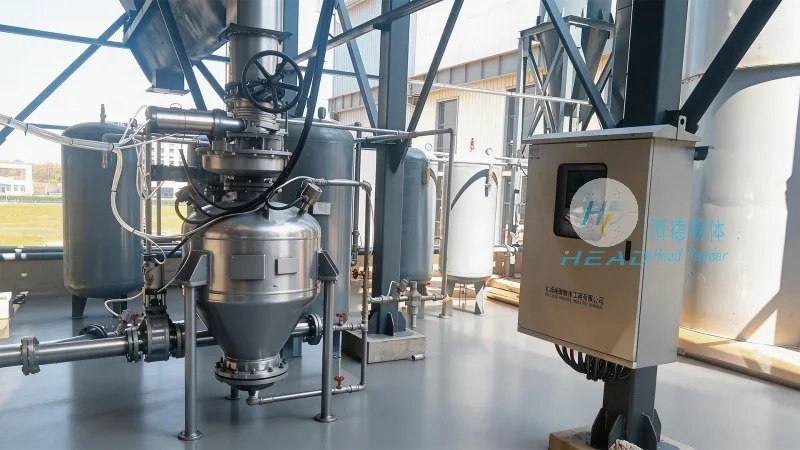
The core function of a catalyst powder conveying line is to ensure the safe and controlled movement of catalyst powders, which are often fine, abrasive, or sensitive materials. These materials require specialized equipment to prevent degradation, contamination, or loss during transport. The design of such a system must consider factors like material properties, process requirements, and operational safety to achieve optimal performance.
Key Components of a Catalyst Powder Conveying Line
A typical catalyst powder conveying line consists of several key components that work in tandem to achieve efficient material transport. These components include:
1. Feeding Equipment: This component is responsible for feeding the catalyst powder into the conveying system. Common feeding devices include rotary valves, star feeders, or screw feeders, which ensure a consistent and controlled flow of material into the conveying line.
2. Pneumatic Conveying Systems: Many catalyst powder conveying lines utilize pneumatic systems, which use air or other gases to transport the powder. These systems can be categorized into pressure or vacuum types, depending on the application. Pneumatic conveying is particularly effective for handling fine powders and can be designed for both short and long-distance transport.
3. Conveying Pipelines: The pipelines used in a catalyst powder conveying line are typically made of materials that are resistant to corrosion and abrasion, such as stainless steel or special plastics. The design of the pipelines, including the diameter and layout, is critical to maintaining the flow rate and preventing material buildup or blockages.
4. Control and Monitoring Systems: Modern catalyst powder conveying lines are equipped with advanced control systems that monitor parameters like pressure, flow rate, and temperature. These systems help ensure the smooth operation of the line and can alert operators to any issues that may arise, such as blockages or pressure drops.
Design Principles for Catalyst Powder Conveying Lines
The design of a catalyst powder conveying line is based on several fundamental principles that ensure efficiency, safety, and reliability. These principles include:
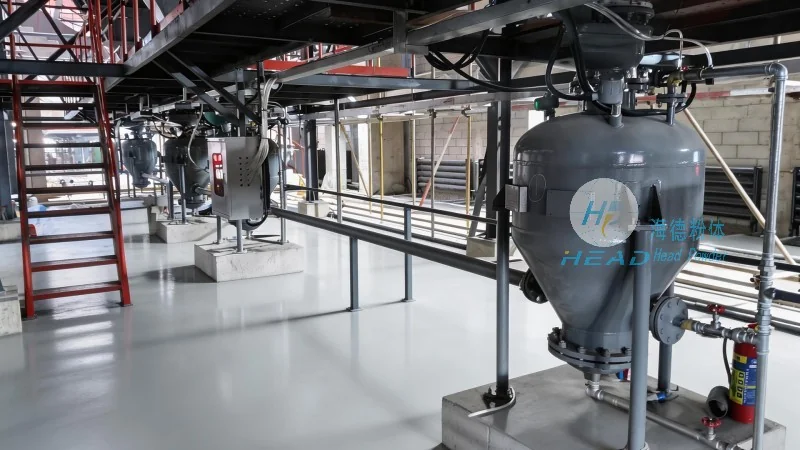
1. Material Compatibility: The materials used in the conveying line must be compatible with the catalyst powder being transported. This includes the choice of pipeline materials, seals, and other components to prevent contamination or degradation of the catalyst.
2. Flow Optimization: The design aims to optimize the flow of the powder through the system, minimizing friction and pressure losses. This involves selecting appropriate pipeline diameters, ensuring smooth transitions between components, and maintaining consistent air or gas velocities.
3. Prevention of Agglomeration: Catalyst powders can agglomerate or clump together during transport, which can lead to blockages. The design incorporates features like vibration or agitation to prevent agglomeration and maintain a uniform flow.
4. Safety and Environmental Considerations: The system is designed with safety in mind, including measures to prevent dust explosions and ensure proper ventilation. Environmental considerations are also important, such as containing dust and preventing emissions into the environment.
Applications of Catalyst Powder Conveying Lines
Catalyst powder conveying lines are used in a wide range of industrial applications where catalysts are essential. Some common applications include:
1. Chemical Manufacturing: In the production of chemicals, catalysts are used to accelerate reactions. The conveying line ensures that the catalyst is delivered to the reaction vessels in the correct quantity and at the right time.
2. Petrochemical Processing: In petrochemical plants, catalysts are used in processes like cracking and reforming. The conveying line helps transport catalysts to the reactors, where they facilitate the conversion of raw materials into valuable products.
3. Pharmaceutical Production: In the pharmaceutical industry, catalysts are used in the synthesis of active pharmaceutical ingredients (APIs). The conveying line ensures the safe and controlled transport of these sensitive materials.
4. Environmental Remediation: Catalysts are also used in processes for environmental remediation, such as the treatment of contaminated soil or water. The conveying line helps transport these catalysts to the treatment sites.
Benefits of Using a Catalyst Powder Conveying Line
Implementing a catalyst powder conveying line offers several benefits for industrial operations. These benefits include:
1. Increased Efficiency: The system allows for the continuous and automated transport of catalyst powders, reducing the need for manual handling and increasing production throughput.
2. Improved Safety: By automating the transport process, the risk of exposure to hazardous materials is reduced, and the risk of accidents is minimized.
3. Reduced Downtime: The design of the system minimizes the risk of blockages and other issues that can cause downtime, ensuring consistent operation.
4. Enhanced Product Quality: The controlled transport of catalyst powders helps maintain the quality and purity of the material, which is critical for achieving desired reaction outcomes.
Conclusion
A catalyst powder conveying line is a critical component of many industrial processes, enabling the efficient and safe transport of catalyst powders. The design of such a system is based on fundamental principles that consider material properties, flow optimization, and safety. By implementing a well-designed conveying line, industrial facilities can improve their operational efficiency, enhance safety, and maintain product quality. Companies like Shandong HeadPowder Engineering Co., Ltd., based in China, specialize in the design and manufacturing of these systems, providing tailored solutions for various industrial applications.




