When it comes to transporting bean powder, selecting the right conveying method is crucial for efficiency, product integrity, and operational reliability. Various options are available, each with its own set of advantages and limitations. This article provides an overview of common bean powder conveying methods, with a focus on the benefits and characteristics of pneumatic conveying as a leading solution. The information is presented by Shandong HeadPowder Engineering Co., Ltd., a company based in China, specializing in engineering solutions for material handling and processing.
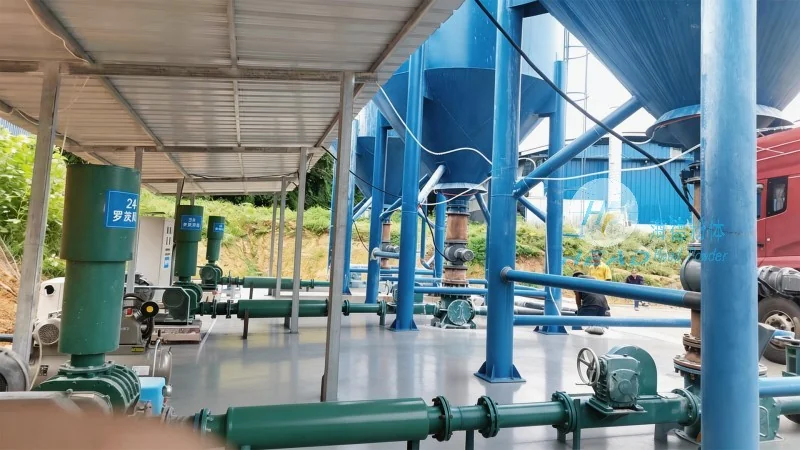
Understanding Different Bean Powder Conveying Methods
Traditional methods for transporting bean powder include mechanical conveyors such as belt conveyors, screw conveyors, and bucket elevators. These systems rely on mechanical force to move the material from one location to another. While effective for certain applications, they may present challenges when dealing with fine powders like bean powder, which can lead to issues such as product degradation, increased maintenance, and higher energy consumption.
Pneumatic Conveying: A Modern Solution for Bean Powder Transport
Pneumatic conveying uses compressed air or other gases to transport materials through a pipeline system. This method is particularly well-suited for bean powder due to its ability to handle fine particles, minimize product contamination, and maintain a consistent flow. The technology offers several key advantages that make it a preferred choice in industries dealing with sensitive powders.
Key Advantages of Pneumatic Conveying for Bean Powder
One of the primary benefits of pneumatic conveying is its ability to handle fine and abrasive materials without causing damage or degradation. Bean powder, being a fine particulate, is often susceptible to clumping or degradation when exposed to mechanical stress. Pneumatic systems use air pressure to gently move the material, preserving its quality and ensuring that the final product remains consistent in texture and composition.
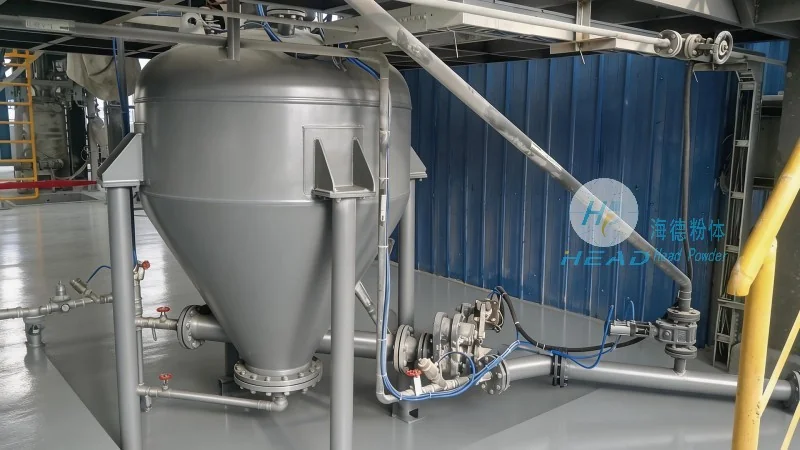
Another significant advantage is the hygienic and clean operation of pneumatic conveying systems. Unlike mechanical conveyors that may require regular cleaning and maintenance to prevent product buildup, pneumatic systems operate in a closed pipeline, reducing the risk of contamination from external sources. This is especially important in food processing industries where product safety and regulatory compliance are paramount.
Efficiency and flexibility are also major factors contributing to the popularity of pneumatic conveying. These systems can be easily scaled to accommodate varying production volumes and can be integrated with other processing equipment, such as storage silos and processing lines. The ability to transport bean powder over long distances without the need for multiple transfer points further enhances operational efficiency.
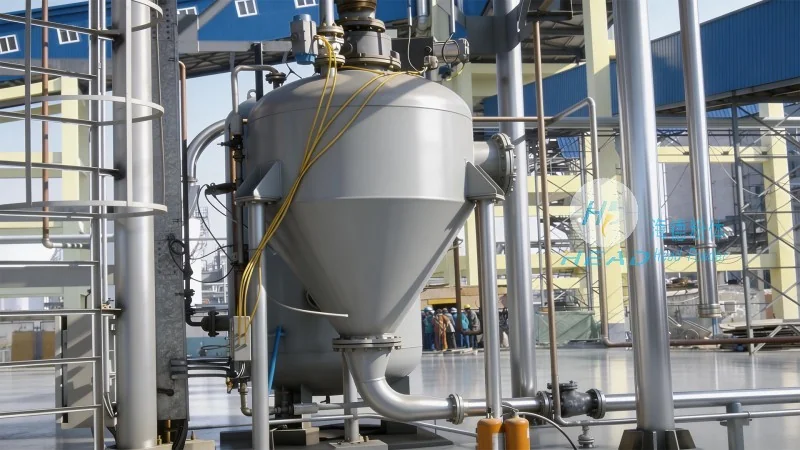
Features of Pneumatic Conveying Systems
Modern pneumatic conveying systems for bean powder often incorporate advanced features to optimize performance. These may include adjustable air pressure controls, which allow operators to fine-tune the conveying speed based on the specific characteristics of the powder. Additionally, some systems use a combination of positive and negative pressure (also known as hybrid conveying) to achieve the most efficient transport, reducing energy consumption while maintaining high throughput.
Another notable feature is the ability to handle different powder types and moisture levels. Pneumatic systems can be designed to accommodate bean powders with varying moisture content, ensuring that the material remains stable during transport. This adaptability makes them suitable for a wide range of applications, from small-scale operations to large industrial facilities.
Conclusion: Choosing the Right Conveying Method for Bean Powder
When evaluating bean powder conveying methods, it is essential to consider factors such as material characteristics, production scale, and operational requirements. While mechanical conveyors may be suitable for some applications, pneumatic conveying stands out as a superior option for its ability to preserve product quality, ensure hygiene, and enhance operational efficiency. By understanding the advantages and features of pneumatic conveying, businesses can make informed decisions that lead to improved productivity and cost savings in their bean powder processing operations.




