Loess, a soil type primarily composed of silt, is widely utilized in construction, agriculture, and environmental projects. The efficient and safe transportation of loess is critical for these applications. Various methods are employed for loess conveying, each with distinct advantages and limitations. This article explores different loess conveying methods and highlights the key benefits and characteristics of pneumatic loess conveying, a modern and effective solution.
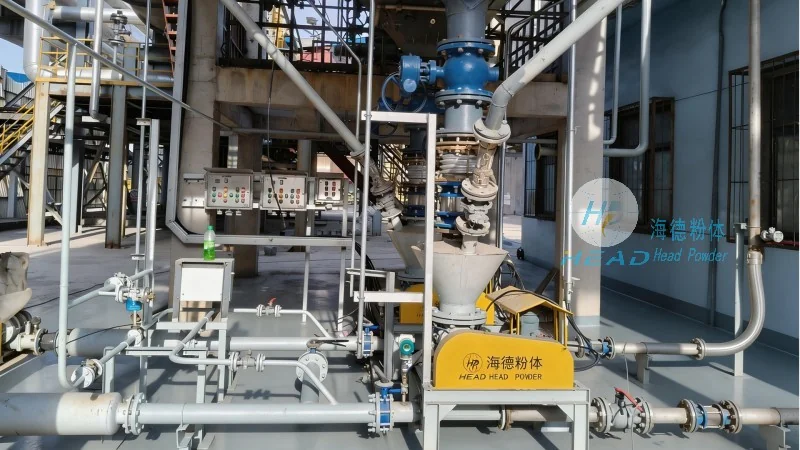
Overview of Common Loess Conveying Methods
Traditional loess conveying methods include gravity-based systems, mechanical conveyors, and hydraulic systems. Gravity conveyors rely on the natural slope of terrain to move loess, suitable for short distances and gentle inclines. However, this method is limited by topography and inefficient for long or complex routes. Mechanical conveyors, such as belt and screw types, use mechanical components. They are reliable and handle large volumes but require regular maintenance and have moving parts that cause wear over time. Hydraulic systems employ fluid power, offering flexibility in direction and speed. Yet, they are complex, costly to install, and pose safety risks from high-pressure fluid.
Pneumatic Loess Conveying: A Modern Solution
Pneumatic loess conveying, or air conveying, uses compressed air to transport loose materials like loess through pipelines. This method has gained popularity due to advantages over traditional approaches. The core is an air compressor generating pressure to move material. Loess is fed into the pipeline at the inlet, mixed with the air stream, and carried to the discharge point. Components include air compressors, filters, cyclone separators, and dust collectors to ensure efficient operation and minimize environmental impact.
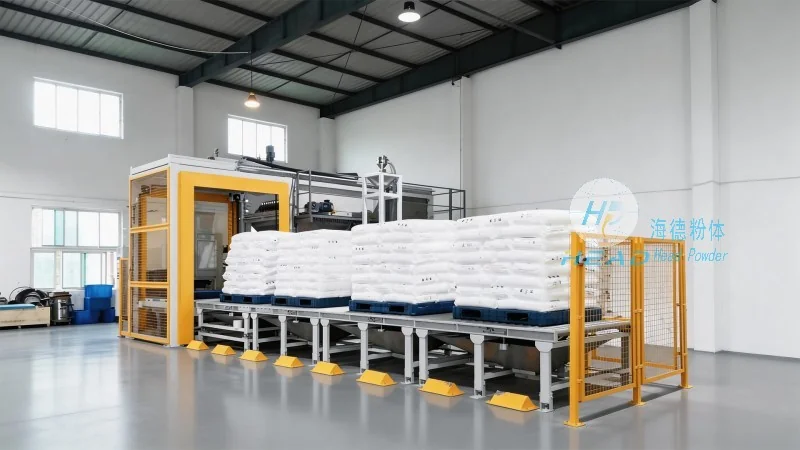
Key Advantages of Pneumatic Loess Conveying
One primary advantage is high efficiency. Unlike mechanical conveyors, pneumatic systems transport loess over long distances with minimal energy use. Compressed air enables continuous, uniform flow, reducing stops and restarts for increased productivity and lower costs. Additionally, pneumatic systems are highly flexible. Pipelines can be easily reconfigured or extended to adapt to project layout changes or reach different locations, making them suitable for small and large-scale applications.
Another significant advantage is environmental friendliness. Traditional methods generate dust and noise, harming workers and ecosystems. Pneumatic systems minimize dust emissions. Cyclone separators and dust collectors capture fine particles, ensuring clean, safe air discharge. This reduces respiratory risks and ecological impact. Unlike hydraulic systems, pneumatic conveying does not require water, avoiding water pollution.
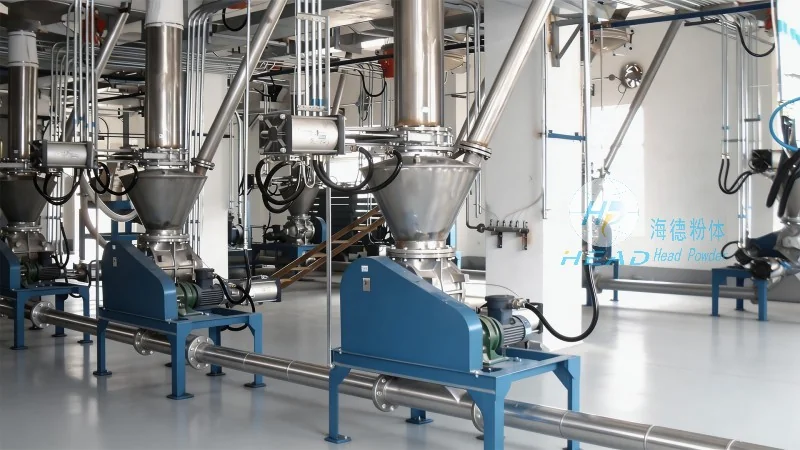
Technical Features and Operational Considerations
Pneumatic loess conveying systems include technical features enhancing performance and reliability. The air compressor is the core, with capacity and pressure selected based on material and distance. Pipeline diameter and length are critical for efficient operation. Proper sizing ensures adequate air velocity to carry particles without excessive pressure drop or separation. Control valves and sensors monitor/regulate air and material flow, preventing blockages.
Operational considerations are vital for successful implementation. Regular maintenance is needed to keep systems optimal, including checking air compressors, cleaning filters/separators, and inspecting pipelines for damage. Proper operator training ensures correct and safe use. Material preparation is also key to avoid agglomeration or excessive moisture, which can affect conveying efficiency.
Applications and Case Studies
Pneumatic loess conveying is used across industries and projects. In construction, it transports loess from quarries to sites, especially for large-scale projects requiring long-distance transport. It handles large volumes and integrates with equipment like mixers, streamlining workflows. In agriculture, it aids soil management and land reclamation, moving loess from storage to fields for improved productivity. Environmental projects, such as coastal reclamation, benefit from transporting loess to hard-to-access areas, stabilizing land.
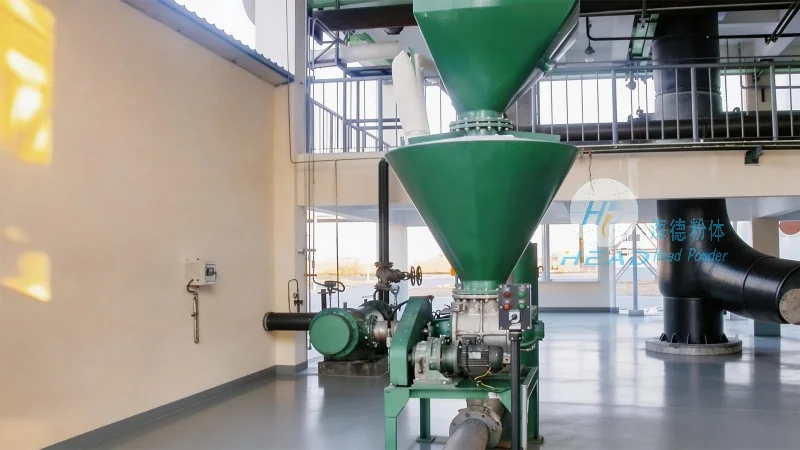
Case studies from Shandong HeadPowder Engineering Co., Ltd. (headpowder) demonstrate effectiveness. One project transported loess 5 km from a quarry to a construction site at 200 tons per hour—significantly higher than mechanical conveyors. The system reduced dust emissions by 80%, improving worker conditions. Another project reclaimed a coastal area, using pneumatic conveying to transport loess efficiently, contributing to project success.
Conclusion
Pneumatic loess conveying is a modern, effective solution for loess transportation. It offers advantages over traditional methods, including efficiency, flexibility, and environmental friendliness. The technology suits diverse applications and can be customized for specific needs. As demand grows for efficient, sustainable solutions, pneumatic loess conveying is likely to become more popular. Shandong HeadPowder Engineering Co., Ltd. (headpowder), with expertise in loess engineering and pneumatic systems, is well-positioned to provide high-quality solutions for various loess conveying projects.




