When it comes to the efficient and reliable transport of anode materials in battery production, selecting the right conveying method is crucial. Anode materials, such as graphite, silicon, and other carbon-based compounds, require specialized handling to ensure minimal contamination and optimal performance. Among the various options available, pneumatic conveying stands out as a preferred solution for many manufacturers. This article explores the different types of anode material conveying methods and provides an in-depth look at how Shandong HeadPowder Engineering Co., Ltd. (headpowder), a leading material handling solutions provider based in Shandong, China, utilizes advanced pneumatic conveying systems for anode material transport.
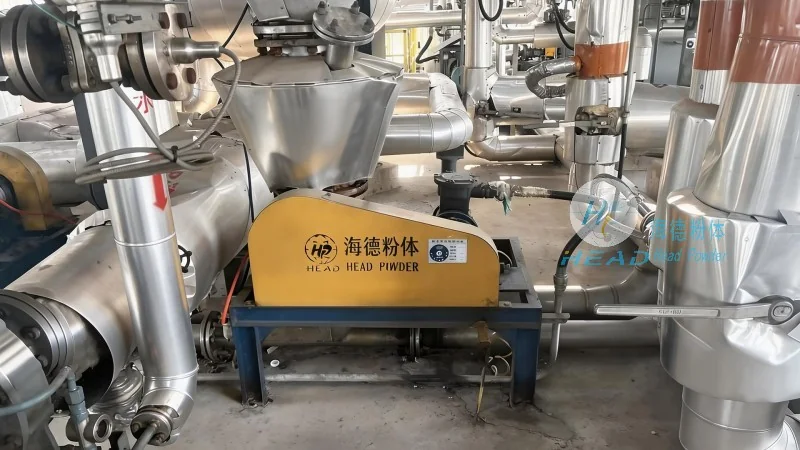
Understanding Anode Material Conveying Methods
Anode materials are typically handled in bulk quantities and need to be moved from storage to processing units, or between different stages of the battery manufacturing process. The primary goal of anode material conveying is to achieve smooth, consistent, and contamination-free transfer. Several methods are commonly employed, each with its own advantages and limitations.
Common Conveying Methods for Anode Materials
1. Gravity Conveying: This method relies on the natural flow of materials under gravity, often using chutes or inclined planes. While simple and low-cost, gravity conveying is limited by the layout of the facility and may not be suitable for vertical or long-distance transport. It is generally used for short distances and when the material is free-flowing.
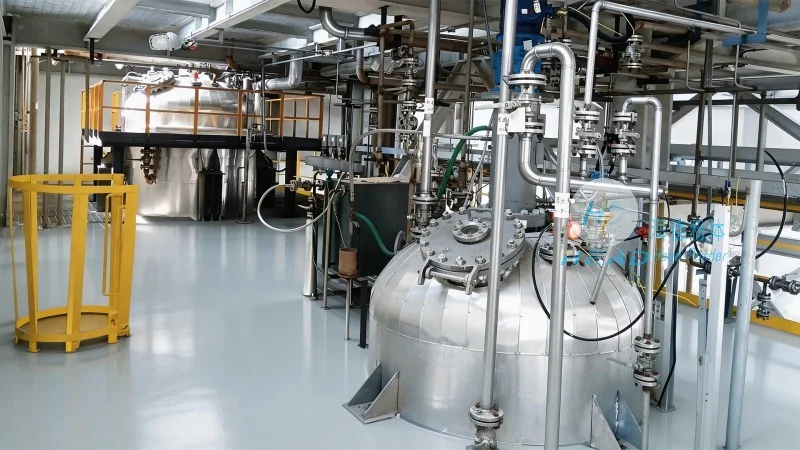
2. Pneumatic Conveying: This is a more versatile and widely adopted method for anode material transport. Pneumatic conveying uses air or other gases to move materials through a pipeline system. It can be categorized into different types, including pressure, vacuum, and mixed systems, each offering unique benefits for handling anode materials.
3. Mechanical Conveying: This includes methods like belt conveyors, screw conveyors, and bucket elevators. Mechanical systems are effective for horizontal and vertical transport but may cause more material degradation or contamination compared to pneumatic systems, especially for delicate anode powders.
HeadPowder's Pneumatic Conveying Solutions for Anode Materials
Shandong HeadPowder Engineering Co., Ltd., a leading provider of material handling solutions, specializes in designing and implementing advanced pneumatic conveying systems tailored for anode materials. The company's expertise lies in optimizing the conveying process to meet the specific requirements of battery manufacturers, ensuring high efficiency and product integrity.
Key Features of HeadPowder's Pneumatic Conveying Systems
HeadPowder's pneumatic conveying systems are engineered to address the unique challenges of anode material transport. Some of the key features include:
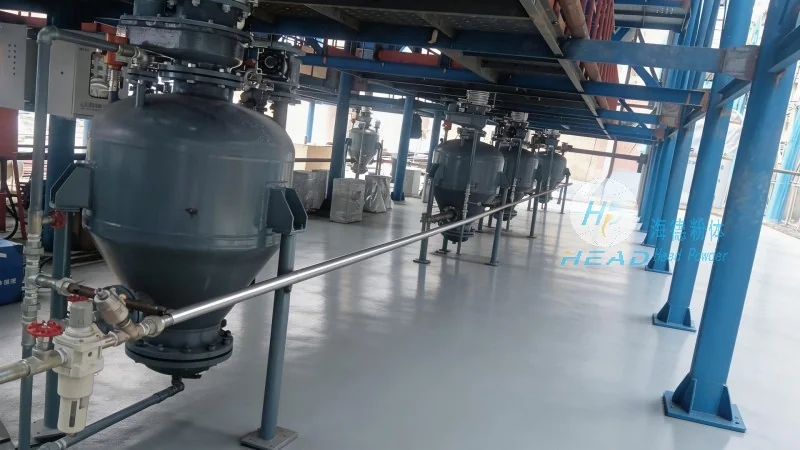
- Low Contamination Risk: The enclosed pipeline system minimizes exposure to external contaminants, preserving the purity of anode materials.
- High Efficiency and Capacity: Advanced air flow control and system design enable high-volume transport with minimal energy consumption.
- Flexibility in Layout: Pneumatic systems can be easily integrated into existing production lines, accommodating various facility layouts and distances.
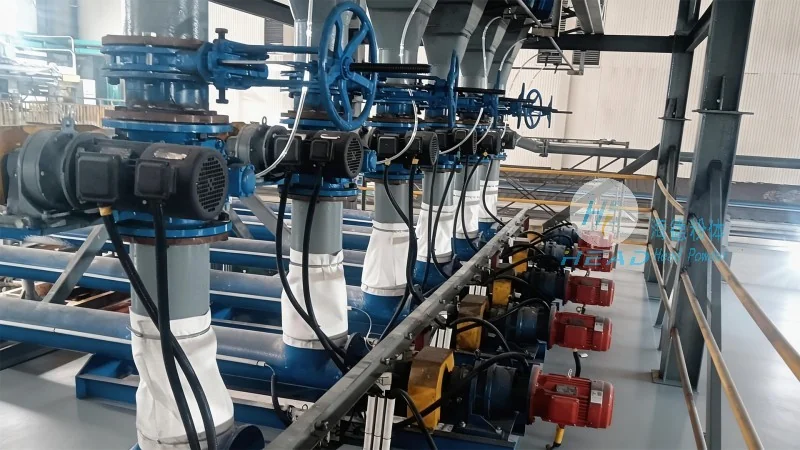
- Reduced Downtime: The robust design and maintenance-friendly components ensure reliable operation, reducing production interruptions.
Application Examples in Battery Manufacturing
HeadPowder's pneumatic conveying solutions are widely used in the battery manufacturing process, from raw material handling to the final assembly stage. For instance, in the production of lithium-ion batteries, anode materials are conveyed from storage silos to mixing and coating units. The company's systems ensure that these materials are transported without agglomeration or degradation, maintaining the quality of the final battery components.
Conclusion
In summary, while various anode material conveying methods exist, pneumatic conveying offers significant advantages in terms of efficiency, contamination control, and flexibility. Shandong HeadPowder Engineering Co., Ltd. leverages its expertise to provide customized pneumatic conveying solutions that meet the demanding requirements of the battery industry. By choosing HeadPowder's systems, manufacturers can enhance their production processes, improve product quality, and achieve greater operational efficiency.




