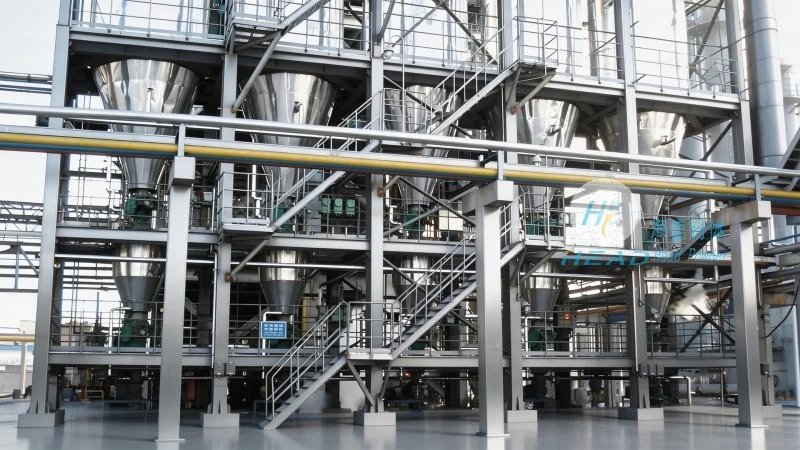
Positive pressure pneumatic conveying systems are a critical component in modern material handling and processing industries. These systems are designed to transport bulk materials from one location to another using compressed air or other gases as the driving force. The core concept involves creating a positive pressure environment within the conveying line, which ensures that material is continuously pushed forward rather than pulled by suction, as in negative pressure systems.
Understanding the Core Function of Positive Pressure Conveying
At its essence, a positive pressure system operates by generating a higher pressure inside the conveyor than the ambient air pressure outside. This pressure differential propels the material through the pipeline. The system typically includes a material feed hopper, a positive displacement blower or compressor, and a series of pipes that connect the feed point to the discharge point. The material is introduced into the system at the feed hopper, where it is then entrained by the moving air stream and transported through the pipeline. This method is particularly effective for handling dry, free-flowing powders and granules, as well as some bulk solids that may be prone to bridging or caking in traditional conveying methods.
Key Design Principles of Positive Pressure Systems
The design of a positive pressure pneumatic conveying system is governed by several critical principles that ensure efficient and reliable operation. First, the system must maintain a consistent pressure throughout the conveying line to prevent material backflow or blockages. This is achieved through the use of appropriately sized pipes, valves, and pressure regulators. Second, the velocity of the air within the pipeline is a key factor. The air velocity must be sufficient to keep the material suspended and prevent it from settling or depositing on the pipe walls. Typically, air velocities range from 20 to 40 meters per second for most powders, though this can vary based on the material's properties, such as particle size and density. Third, the system must incorporate adequate filtration and separation mechanisms to prevent material from escaping or contaminating the air stream. This includes cyclone separators, filters, and dust collection systems, which are essential for maintaining air quality and preventing material loss.
Components and Their Roles in the System
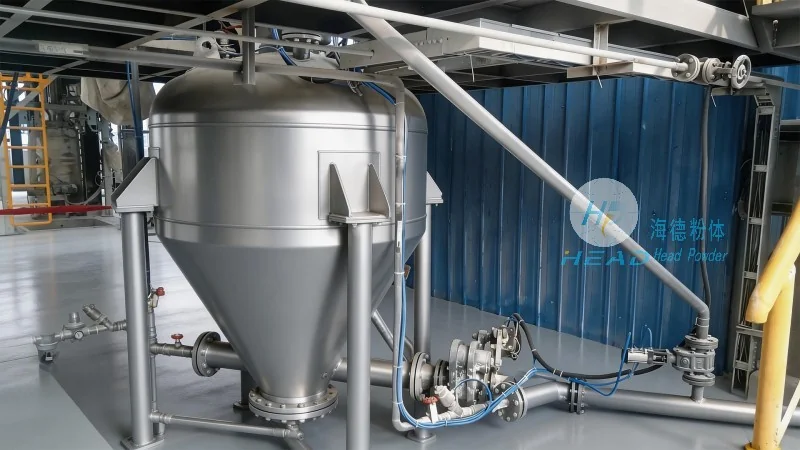
Several key components work together to ensure the smooth operation of a positive pressure conveying system. The material feed hopper is the starting point, where bulk material is stored and fed into the system. It often includes a feeder mechanism, such as a rotary valve or a screw feeder, to control the flow rate of the material. The positive displacement blower or compressor is the heart of the system, providing the necessary pressure and airflow to move the material. This component is typically chosen based on the system's required pressure and flow rate, with options including rotary lobe blowers, roots blowers, or piston compressors. The conveying pipeline is another critical component, made from materials like stainless steel or PVC to withstand the pressure and resist corrosion from the conveyed material. The pipeline is usually arranged in a loop or straight line, depending on the layout of the facility. At the discharge end, the system includes a receiver or silo where the material is collected. This may include a dust filter or a venturi scrubber to ensure that any residual material is captured before the air is released to the atmosphere.
Advantages and Applications of Positive Pressure Conveying
Positive pressure pneumatic conveying systems offer several advantages over other material handling methods. One of the primary benefits is their ability to transport materials over long distances and through multiple levels or turns without the need for complex mechanical components. The system is also relatively compact and can be integrated into existing facilities with minimal disruption. Additionally, positive pressure systems are well-suited for handling materials that are difficult to convey using traditional methods, such as fine powders that are prone to caking or materials that are sensitive to moisture. These systems are commonly used in industries such as pharmaceuticals, food processing, chemical manufacturing, and mining, where the transport of bulk materials requires high levels of cleanliness and efficiency.
Considerations for Design and Installation
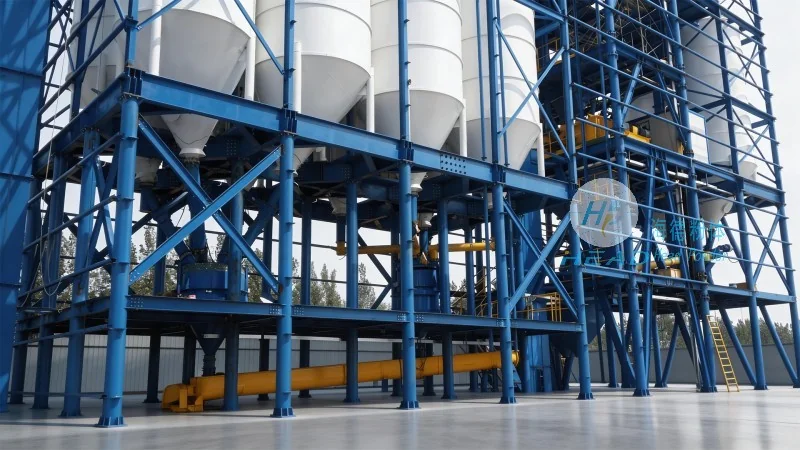
When designing and installing a positive pressure conveying system, several factors must be carefully considered to ensure optimal performance. The first consideration is the material properties of the bulk material being conveyed. Factors such as particle size, density, moisture content, and flowability will influence the system's design, including the required air velocity, pressure, and pipe size. Second, the layout of the facility and the distance between the feed and discharge points are critical. The system must be sized to handle the required flow rate and pressure drop over the entire conveying distance. Third, the system must be equipped with appropriate safety features, such as pressure relief valves and explosion-proof components, especially when handling flammable or explosive materials. Finally, regular maintenance is essential to ensure the system operates efficiently and safely. This includes cleaning the filters, checking for leaks, and inspecting the components for wear and tear.
Conclusion: The Importance of Proper Design and Implementation
In conclusion, positive pressure pneumatic conveying systems are a highly effective and versatile method for transporting bulk materials. Their design principles, which focus on maintaining consistent pressure, controlling air velocity, and incorporating proper filtration, ensure reliable and efficient operation. The components of the system, including the feed hopper, blower, and pipeline, work together to achieve these goals. The advantages of these systems, including their ability to handle difficult materials and their compact design, make them a popular choice in many industries. However, successful implementation requires careful consideration of material properties, facility layout, and safety requirements. By adhering to these principles, companies can ensure that their positive pressure conveying systems operate at peak performance, delivering reliable and efficient material transport for years to come.




