When it comes to the safe and efficient transportation of sodium dithionite, commonly known as "insurance powder," selecting the right conveying method is crucial. This article explores various conveying options available for this chemical, with a focus on the benefits and characteristics of pneumatic conveying systems. The information provided is based on the expertise of Shandong HeadPowder Engineering Co., Ltd., a leading manufacturer and supplier based in China.
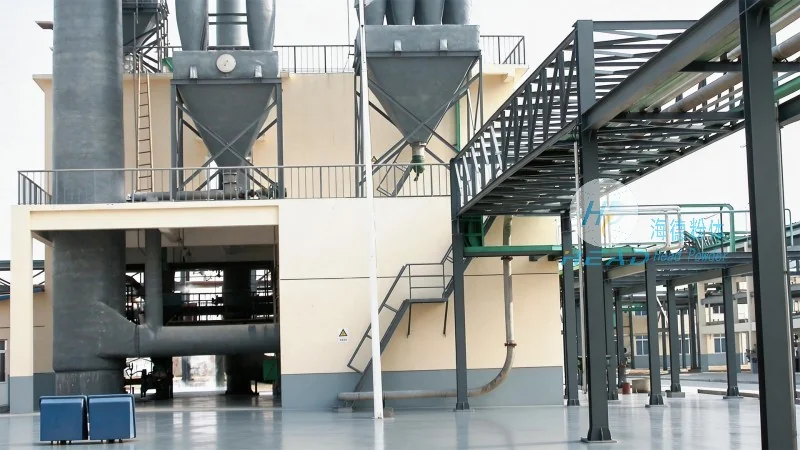
Understanding the Importance of Proper Conveying for Sodium Dithionite
Sodium dithionite is a highly reactive chemical used in various industrial applications, including textile processing, bleaching, and water treatment. Due to its sensitivity to moisture and the need for controlled handling, the choice of conveying method significantly impacts the overall efficiency and safety of the process. Traditional methods like belt and screw conveyors may not always be suitable for handling this delicate material, as they can cause degradation or contamination. Therefore, specialized systems are often required to ensure the material is transported without compromising its quality or integrity.
Common Conveying Methods for Sodium Dithionite
Several methods are employed for the transportation of sodium dithionite, each with its own set of advantages and limitations. The primary options include mechanical conveyors, such as belt and screw conveyors, and pneumatic conveying systems. Mechanical conveyors are generally used for bulk materials and can handle larger quantities with lower initial costs. However, they may not be ideal for fine powders or materials that are prone to dust generation. In contrast, pneumatic conveying offers a more controlled and hygienic approach, making it particularly suitable for sodium dithionite.
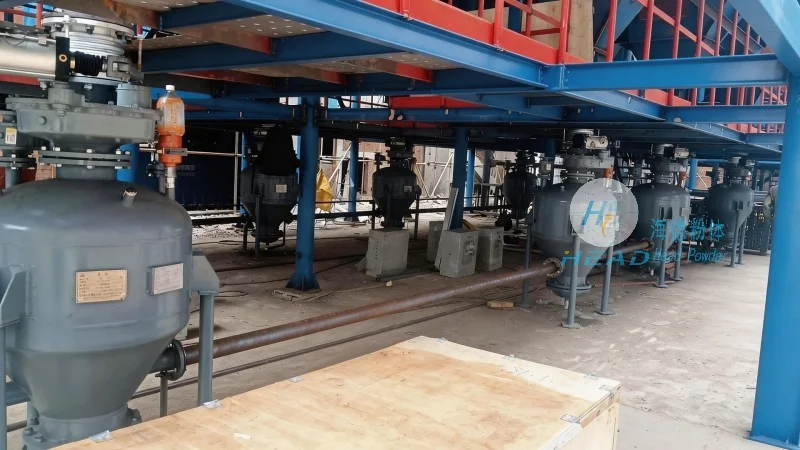
Pneumatic Conveying: The Preferred Method for Sodium Dithionite
Pneumatic conveying, also known as air-pneumatic transport, utilizes compressed air to move the material through a pipeline system. This method is highly effective for sodium dithionite due to its ability to handle fine powders and minimize dust exposure. The system typically consists of a hopper, a feeder, a conveying line, and a receiver. The material is fed into the system and transported by the air flow, which can be either positive or negative pressure, depending on the application. One of the key advantages of pneumatic conveying is its ability to maintain the material's purity and prevent contamination from external sources. This is particularly important for sodium dithionite, which is sensitive to moisture and other environmental factors.
Key Advantages of Pneumatic Conveying for Sodium Dithionite
Shandong HeadPowder Engineering Co., Ltd. specializes in the design and implementation of pneumatic conveying systems tailored to the specific needs of sodium dithionite applications. The advantages of this method include:
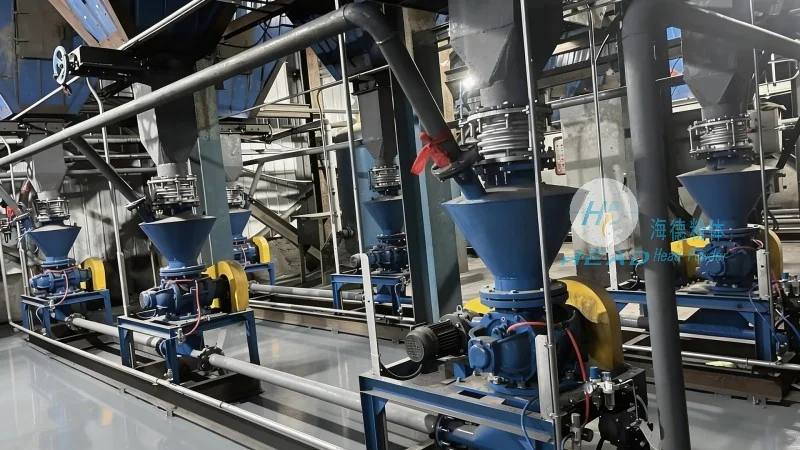
- Hygienic and Clean Operation: Pneumatic systems minimize direct contact with the material, reducing the risk of contamination and ensuring compliance with industry standards.
- Efficient Material Handling: The system can handle both bulk and fine powders, allowing for consistent and reliable transportation without the need for additional equipment.
- Reduced Downtime and Maintenance: With fewer moving parts compared to mechanical conveyors, pneumatic systems experience lower maintenance requirements and longer operational lifespans.
- Customizable System Design: Pneumatic conveying systems can be tailored to specific production requirements, including varying flow rates and material characteristics.
Features of Pneumatic Conveying Systems for Sodium Dithionite
The features of pneumatic conveying systems designed for sodium dithionite include:
- Low Dust Emission: Advanced filtration and sealing systems are integrated to minimize dust generation and ensure a safe working environment.
- Temperature Control: Some systems incorporate temperature control mechanisms to prevent moisture absorption and maintain the material's stability.
- Integrated Hopper and Feeder: The system often includes a hopper with a feeder to ensure a consistent flow of material, preventing blockages and ensuring smooth operation.
- Receiver and Storage: The receiving end of the system can be equipped with a storage tank or silo to facilitate further processing or distribution.
Conclusion: Choosing the Right Conveying Method for Sodium Dithionite
For industries dealing with sodium dithionite, selecting the appropriate conveying method is essential to ensure operational efficiency, material integrity, and safety. While mechanical conveyors may be suitable for some applications, pneumatic conveying offers superior advantages in terms of hygiene, efficiency, and control. Shandong HeadPowder Engineering Co., Ltd. provides comprehensive solutions for pneumatic conveying systems, ensuring that clients can optimize their sodium dithionite handling processes. By leveraging the expertise and experience of this company, businesses can enhance their production capabilities and maintain the highest standards of quality in their operations.




