

What is a Thermoplastic Polyurethane Material Conveying Line? And What Are Its Design Principles?
Thermoplastic polyurethane (TPU) material conveying lines are advanced industrial systems engineered to handle and transport various materials efficiently. These lines are particularly valuable in industries where material flexibility, durability, and consistent performance are critical. Understanding the components and design principles behind such systems is essential for optimizing material handling processes and ensuring operational efficiency.
Introduction to Thermoplastic Polyurethane Material Conveying Lines
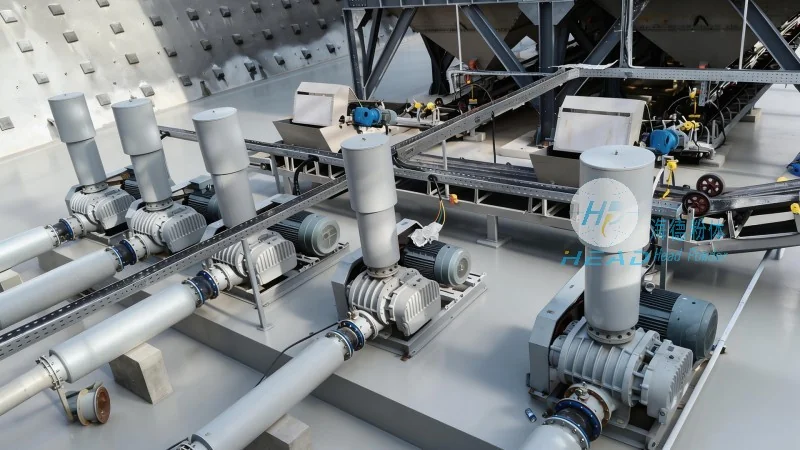
Thermoplastic polyurethane is a versatile polymer known for its excellent abrasion resistance, flexibility, and ability to maintain performance under varying temperatures. When integrated into a material conveying line, TPU components enhance the system's ability to handle a wide range of materials, including powders, granules, and other bulk materials. The design of these conveying lines is tailored to meet specific operational requirements, such as material type, flow rate, and environmental conditions. By leveraging TPU's unique properties, manufacturers can develop conveying systems that are both robust and adaptable.
Key Components of a Thermoplastic Polyurethane Material Conveying Line
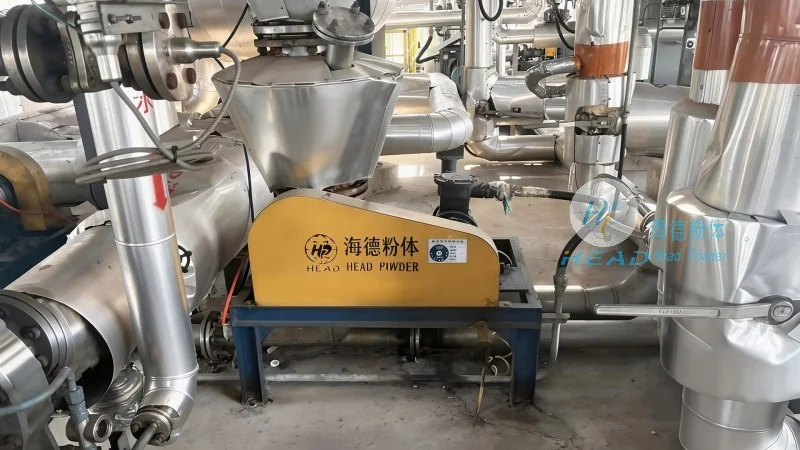
The core components of a TPU material conveying line typically include feeders, conveyors, and control systems. Each component plays a crucial role in the overall functionality of the system. Feeders are responsible for uniformly distributing the material into the conveyor, ensuring consistent flow rates. Conveyors, often made from TPU or compatible materials, transport the material through the system. Control systems manage the speed, direction, and other operational parameters to maintain optimal performance. The integration of these components ensures that the conveying line operates smoothly and reliably.
Design Principles for Thermoplastic Polyurethane Material Conveying Lines
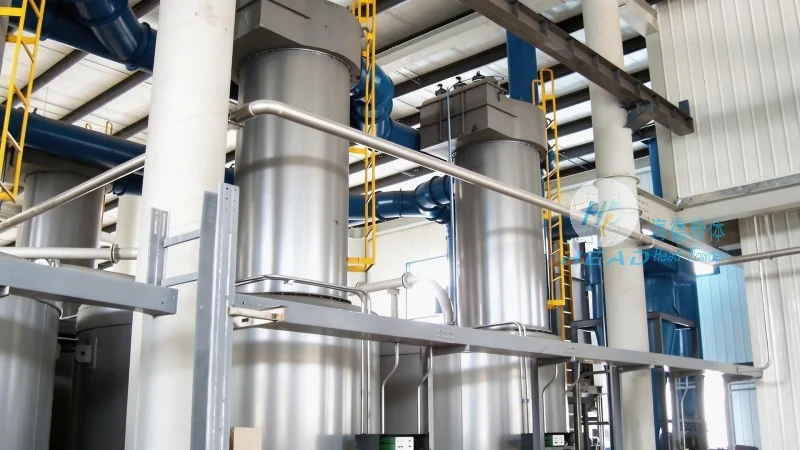
The design of a TPU material conveying line is guided by several key principles aimed at maximizing efficiency and durability. First, the system must be designed to handle the specific characteristics of the material being conveyed, such as particle size, moisture content, and abrasiveness. This involves selecting appropriate TPU materials with suitable hardness and elasticity. Second, the design must consider the operational environment, including temperature fluctuations and exposure to chemicals or moisture. TPU's resistance to these factors makes it an ideal choice for harsh conditions. Third, the system's layout and components must be optimized for minimal energy consumption and maximum throughput. This includes selecting efficient conveyor types, such as belt conveyors or screw conveyors, and ensuring proper alignment and maintenance. By adhering to these design principles, manufacturers can develop conveying lines that are both effective and cost-efficient.
Applications and Benefits of Thermoplastic Polyurethane Material Conveying Lines
Thermoplastic polyurethane material conveying lines find applications in various industries, including food processing, pharmaceuticals, and chemical manufacturing. In the food industry, TPU components ensure compliance with hygiene standards and resistance to cleaning agents. In pharmaceuticals, the material's biocompatibility and ability to maintain product integrity are critical. The benefits of using TPU in conveying lines include improved material handling efficiency, reduced downtime due to wear and tear, and enhanced product quality. Additionally, TPU's flexibility allows for easy integration into existing production lines, minimizing the need for extensive modifications. These advantages make TPU material conveying lines a preferred choice for industries requiring reliable and durable material transport solutions.
Conclusion
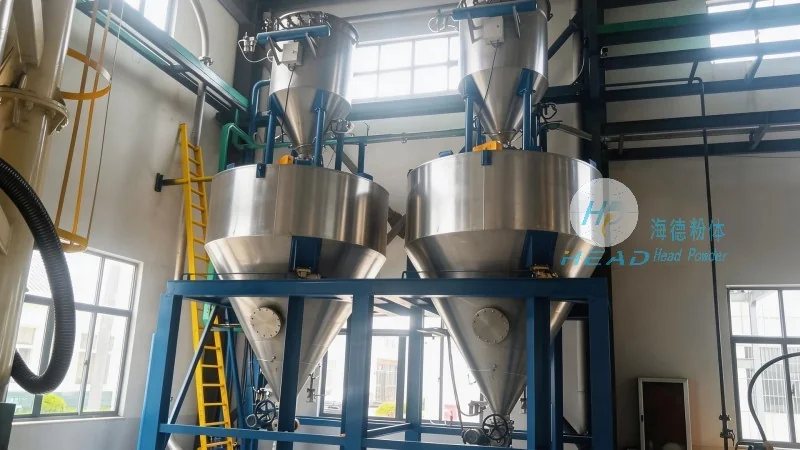
In conclusion, thermoplastic polyurethane material conveying lines represent a sophisticated solution for efficient material handling. The design principles and components of these systems are carefully engineered to leverage TPU's unique properties, ensuring optimal performance in diverse industrial applications. By understanding the design and functionality of these lines, businesses can enhance their operational efficiency and product quality. As technology advances, the integration of advanced materials like TPU will continue to play a vital role in improving material transport systems across various industries.