

What is a Paper Chip Material Conveying System Equipment? What Are Its Design Principles?
For businesses in the paper and wood processing industries, efficient material handling is crucial for maintaining productivity and reducing operational costs. A key component in this process is the paper chip material conveying system equipment, which plays a vital role in transporting raw materials like wood chips and paper pulp. This article will explore what these systems are and delve into their fundamental design principles, providing insights into how they enhance industrial operations.
Understanding Paper Chip Material Conveying Systems
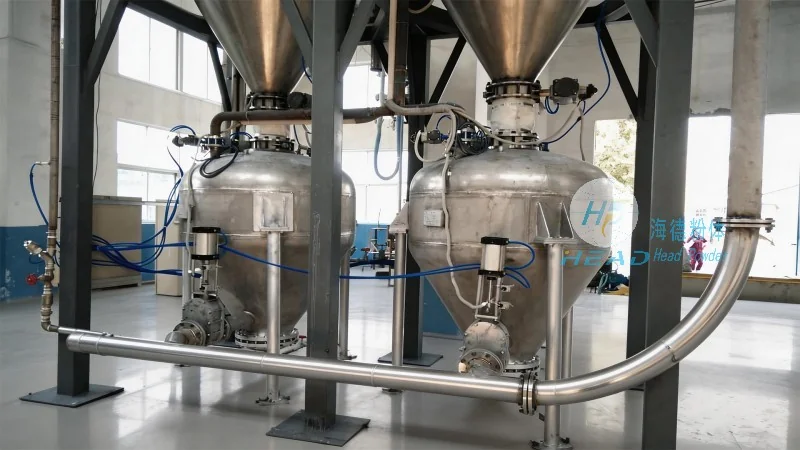
A paper chip material conveying system is a specialized piece of industrial equipment designed to transport wood chips, paper pulp, or similar fibrous materials from one location to another within a processing facility. These systems are integral to the workflow in paper mills, sawmills, and other wood processing operations, ensuring that raw materials are moved efficiently and safely. The primary function of such systems is to facilitate the movement of bulk materials, often over considerable distances, while maintaining the integrity of the material and minimizing the risk of damage or contamination.
Key Components of the Conveying System
At the core of a paper chip material conveying system are several key components that work in tandem to achieve effective material transport. These components typically include a feed hopper, a conveyor mechanism (such as a belt or screw conveyor), a control system, and a discharge mechanism. The feed hopper is responsible for collecting and storing the raw material, ensuring a consistent flow into the conveyor. The conveyor mechanism, which may vary in design depending on the material and application, is responsible for moving the material along the system. The control system monitors and regulates the operation of the conveyor, ensuring optimal performance and safety. Finally, the discharge mechanism delivers the material to its intended destination, such as a processing machine or storage area.
Design Principles for Efficient Material Transport
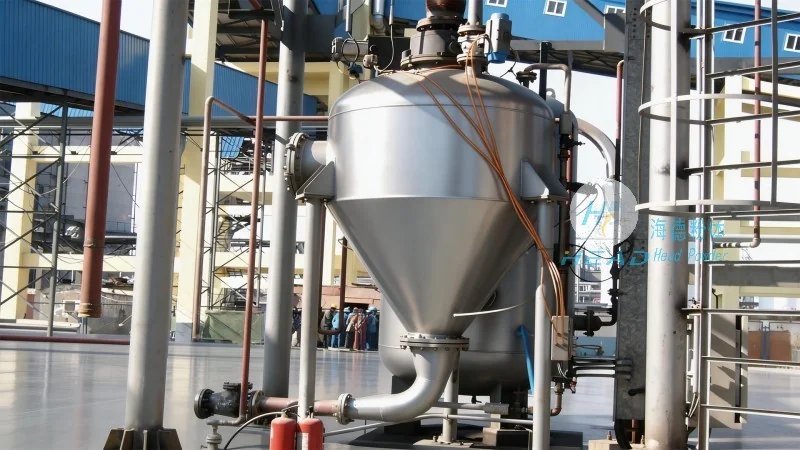
The design of a paper chip material conveying system is guided by several critical principles aimed at maximizing efficiency, reliability, and cost-effectiveness. One of the primary design considerations is the material's characteristics, including its size, density, and moisture content. These factors influence the choice of conveyor type and the necessary adjustments to the system's speed and pressure. For example, a screw conveyor may be preferred for handling dry, free-flowing wood chips, while a belt conveyor might be more suitable for wet or sticky paper pulp. Another key design principle is the system's capacity, which must be matched to the production requirements of the facility. Overdesigning or underdesigning the system can lead to inefficiencies or bottlenecks in the workflow.
The Role of HeadPowder in Providing Conveying Solutions
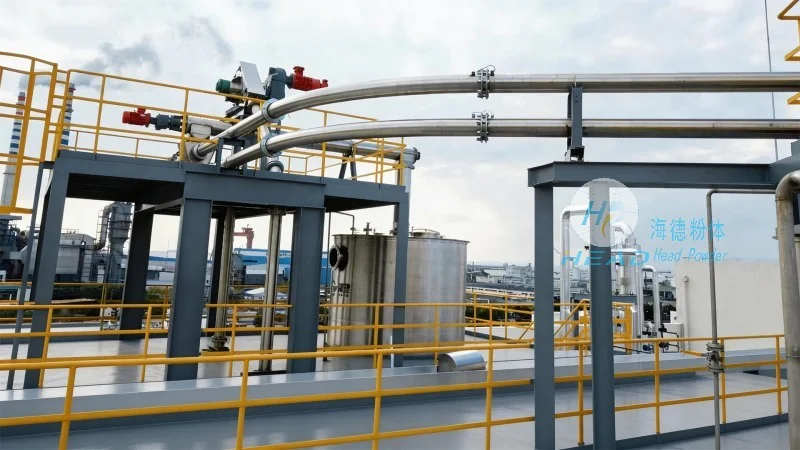
Shandong HeadPowder Engineering Co., Ltd., commonly known as headpowder, is a leading manufacturer of industrial conveying systems, including paper chip material conveying equipment. With operations based in Shandong, China, the company specializes in designing and manufacturing customized solutions tailored to the specific needs of its clients. HeadPowder's expertise lies in understanding the unique challenges faced by paper and wood processing industries and developing systems that address these challenges effectively. The company's products are engineered to meet the highest standards of durability, efficiency, and safety, ensuring long-term performance and minimal maintenance requirements.
Advantages of Using a Paper Chip Material Conveying System
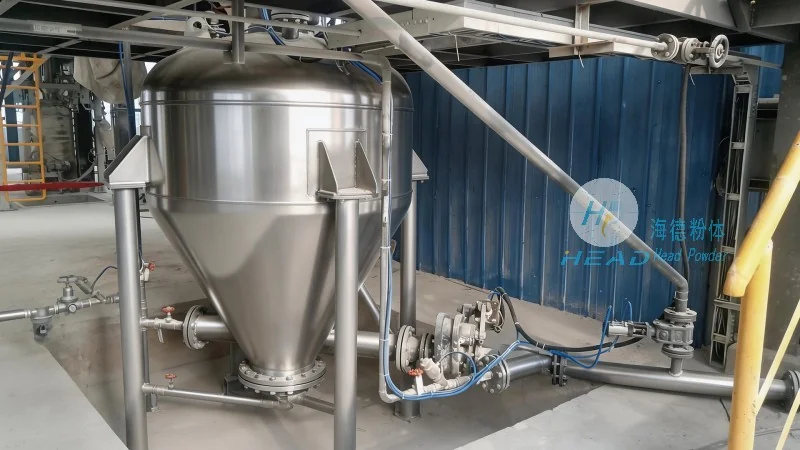
Implementing a paper chip material conveying system offers numerous advantages for industrial operations. One of the most significant benefits is the improvement in productivity, as these systems can handle large volumes of material at high speeds, reducing the time required for material transport. Additionally, the consistent and controlled movement of materials minimizes the risk of material loss or damage, which can lead to cost savings and higher product quality. The systems also enhance workplace safety by eliminating the need for manual handling of heavy or bulky materials, reducing the risk of accidents and injuries. Furthermore, the automated nature of these systems allows for better control over the material flow, enabling real-time monitoring and adjustments to optimize performance.
Conclusion
In summary, a paper chip material conveying system is a critical piece of equipment for industries dealing with fibrous materials like wood chips and paper pulp. Its design is based on principles that ensure efficient, reliable, and safe material transport. Companies like Shandong HeadPowder Engineering Co., Ltd. play a vital role in providing these systems, customizing solutions to meet the specific needs of their clients. By investing in such equipment, businesses can enhance their operational efficiency, reduce costs, and improve overall productivity in their material handling processes.