

What is a Molybdenum Concentrate Material Handling System? What are its Design Principles?
Molybdenum concentrate material handling systems are critical components in industrial operations that process and transport molybdenum concentrate, a valuable mineral used in various high-tech and industrial applications. These systems are designed to efficiently move the fine, often abrasive molybdenum concentrate from processing points to storage or further processing facilities. The design of such systems must address several key challenges, including material flow control, equipment durability, and energy efficiency, to ensure optimal performance and cost-effectiveness.
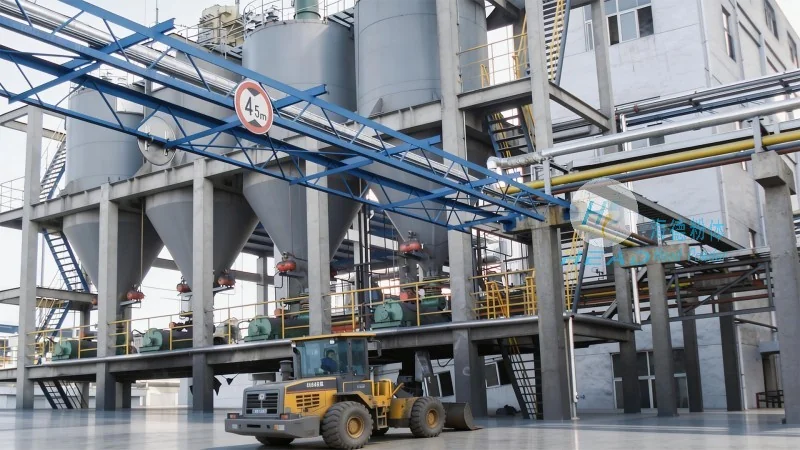
Key Design Principles for Molybdenum Concentrate Handling
The design of a molybdenum concentrate material handling system is governed by several fundamental principles that ensure safety, efficiency, and reliability. First, the system must be tailored to the specific physical properties of molybdenum concentrate, which includes its particle size distribution, moisture content, and abrasiveness. This requires the selection of appropriate equipment such as conveyors, feeders, and storage silos that can handle the material without causing excessive wear or blockages. Second, the system must maintain a consistent flow rate to prevent material buildup or bottlenecks, which can lead to process inefficiencies or equipment damage. This is often achieved through the use of variable speed drives and level sensors that adjust the flow based on real-time conditions. Third, the design must prioritize safety, incorporating features like dust suppression systems, explosion-proof components, and proper ventilation to protect operators and the environment. Finally, energy efficiency is a critical consideration, as the operation of material handling systems can account for a significant portion of overall energy consumption in a processing plant. Advanced designs incorporate energy-saving technologies like variable frequency drives and optimized conveyor layouts to reduce operational costs.
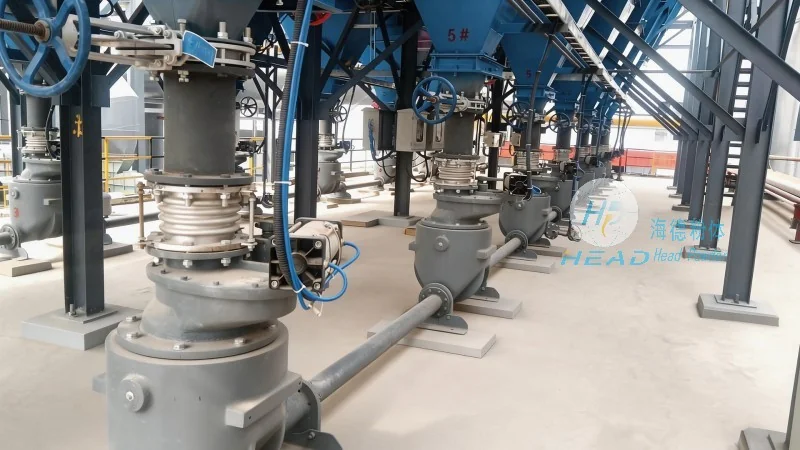
Components of a Typical Molybdenum Concentrate Material Handling System
A typical molybdenum concentrate material handling system consists of several interconnected components that work together to achieve the desired material transport. The primary components include feeders, conveyors, storage silos, and transfer points. Feeders, such as rotary or vibratory feeders, are used to regulate the flow of material from the processing plant to the conveyor system. These feeders ensure a consistent feed rate, preventing overloading of the conveyor and reducing the risk of blockages. Conveyors, often belt or screw conveyors, are the core of the system, responsible for transporting the molybdenum concentrate over long distances. Belt conveyors are commonly used for bulk material handling due to their high capacity and ability to handle abrasive materials. Screw conveyors are suitable for smaller volumes or when vertical lifting is required. Storage silos are used to temporarily store the concentrate, providing a buffer between processing and downstream operations. These silos are typically made of durable materials like steel or concrete to withstand the abrasive nature of the material and are equipped with level indicators to monitor inventory levels. Transfer points, such as chutes or rotary valves, are used to change the direction of material flow or to introduce additional equipment like elevators or pneumatic conveyors. These components must be designed to minimize material spillage and maintain a smooth flow, which is crucial for maintaining the integrity of the material and preventing contamination.
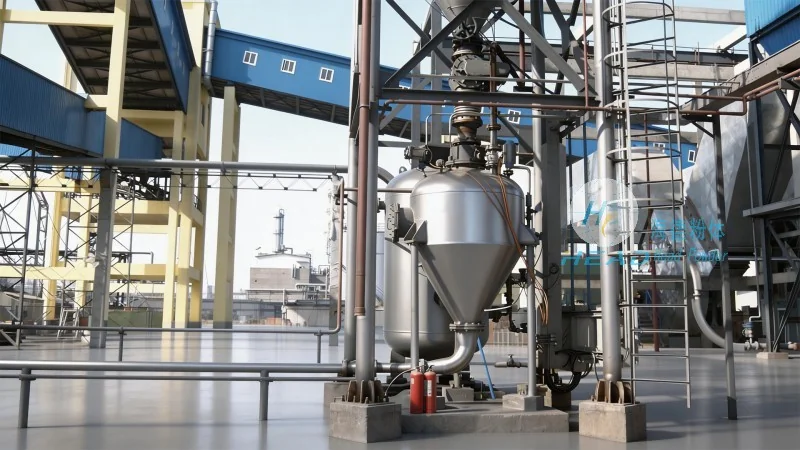
Design Considerations for Material Flow and Equipment Durability
Designing a molybdenum concentrate material handling system requires careful consideration of material flow dynamics and equipment durability. The particle size and shape of molybdenum concentrate can vary significantly, affecting how the material behaves in the system. For example, fine particles may tend to segregate or cause bridging in hoppers, while larger particles may cause excessive wear on conveyor belts or feeder components. To address these issues, engineers use computational fluid dynamics (CFD) simulations to model the material flow and identify potential bottlenecks or areas of high stress. This allows for the optimization of hopper designs, such as using conical or wedge-shaped hoppers with smooth internal surfaces to minimize material buildup. Equipment durability is another critical factor, as molybdenum concentrate is often abrasive and can cause rapid wear on metal components. Therefore, the system components are typically made from high-strength, wear-resistant materials like stainless steel, alloy steel, or even ceramic coatings. For example, conveyor belts are often reinforced with steel cords and covered with rubber or polyurethane to withstand the abrasive nature of the material. Feeders and chutes are lined with hard-wearing materials like rubber or polyurethane to reduce wear and extend their service life. Additionally, regular maintenance and inspection are essential to ensure the system operates efficiently and safely. This includes checking for wear on components, cleaning the system to remove accumulated material, and replacing worn parts before they fail. By addressing material flow and equipment durability in the design phase, the system can achieve long-term reliability and minimize downtime.
Energy Efficiency and Environmental Considerations
Energy efficiency and environmental considerations are increasingly important in the design of molybdenum concentrate material handling systems. As the cost of energy rises and environmental regulations become more stringent, manufacturers are focusing on developing systems that minimize energy consumption and reduce environmental impact. One approach to improving energy efficiency is the use of variable frequency drives (VFDs) on conveyor motors. VFDs allow the speed of the conveyor to be adjusted based on the actual material flow rate, reducing energy consumption when the system is operating at lower loads. This not only saves energy but also extends the life of the motor by reducing mechanical stress. Another strategy is to optimize the layout of the system to minimize the distance material needs to be transported. Shorter conveyor runs reduce the power required to move the material, leading to lower energy costs. Additionally, the use of energy-efficient lighting and insulation in the system can further reduce overall energy consumption. Environmental considerations are also critical, as material handling systems can generate dust and noise that may affect the surrounding environment and operator health. Dust suppression systems, such as wet scrubbers or air curtains, are often incorporated into the design to control dust emissions. These systems use water or other agents to capture dust particles, preventing them from being released into the air. Noise reduction measures, such as soundproof enclosures or vibration dampening, are also implemented to minimize noise levels. By addressing energy efficiency and environmental concerns, the system not only reduces operational costs but also contributes to a more sustainable and responsible industrial operation.
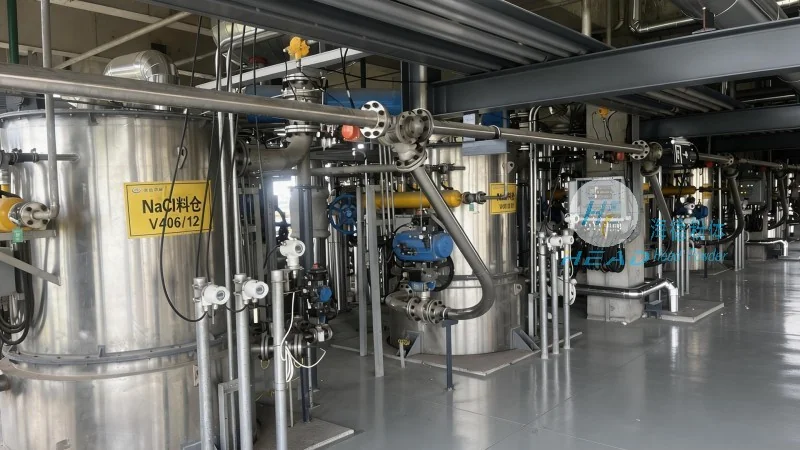
About Shandong HeadPowder Engineering Co., Ltd.
Shandong HeadPowder Engineering Co., Ltd., commonly known as headpowder, is a leading manufacturer of material handling systems for the mining and mineral processing industry. With a focus on innovation and quality, the company has established itself as a trusted partner for businesses seeking reliable and efficient solutions for handling molybdenum concentrate and other valuable minerals. Headpowder's team of experienced engineers and technicians work closely with clients to understand their specific needs and design customized systems that meet their operational requirements. The company's products are known for their durability, efficiency, and adherence to industry standards, ensuring that clients receive a high-quality solution that delivers long-term value. Headpowder is committed to providing excellent customer service and support, offering maintenance, repair, and replacement parts to ensure the continued operation of its systems. With its headquarters in Shandong, China, headpowder serves clients both domestically and internationally, helping to improve the efficiency and sustainability of industrial operations worldwide.