

What is Yellow Sand Powder Pneumatic Conveying? And What Are Its Design Principles?
Yellow sand powder pneumatic conveying is a specialized material handling technology that utilizes compressed air to transport fine powders like yellow sand through a closed pipeline system. This method offers significant advantages over traditional mechanical conveyors, including non-contact transport, reduced contamination, and the ability to maintain product integrity. Understanding the core principles and design considerations of this process is essential for industries that rely on efficient and reliable powder transport solutions.
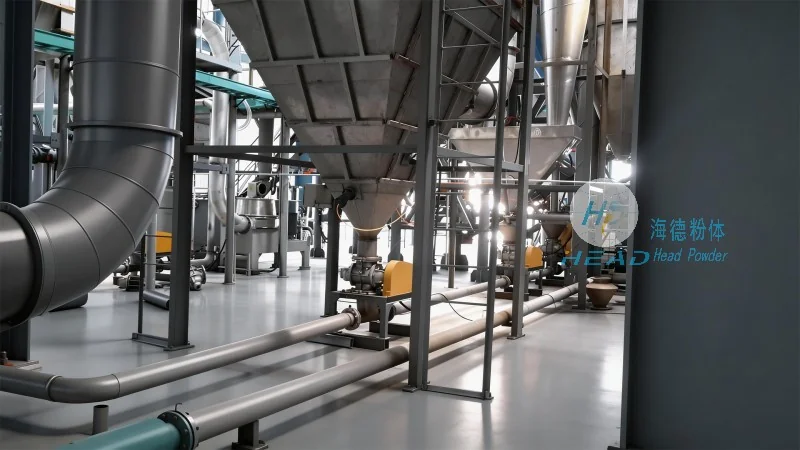
Introduction to Yellow Sand Powder Pneumatic Conveying
At its essence, yellow sand powder pneumatic conveying involves moving dry powders using air as the conveying medium. Unlike mechanical systems that rely on physical contact with the material, pneumatic transport keeps the powder and air separated, minimizing the risk of contamination and degradation. The system typically consists of a blower or compressor to generate the necessary air pressure, a hopper or feeder to store and control the flow of yellow sand, a network of pipelines to transport the material, and a receiver or discharge unit to collect the transported powder. This closed-loop design ensures that the material remains contained throughout the process, making it ideal for applications where product purity and safety are critical.
Key Components and Their Roles
The effectiveness of a yellow sand powder pneumatic conveying system hinges on several critical components, each tailored to the specific characteristics of the material and the system's requirements. The air source, often a positive displacement blower or a centrifugal compressor, provides the pressure and volume of air needed to entrain and transport the powder. The choice of air source depends on factors such as the system's capacity, the particle size and density of the yellow sand, and the desired flow rate. The feeder or hopper is responsible for regulating the material discharge, ensuring a consistent and controlled flow into the pipeline. This component may include a rotary valve or a screw feeder to maintain a steady feed rate, preventing blockages and maintaining system efficiency. The pipeline network, usually constructed from stainless steel or other corrosion-resistant materials, transports the powder-air mixture from the feeder to the discharge point. The design of the pipeline, including the number and angle of bends, is crucial to minimize pressure loss and prevent particle separation. The receiver or discharge unit, which may include a cyclone separator or a bag filter, separates the yellow sand from the air stream, ensuring efficient collection and proper air discharge.
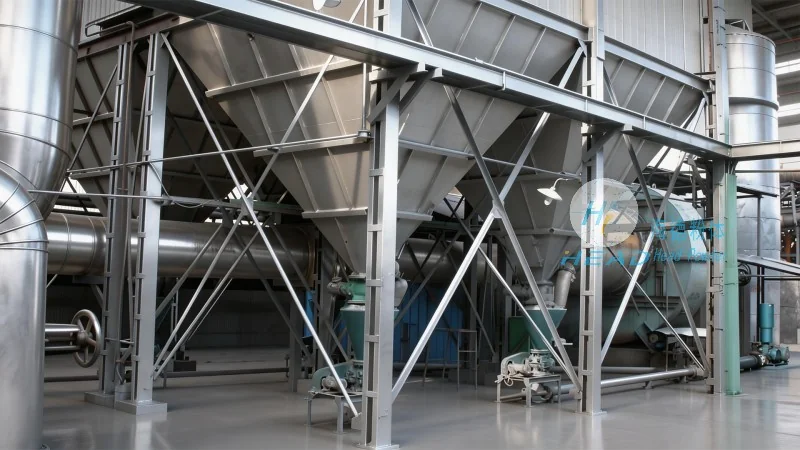
Design Principles for Optimal Performance
Designing an efficient yellow sand powder pneumatic conveying system requires adherence to several key principles to maximize performance and minimize operational issues. The first principle is the selection of the appropriate air velocity. The air velocity must be high enough to maintain the yellow sand particles in suspension but not excessively high to cause excessive wear on the pipeline or increase energy consumption. This optimal velocity is determined by the particle size, density, and flow rate of the yellow sand. The second principle is system pressure and flow rate management. The pressure must be sufficient to overcome pipeline resistance and keep the material in suspension, while the flow rate is adjusted to meet the required throughput. The third principle involves system layout and configuration. The pipeline should be designed with minimal bends and changes in direction to reduce pressure loss and prevent particle separation. The system must also account for the yellow sand's specific properties, such as moisture content, particle size distribution, and abrasiveness. The fourth principle is regular maintenance and operational monitoring. Routine maintenance, including pipeline cleaning and replacement of worn parts, is essential to ensure long-term efficiency. Continuous monitoring of air pressure, flow rate, and system performance helps identify issues early and prevent failures.
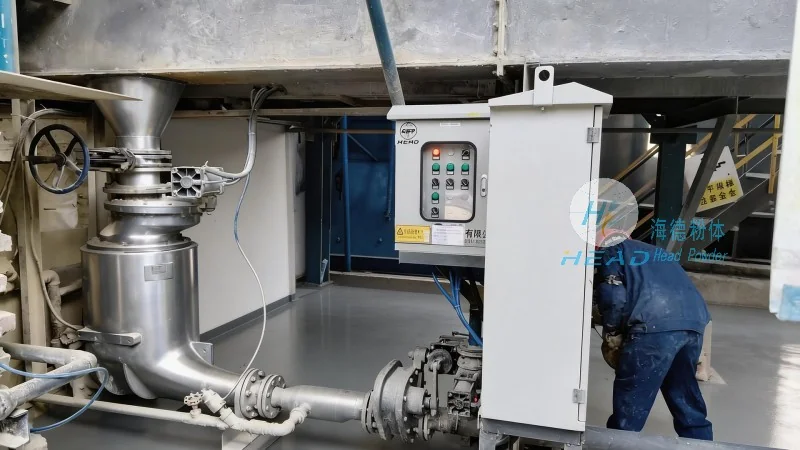
Applications and Benefits in Industrial Settings
Yellow sand powder pneumatic conveying is widely adopted across various industries due to its adaptability and efficiency. In the construction sector, it is used to transport sand and other fine powders for concrete production and road construction projects. The chemical industry utilizes this technology to handle powders like cement, lime, and other industrial chemicals. The food industry also benefits from pneumatic conveying for transporting ingredients such as flour, sugar, and other food-grade powders. The advantages of this method include reduced labor costs, enhanced workplace safety by eliminating manual handling of powders, and increased productivity through continuous operation. The closed system minimizes dust exposure and contamination risks, while the ability to integrate with other processes (e.g., mixing, packaging) streamlines production lines. Additionally, the system's flexibility allows for easy scaling to accommodate varying production demands.
Conclusion
Yellow sand powder pneumatic conveying represents a reliable and efficient solution for transporting fine powders, leveraging air as the primary medium to achieve non-contact, contaminant-free transport. The design principles and components of this system are critical to its success, requiring careful consideration of material properties, system capacity, and operational requirements. As a leading engineering company, Shandong HeadPowder Engineering Co., Ltd. specializes in designing and manufacturing customized pneumatic conveying systems that meet the unique needs of their clients. With their expertise in material handling technologies, they help industries optimize their powder transport processes, improve product quality, and enhance overall operational efficiency. By adhering to the fundamental design principles and leveraging advanced engineering solutions, industries can achieve reliable and sustainable powder handling solutions tailored to their specific applications.