

What is Titanium Dioxide Powder Pneumatic Conveying? And What Are Its Design Principles?
Titanium dioxide, commonly known as TiO₂, is a widely used white pigment and photocatalyst in various industries. The efficient and safe transportation of titanium dioxide powder is crucial for industrial processes, and pneumatic conveying is a key technology for this purpose. This article explores the concept of titanium dioxide powder pneumatic conveying and delves into its underlying design principles.
Understanding Pneumatic Conveying for Titanium Dioxide
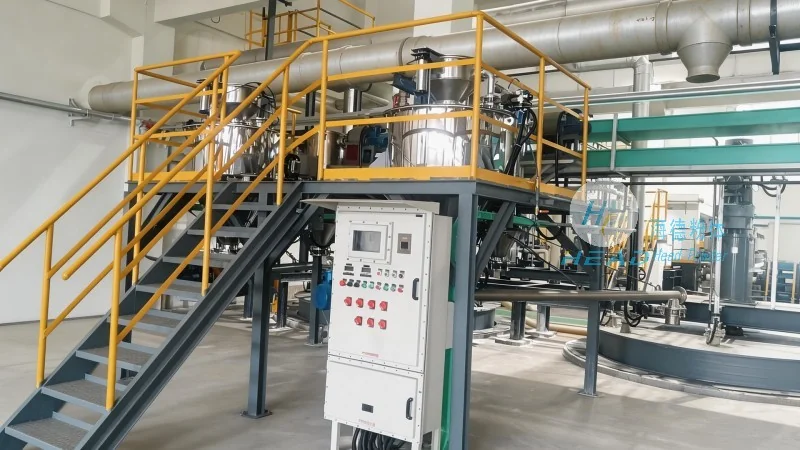
Pneumatic conveying is a method of transporting bulk materials, such as powders, through a pipeline using a gas stream, typically air. In the context of titanium dioxide powder, this technology offers several advantages over traditional methods like bucket elevators or belt conveyors. It provides a dust-free, enclosed system that minimizes product contamination and environmental impact. The process involves creating a pressure differential within the pipeline to move the powder particles along with the air flow.
Key Design Principles of Titanium Dioxide Powder Pneumatic Conveying Systems
The design of a pneumatic conveying system for titanium dioxide powder must consider several critical factors to ensure optimal performance and reliability. These principles include the selection of appropriate equipment, the control of air flow and pressure, and the management of particle characteristics. The system typically consists of a feeding device, a conveying line, a separation unit, and a collection hopper.
Equipment Selection and System Components
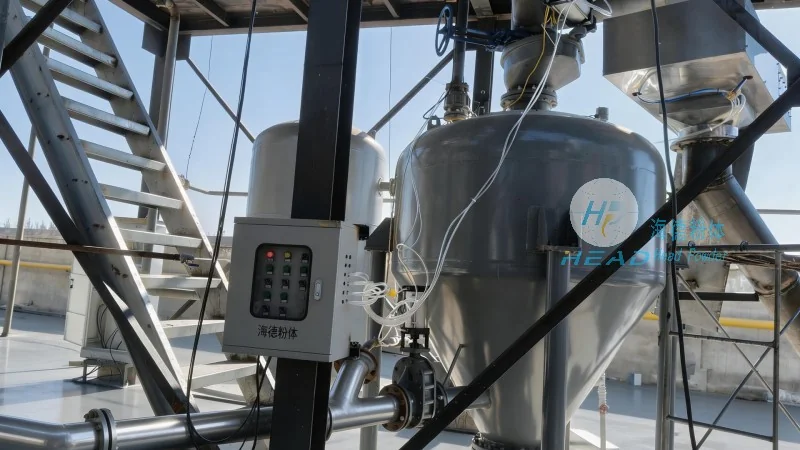
For titanium dioxide powder, the choice of equipment is vital. The feeding device, often a rotary valve or a star feeder, ensures a consistent and controlled flow of powder into the conveying line. The conveying line itself is usually made of stainless steel or other corrosion-resistant materials to handle the abrasive nature of the powder. The air compressor or blower provides the necessary pressure to move the material through the pipeline. The separation unit, such as a cyclone separator, separates the powder from the air stream, allowing the powder to be collected in a hopper. The collection hopper is designed to store the conveyed powder and may include features like a discharge valve for downstream processing.
Control of Air Flow and Pressure
Proper control of air flow and pressure is essential for the efficient operation of the pneumatic conveying system. The air velocity must be sufficient to lift and transport the titanium dioxide particles without causing excessive wear on the equipment. The pressure differential between the inlet and outlet of the system determines the conveying capacity and distance. Engineers must calculate the required air volume and pressure based on the particle size, density, and flow rate of the titanium dioxide powder. This involves considering the particle's aerodynamic properties, such as its terminal velocity and drag coefficient.
Management of Particle Characteristics
The physical properties of titanium dioxide powder, including its particle size distribution, density, and moisture content, significantly influence the design of the pneumatic conveying system. Coarser particles may require higher air velocities to be conveyed effectively, while finer particles can be more prone to clogging or agglomeration. The system must be designed to handle these variations, often incorporating features like agitators or vibration devices to prevent particle buildup and ensure smooth flow. Additionally, the moisture content of the powder can affect its flowability and the risk of caking, which must be managed through proper drying or conditioning before conveying.
Applications and Benefits in Industrial Settings
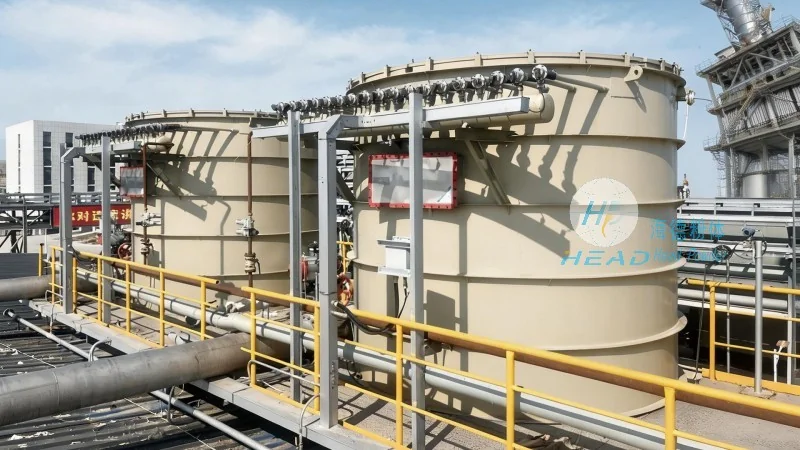
Titanium dioxide powder pneumatic conveying systems are widely used in industries such as pigments, coatings, and plastics. The technology offers several benefits, including reduced labor costs, minimized product loss, and improved safety by eliminating manual handling of powders. The enclosed system also helps in maintaining product quality by preventing contamination from external sources. In addition, the flexibility of pneumatic conveying allows for easy integration with other processing equipment, such as mixers and reactors, enabling seamless production workflows.
Conclusion
In summary, titanium dioxide powder pneumatic conveying is a sophisticated and effective method for transporting this critical industrial material. The design principles, including equipment selection, air flow control, and particle management, are crucial for ensuring the system operates efficiently and reliably. Companies like Shandong HeadPowder Engineering Co., Ltd., based in China, specialize in the design and implementation of such systems, providing tailored solutions for various industrial applications. By adhering to these design principles, industries can achieve optimal performance and maintain the high quality of titanium dioxide powder throughout the conveying process.