LiOH (Lithium Hydroxide) is a critical chemical widely used in various industries, including battery manufacturing, pharmaceuticals, and chemical processing. The efficient and safe transportation of LiOH is essential for industrial operations, and different methods are employed based on specific requirements. This article explores the common LiOH transport methods and highlights the advantages and characteristics of pneumatic conveying as a preferred solution.
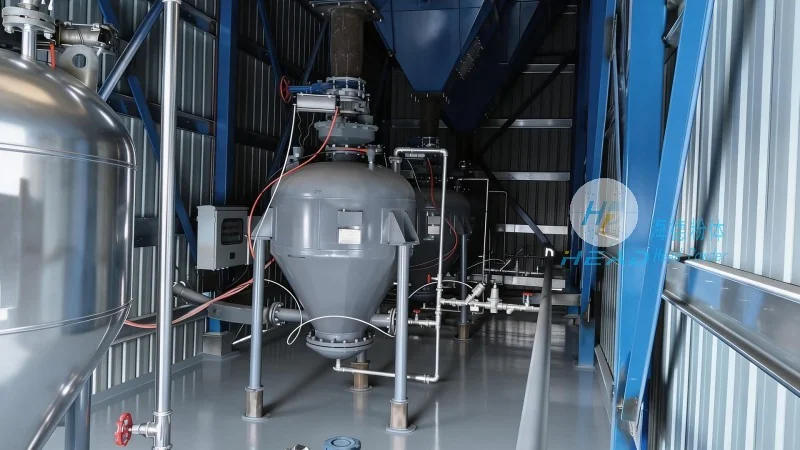
Understanding LiOH Conveying Methods
LiOH can be transported using several methods, each with its own set of applications and limitations. The primary methods include bulk handling techniques such as belt conveyors, screw conveyors, and pneumatic conveying systems. Each method offers different advantages in terms of cost, efficiency, and suitability for specific materials and operational environments.
Pneumatic Conveying: A Preferred Method for LiOH Transport
Among the various transport methods, pneumatic conveying stands out as a highly effective and versatile solution for handling LiOH. Pneumatic conveying involves the use of air or other gases to transport bulk materials through a pipeline system. This method is particularly advantageous for LiOH due to its ability to handle fine powders and provide a dust-free, enclosed transport process.
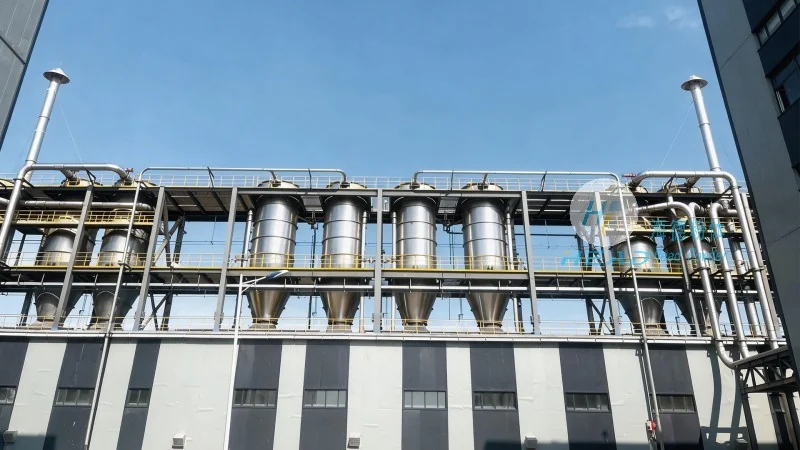
Key Advantages of LiOH Pneumatic Conveying
1. **Dust-Free and Contamination-Free Transport**: Pneumatic conveying systems are enclosed, which prevents dust and contaminants from entering the environment. This is crucial for LiOH, as it is a fine powder that can be hazardous if released into the air. The enclosed system ensures that the material remains clean and free from external pollutants.
2. **High Efficiency and Capacity**: Pneumatic conveying systems can handle large volumes of LiOH at high speeds, making them suitable for high-throughput industrial applications. The ability to transport materials over long distances without the need for intermediate storage or handling points enhances operational efficiency.
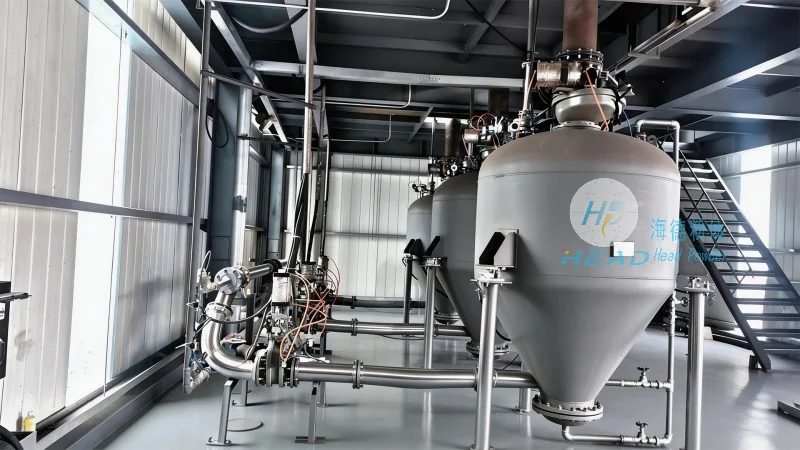
3. **Low Maintenance and Reduced Downtime**: Compared to mechanical conveyors like belt or screw conveyors, pneumatic systems have fewer moving parts, leading to lower maintenance requirements and reduced downtime. This results in cost savings and improved productivity for industrial operations.
4. **Flexibility in Layout and Integration**: Pneumatic conveying systems can be easily integrated into existing industrial layouts and can be configured to handle different material types and flow rates. The flexibility allows for customized solutions that meet specific operational needs, making them adaptable to various production environments.
Features of LiOH Pneumatic Conveying Systems
The features of LiOH pneumatic conveying systems are designed to optimize performance and safety. These systems typically include components such as a material feeder, a conveying line, a dust collector, and a control system. The material feeder ensures consistent and controlled feeding of LiOH into the system, while the conveying line transports the material to the destination. The dust collector removes any fine particles that may escape, maintaining a clean and safe environment. The control system monitors and regulates the operation of the system, ensuring smooth and efficient transport.
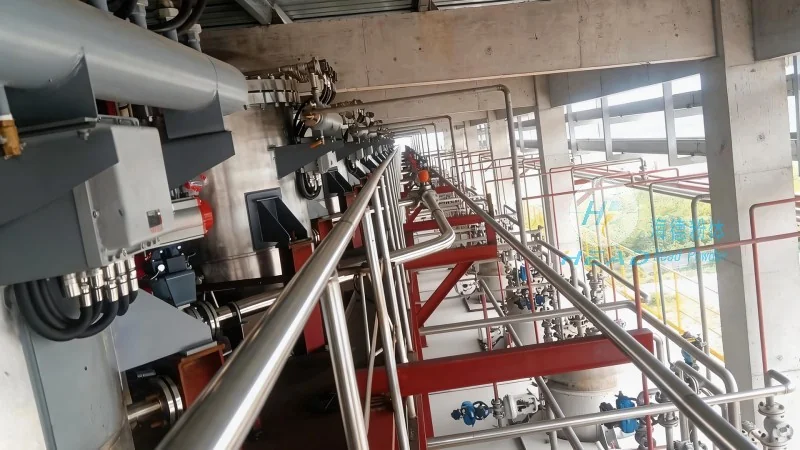
Application Examples in Industrial Settings
LiOH pneumatic conveying systems are widely used in various industrial applications. For instance, in battery manufacturing, LiOH is used as a raw material for lithium-ion batteries. The pneumatic conveying system efficiently transports LiOH from storage to the production line, ensuring a continuous and reliable supply. In pharmaceutical manufacturing, LiOH is used in the production of lithium-based drugs, and the enclosed pneumatic system prevents contamination and maintains product quality. Additionally, in chemical processing plants, LiOH is used as a reagent, and the pneumatic conveying system ensures safe and efficient handling of the material.
Conclusion
LiOH transport methods play a vital role in industrial operations, and the choice of method depends on various factors such as material properties, operational requirements, and safety considerations. Pneumatic conveying stands out as a preferred solution due to its advantages in dust-free transport, high efficiency, low maintenance, and flexibility. The systems offered by Shandong HeadPowder Engineering Co., Ltd. are designed to meet these requirements, providing reliable and efficient LiOH transport solutions for various industrial applications.




