

What is a Molybdenum Oxide Material Pneumatic Conveying System? What Are Its Design Principles?
When it comes to handling molybdenum oxide, a specialized type of pneumatic conveying system is often employed to ensure efficient and safe material transport. This system, commonly known as a molybdenum oxide material pneumatic conveying system, is designed to move this particular powder or granular material through a pipeline using air or other gas as the conveying medium. Understanding both the system's function and its underlying design principles is crucial for industries that rely on the consistent and reliable transport of molybdenum oxide.
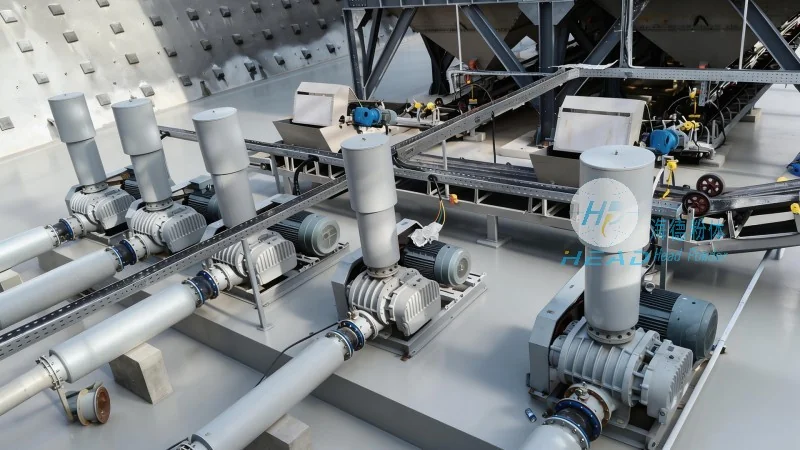
Overview of Molybdenum Oxide Pneumatic Conveying Systems
Molybdenum oxide, often used in various industrial applications such as catalysts, pigments, and chemical processes, requires careful handling due to its fine particle size and potential for dust generation. A pneumatic conveying system provides an effective solution by utilizing air pressure to move the material from one location to another without the need for mechanical components like belts or buckets. This method not only enhances safety by reducing direct human contact with the material but also improves operational efficiency by minimizing downtime and maintenance requirements.
Key Components of a Molybdenum Oxide Pneumatic Conveying System
The design of a molybdenum oxide pneumatic conveying system typically involves several critical components that work in tandem to ensure optimal performance. These components include a material feeder, which accurately meters the molybdenum oxide into the conveying line; a conveying pipeline, which may be made of materials resistant to corrosion and abrasion, such as stainless steel or specialized plastics; a blower or compressor, which generates the necessary air pressure to move the material; and a receiver or discharge hopper, where the material is collected at the destination. Additionally, the system may incorporate features like cyclones or filters to separate any entrained air from the material, ensuring a clean and efficient process.
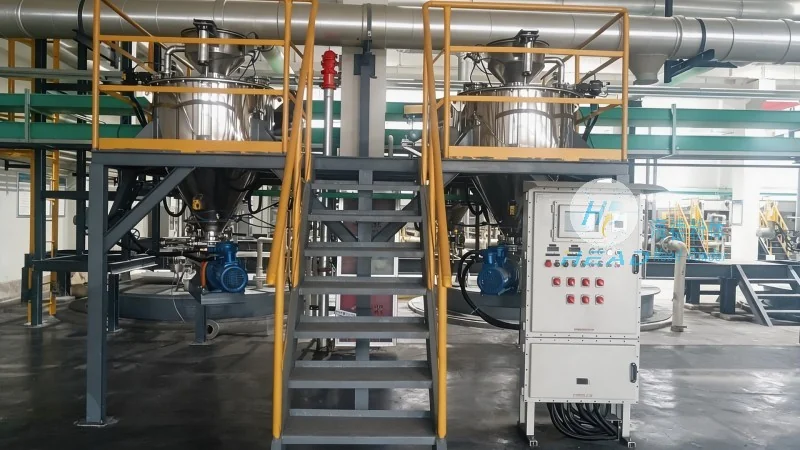
Design Principles for Molybdenum Oxide Pneumatic Conveying
The design principles for a molybdenum oxide pneumatic conveying system are centered on maintaining consistent material flow, preventing blockages, and ensuring the system operates within safe pressure and velocity limits. One of the primary design considerations is the particle size and density of the molybdenum oxide, as these factors directly impact the air velocity required for effective transport. Engineers must calculate the appropriate air velocity to achieve a "fluidized" state where the material behaves like a fluid, allowing it to move smoothly through the pipeline without settling or clogging. Another critical principle is the prevention of pressure drops, which can lead to material deposition or blockages. This is achieved through proper pipeline sizing, avoiding sharp bends or restrictions, and using appropriate air flow control mechanisms.
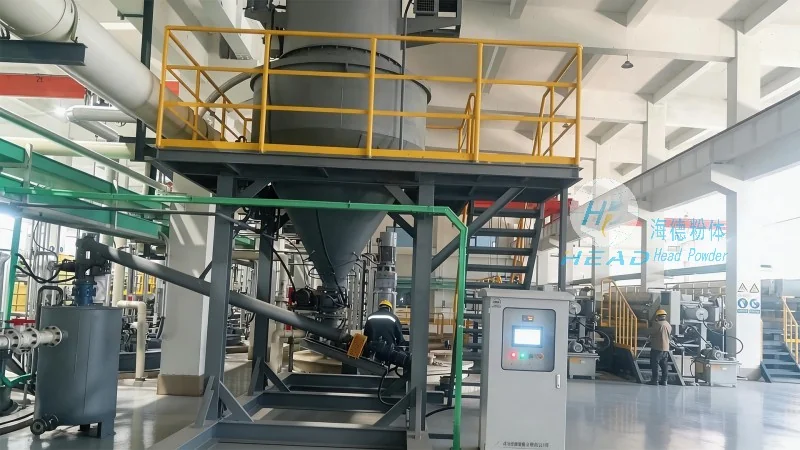
Benefits of Using a Molybdenum Oxide Pneumatic Conveying System
Implementing a molybdenum oxide pneumatic conveying system offers several advantages for industrial operations. Firstly, it provides a dust-free and enclosed environment, reducing the risk of inhalation or environmental contamination. This is particularly important for handling hazardous materials like molybdenum oxide, which can pose health risks if not managed properly. Secondly, the system allows for continuous operation, minimizing interruptions and increasing overall productivity. The enclosed nature of the system also helps in maintaining material quality by preventing contamination from external sources. Furthermore, the system's compact design and flexibility in layout make it suitable for various industrial settings, from small-scale laboratories to large-scale manufacturing plants.
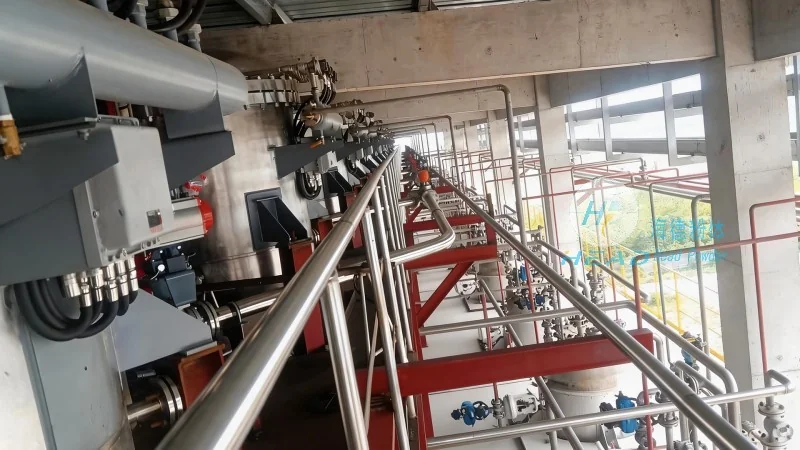
Application Examples in Industrial Settings
Molybdenum oxide pneumatic conveying systems are widely used in various industrial sectors. In the chemical industry, they are employed to transport molybdenum oxide from storage silos to reactors or processing units. In the manufacturing of catalysts, the system ensures that the oxide is delivered to the production line in a controlled manner, maintaining the quality and consistency of the final product. Additionally, in the pigment industry, the system is used to move molybdenum oxide pigments to mixing and packaging facilities. These applications highlight the versatility and reliability of the system in handling molybdenum oxide in different industrial processes.
Conclusion and Company Information
Understanding the design and operation of a molybdenum oxide material pneumatic conveying system is essential for industries that rely on the efficient transport of this valuable material. By adhering to proper design principles and utilizing high-quality components, such systems can provide reliable, safe, and efficient material handling solutions. For those seeking expert guidance or customized solutions for molybdenum oxide pneumatic conveying systems, Shandong HeadPowder Engineering Co., Ltd., a leading company based in China, offers comprehensive services tailored to meet the specific needs of industrial clients. With a focus on quality and innovation, HeadPowder provides systems that enhance operational efficiency and ensure the safe handling of molybdenum oxide in various applications.