

What is a Dry Soybean Bulk Material Pneumatic Conveying System? And What Are Its Design Principles?
The dry soybean bulk material pneumatic conveying system is a specialized equipment designed to transport soybeans in a dry state through an air-driven mechanism. This system is widely used in the agricultural and food processing industries, particularly for handling large volumes of soybeans efficiently and safely. Understanding its design principles is crucial for optimizing performance and ensuring operational efficiency.
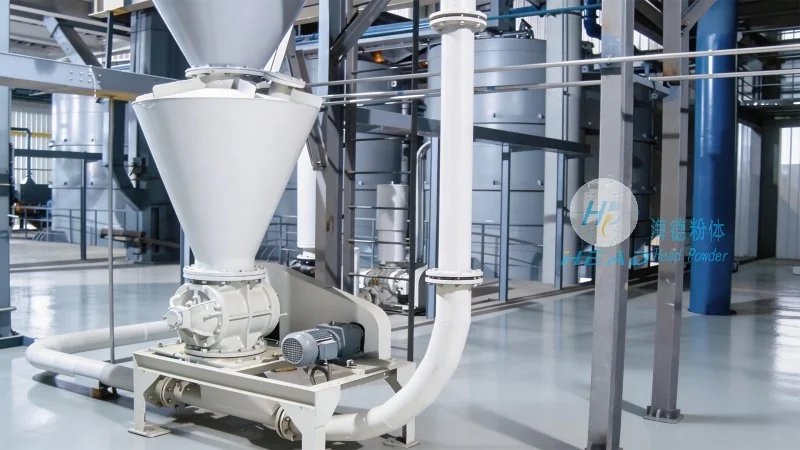
Understanding the Core Function of Pneumatic Conveying Systems for Soybeans
The primary function of this system is to move dry soybeans from one location to another without the need for mechanical contact, which helps maintain the quality and integrity of the soybeans. Unlike traditional belt or screw conveyors, pneumatic systems use air pressure to create a flow of material, reducing the risk of contamination and damage. This method is especially beneficial for delicate products like soybeans, as it prevents crushing or bruising that can occur with mechanical handling.
Key Design Principles Behind the Dry Soybean Material Conveying System
The design principles of a dry soybean material pneumatic conveying system revolve around creating a stable and efficient air-stream that can carry the soybeans through the system. Key factors include the air velocity, pressure differentials, and the size and density of the soybeans. Engineers must calculate the appropriate air volume and pressure to ensure that the soybeans are suspended and transported without clogging or excessive wear on components. The system is designed to maintain a consistent flow rate, which is critical for preventing material buildup in the pipeline and ensuring smooth operation.
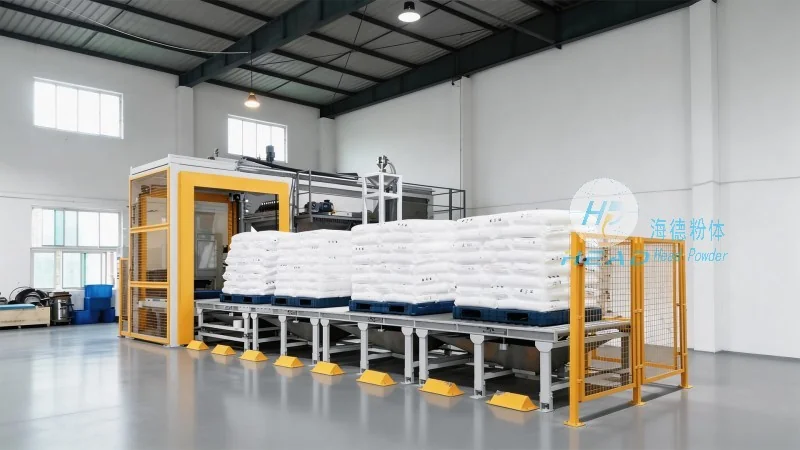
Components and Their Roles in the System
The system typically consists of several key components: a hopper for storing the soybeans, a blower or compressor to generate the air pressure, a pipeline system to guide the material, and a receiver or discharge point where the soybeans are deposited. Each component plays a critical role in the overall operation. The hopper ensures a consistent feed of soybeans, while the blower provides the necessary force to move the material through the pipeline. The pipeline design, including bends and straight sections, is optimized to minimize pressure loss and prevent material buildup. The receiver is designed to safely deposit the soybeans, often with a dust collection system to maintain air quality.
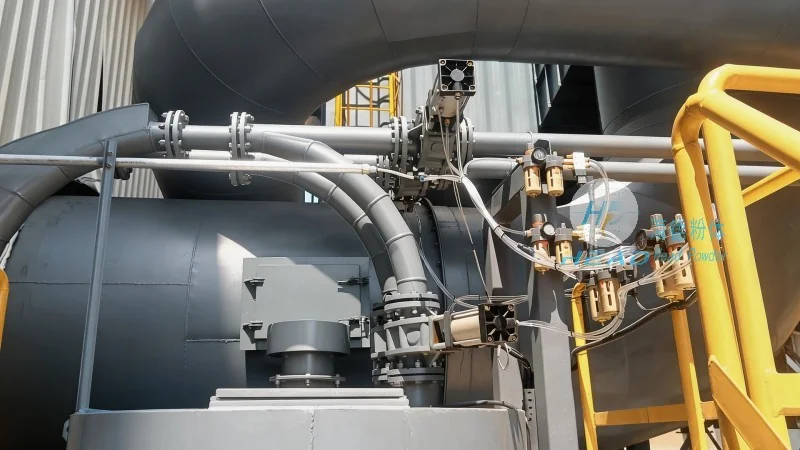
Application Scenarios and Benefits of Using Such Systems
These systems are commonly used in soybean processing plants, storage facilities, and transportation operations. The benefits include high throughput, minimal product damage, and the ability to handle large volumes with relatively low labor costs. Additionally, pneumatic conveying systems can be integrated with other processing equipment, such as cleaning or sorting machines, to create a seamless production line. This integration enhances overall efficiency and reduces the need for manual handling, which is both cost-effective and safer for workers.
Company Profile: Shandong HeadPowder Engineering Co., Ltd.
Shandong HeadPowder Engineering Co., Ltd., based in Shandong, China, specializes in the design and manufacturing of advanced material handling systems, including pneumatic conveying solutions for various bulk materials like soybeans. With years of experience in the industry, the company focuses on providing customized solutions that meet the specific needs of clients, ensuring reliability and efficiency in material transport. The company adheres to international standards and continuously invests in research and development to improve the performance and durability of its equipment. Clients benefit from the company's expertise in tailoring systems to specific applications, resulting in optimized performance and long-term operational benefits.