

What is Aluminum Foil Material Pneumatic Conveying Equipment? And What Are Its Design Principles?
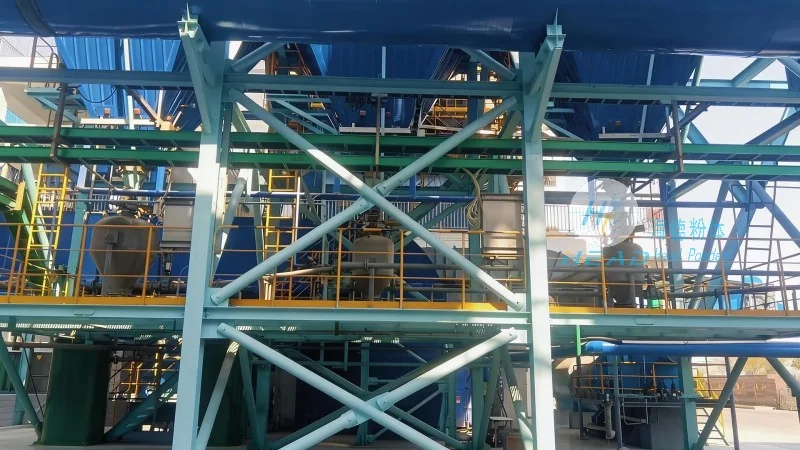
Aluminum foil material pneumatic conveying equipment is a specialized system designed to transport aluminum foil and related materials efficiently and safely. This technology is crucial in industries where aluminum foil is processed, such as packaging, manufacturing, and material handling. The equipment operates by using compressed air or other gases to move the material from one location to another, eliminating the need for traditional mechanical conveyors that may cause damage to delicate foil products. The system is engineered to handle the unique challenges posed by aluminum foil, including its lightweight nature, low density, and tendency to form fine particles or dust, which can impact system performance and material quality.
Introduction to Aluminum Foil Material Pneumatic Conveying Equipment
At Shandong HeadPowder Engineering Co., Ltd., we specialize in providing high-quality pneumatic conveying solutions tailored to the unique needs of aluminum foil processing. Our equipment is designed to maintain the integrity of the aluminum foil while ensuring efficient and reliable material transport. The core of our design focuses on minimizing material degradation, preventing contamination, and optimizing system performance. By leveraging advanced engineering and materials, our systems are built to withstand the demands of continuous operation in industrial settings.
Key Components of the Pneumatic Conveying System
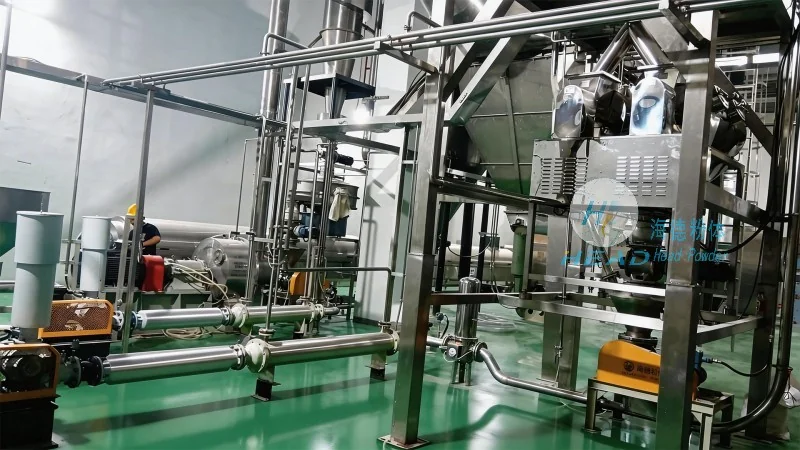
The aluminum foil material pneumatic conveying equipment typically consists of several critical components that work in concert to achieve effective material transport. These components include the air compressor or blower, which generates the necessary pressure to move the material; the hopper or feeder, which holds the aluminum foil and feeds it into the system; the conveying line, which can be either positive or negative pressure, depending on the application; and the receiver or discharge unit, which collects the material at the destination. Each component is carefully selected and designed to optimize performance and minimize downtime. For example, the air compressor is chosen based on the required air volume and pressure, while the hopper is designed to prevent material bridging and ensure consistent feeding. The conveying line may use flexible hoses or rigid pipes, depending on the distance and layout of the system, and is often equipped with filters and separators to handle any dust or particles generated during transport.
Design Principles for Efficient Aluminum Foil Conveying
The design principles of aluminum foil material pneumatic conveying equipment are centered on maximizing efficiency, minimizing material degradation, and ensuring safety. One of the primary principles is the use of low-pressure, low-velocity conveying to prevent the foil from being torn or damaged during transport. This is achieved by using appropriate air velocities and system configurations that maintain the material in a stable, non-turbulent flow. The velocity of the air is typically kept below a critical threshold to avoid excessive wear on the foil and to prevent the formation of excessive dust. Another key principle is the incorporation of filtration and separation systems to handle any dust or particles that may be generated, ensuring that the material remains clean and free from contaminants. These systems may include cyclones, bag filters, or cartridge filters, depending on the specific application and the nature of the material being conveyed.
Advantages of Using Pneumatic Conveying for Aluminum Foil
Implementing aluminum foil material pneumatic conveying equipment offers several advantages over traditional mechanical conveyors. First, it eliminates the need for physical contact between the material and the conveyor, reducing the risk of damage to the delicate foil. This is particularly important in applications where the foil is used for food packaging or pharmaceuticals, where contamination and damage are unacceptable. Second, it allows for the transport of materials over long distances without the need for multiple transfer points, improving overall system efficiency and reducing the risk of material loss or spillage. Third, the system can be easily integrated with other processing equipment, such as packaging machines or quality control systems, enhancing the overall production workflow. Additionally, pneumatic conveying systems are generally more flexible and can be adapted to changing production needs, making them a cost-effective solution for aluminum foil processing facilities. They can also be scaled up or down to accommodate varying production volumes, providing a versatile solution for businesses of all sizes.
Applications and Industries
Aluminum foil material pneumatic conveying equipment is widely used in various industries that rely on aluminum foil processing. These include the food packaging industry, where aluminum foil is used for wrapping and preserving food products such as snacks, beverages, and frozen items. The equipment ensures that the foil is transported efficiently from the production line to the packaging machines, maintaining its quality and preventing any damage that could affect the final product. In the pharmaceutical industry, aluminum foil is used for packaging medications and medical devices, and the pneumatic conveying system ensures that the foil is handled with the utmost care to prevent contamination and maintain sterility. The manufacturing industry, particularly in electronics and consumer goods, also utilizes aluminum foil for various applications, and the conveying equipment plays a critical role in moving the material to the assembly lines. In each of these applications, the equipment helps to streamline the production process and improve overall efficiency.
Maintenance and Operational Considerations
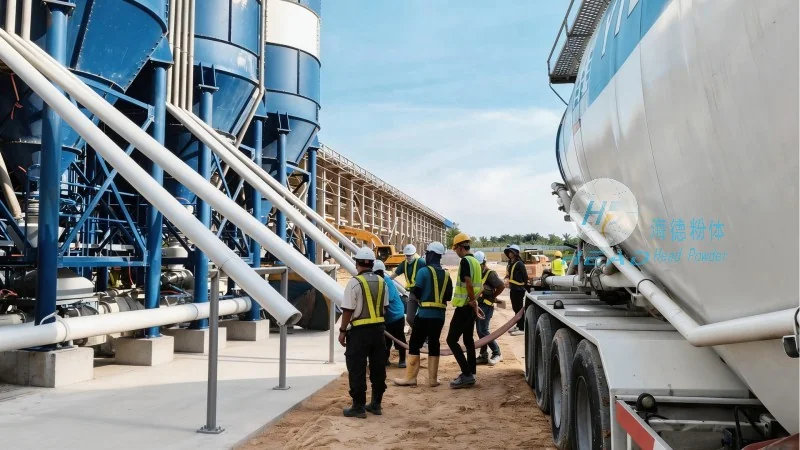
Proper maintenance and operational considerations are essential to ensure the long-term performance and reliability of aluminum foil material pneumatic conveying equipment. Regular maintenance includes checking the air compressor or blower for proper operation, inspecting the conveying lines for any blockages or damage, and cleaning the filtration systems to prevent clogging. Operational considerations include monitoring the air pressure and flow rates to ensure optimal performance, and adjusting the system as needed to accommodate changes in material characteristics or production volumes. For example, if the aluminum foil becomes more prone to dust formation due to changes in the production process, the filtration system may need to be adjusted or replaced to maintain system efficiency. Additionally, regular inspections of the hopper and feeder are necessary to prevent material bridging or buildup, which can lead to system downtime. By following these guidelines, users can maximize the lifespan of their equipment and minimize downtime, ensuring consistent and efficient material transport.
Conclusion
In conclusion, aluminum foil material pneumatic conveying equipment is a vital technology in the aluminum foil processing industry, offering efficient, safe, and reliable material transport solutions. At Shandong HeadPowder Engineering Co., Ltd., we are committed to providing high-quality equipment and services that meet the unique needs of our clients. By understanding the design principles and operational considerations of these systems, businesses can enhance their production processes and improve overall efficiency in the handling of aluminum foil materials. The use of pneumatic conveying systems not only improves the quality of the final product but also reduces operational costs and increases productivity, making it a valuable investment for any aluminum foil processing facility.