

What is Additive Material Pneumatic Conveying Equipment? What Are Its Design Principles?
Understanding the role and design principles of additive material pneumatic conveying equipment is crucial for industries that handle fine or bulk powders. This equipment is specifically engineered to transport additive materials, such as chemicals, pigments, or other powders, efficiently and safely. The following sections will explore the fundamental concepts behind this technology and its practical applications.
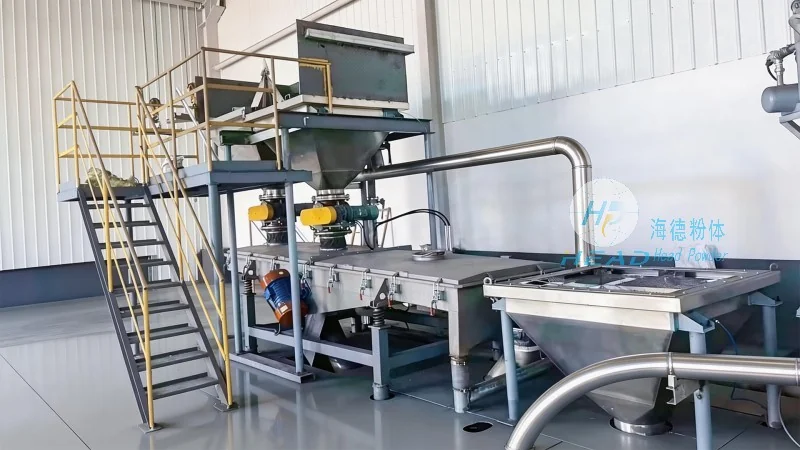
Key Components and Working Principle
Additive material pneumatic conveying equipment typically consists of several key components that work in tandem to achieve effective material transport. The primary components include a material hopper, a conveyor line (often with a pipeline), a fan or blower to generate airflow, and a discharge outlet. The working principle involves the use of compressed air or gas to create a flow that draws the additive material from the hopper into the pipeline and transports it to the desired destination. This process is known as pneumatic conveying, which relies on the interaction between the material particles and the air stream to move the material through the system.
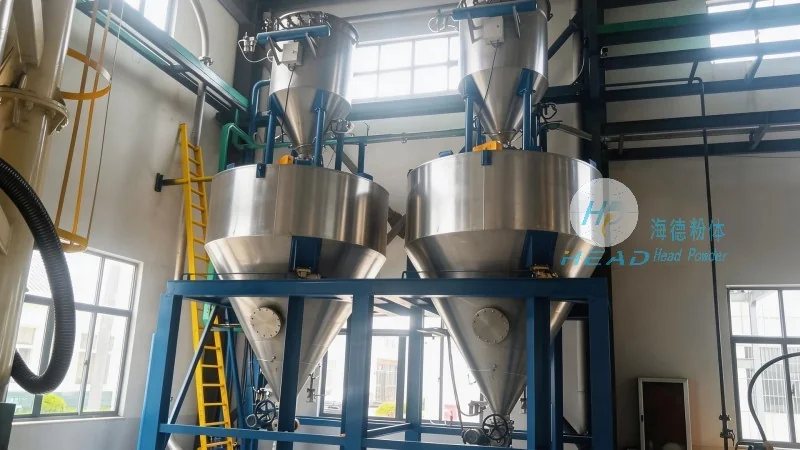
Design Principles for Efficient Operation
The design of additive material pneumatic conveying equipment is based on several critical principles to ensure optimal performance, minimal material loss, and consistent flow rates. One of the key design considerations is the selection of the appropriate conveying system type, such as dilute-phase or dense-phase conveying. Dilute-phase systems use higher air velocities to transport material in a dispersed state, while dense-phase systems use lower velocities and higher material concentrations, which is often preferred for delicate or abrasive additives. Another important principle is the proper sizing of the pipeline and components to prevent blockages and ensure smooth material flow. The system must also be designed to handle variations in material properties, such as particle size, density, and moisture content, to maintain consistent performance. Additionally, the inclusion of features like filters, cyclones, and pressure relief valves is essential to protect the equipment and maintain air quality.
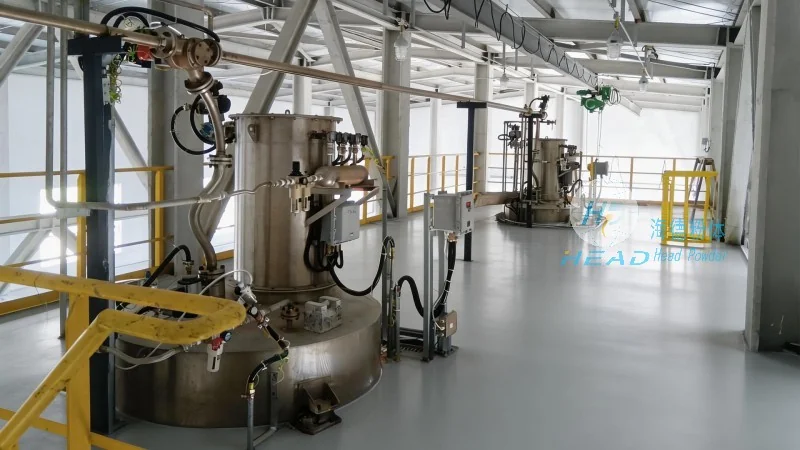
Applications in the Additive Industry
Additive material pneumatic conveying equipment is widely used in various industries that rely on the precise handling of additive materials. These applications include pharmaceutical manufacturing, where the equipment is used to transport active pharmaceutical ingredients (APIs) and excipients with high purity standards. In the food and beverage industry, it is used to convey flavorings, colorants, and other additives into processing lines. The chemical industry also utilizes this technology to transport pigments, dyes, and other chemical additives for manufacturing processes. The equipment's ability to handle fine powders and maintain low contamination levels makes it ideal for applications where product quality and safety are paramount.
Advantages of Using Pneumatic Conveying Systems
Compared to traditional mechanical conveying methods, additive material pneumatic conveying equipment offers several advantages that make it a preferred choice for many industries. One of the main benefits is the ability to transport materials over long distances without the need for multiple transfer points or intermediate storage. This reduces the risk of material degradation and contamination, which is critical for delicate additives. The system also provides a more hygienic and enclosed environment, minimizing dust exposure and improving workplace safety. Additionally, pneumatic conveying systems are more flexible and can be easily integrated with existing production lines, allowing for seamless material flow and process optimization. The low maintenance requirements and energy efficiency of these systems further contribute to their cost-effectiveness and sustainability.
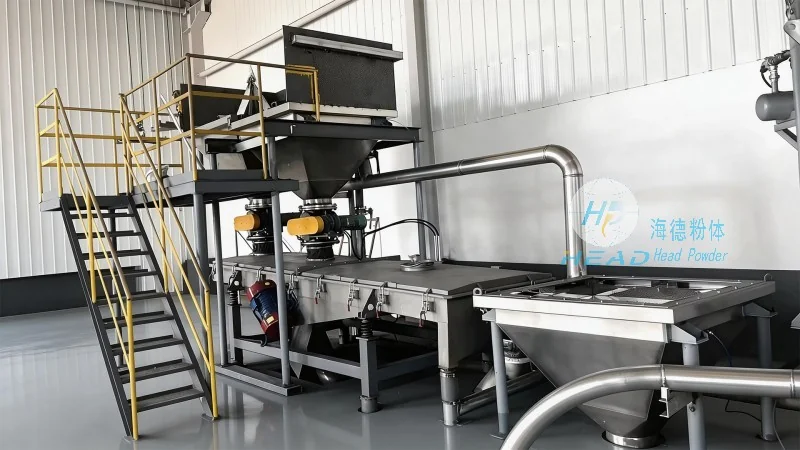
Conclusion and Company Overview
In conclusion, additive material pneumatic conveying equipment is a sophisticated and essential technology for industries that handle fine or bulk powders. Its design principles, which focus on efficient material transport, minimal loss, and consistent performance, make it a reliable solution for various applications. As a leading manufacturer in this field, Shandong HeadPowder Engineering Co., Ltd. specializes in providing high-quality pneumatic conveying systems tailored to the specific needs of additive manufacturers. With a commitment to innovation and customer satisfaction, HeadPowder delivers equipment that meets the highest standards of efficiency, safety, and durability. Based in Shandong, China, the company leverages its expertise to serve clients globally, ensuring that additive material handling processes are optimized for maximum productivity and minimal downtime.