When it comes to transporting rice husk powder, selecting the right conveying method is crucial for efficiency, cost-effectiveness, and material integrity. The choice of system impacts not only operational performance but also the overall sustainability of the process. For many industrial applications, pneumatic conveying has emerged as a preferred solution due to its versatility and ability to handle fine powders like rice husk powder effectively.
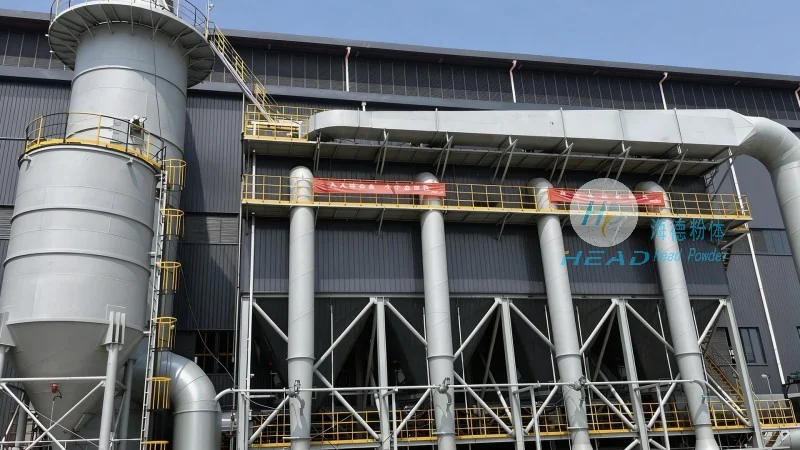
Understanding the Basics of Rice Husk Powder Conveying
Rice husk powder, a byproduct of rice processing, is widely used in various industries including biofuel production, animal feed, and as a raw material for activated carbon. Its fine, lightweight nature makes traditional conveying methods, such as belt conveyors or screw conveyors, less ideal due to issues like dust accumulation, material degradation, and high maintenance costs. Pneumatic conveying, on the other hand, offers a more controlled and efficient way to move these powders over long distances or within complex processing lines.
Pneumatic Conveying Systems for Rice Husk Powder
Shandong HeadPowder Engineering Co., Ltd., a leading provider of specialized conveying solutions, specializes in designing and manufacturing pneumatic conveying systems tailored for rice husk powder applications. The company, based in Shandong, China, leverages years of industry experience to develop systems that ensure minimal product degradation, consistent flow rates, and low energy consumption. Their expertise lies in matching the right system configuration—whether it's a pressure or vacuum system, based on the specific requirements of the rice husk powder handling process.
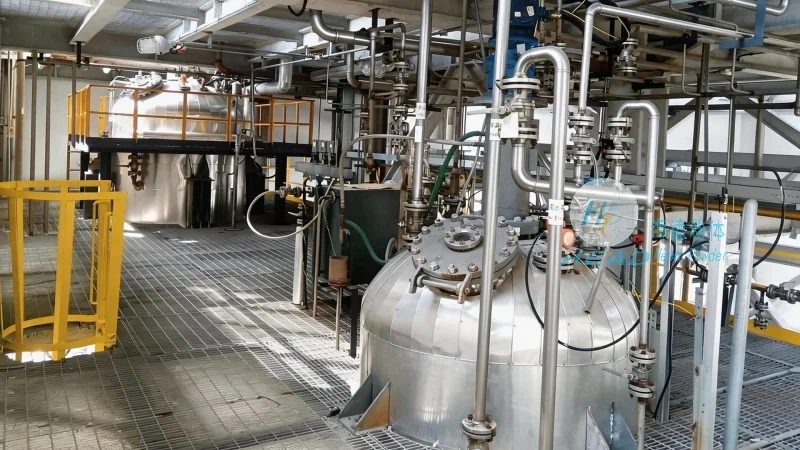
Types of Pneumatic Conveying for Rice Husk Powder
There are primarily two types of pneumatic conveying systems used for rice husk powder: pressure and vacuum. Pressure systems use compressed air to push the powder through a pipeline, while vacuum systems use a vacuum to draw the material into the line. Each type has its advantages and is chosen based on factors like the distance to be covered, the volume of material, and the layout of the processing facility.
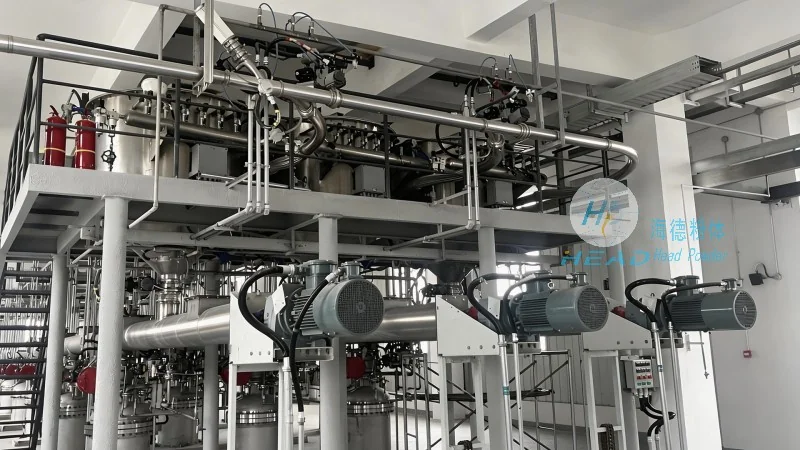
Advantages of Pneumatic Conveying for Rice Husk Powder
Implementing pneumatic conveying for rice husk powder offers several key benefits. First, it minimizes material degradation by reducing friction and impact during transport. The enclosed system also prevents dust emissions, improving workplace safety and compliance with environmental regulations. Additionally, pneumatic systems can handle varying particle sizes and moisture content, making them adaptable to different rice husk powder qualities. From a cost perspective, while initial investment may be higher than traditional methods, the long-term savings in maintenance and material loss often outweigh the upfront costs.
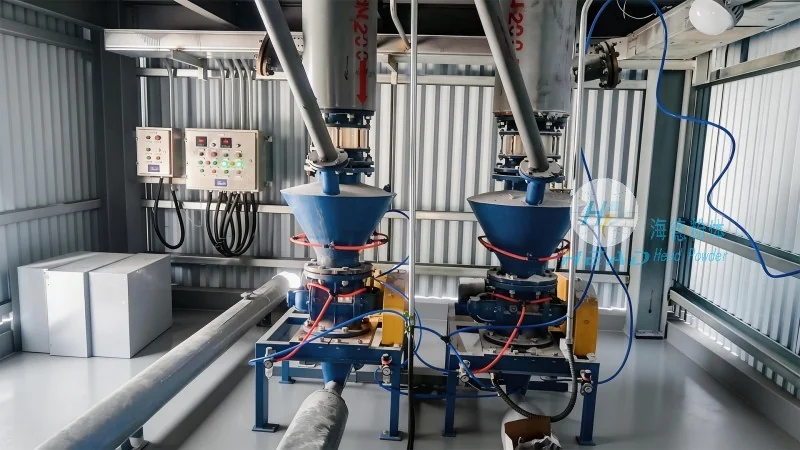
Customization and Integration with Processing Lines
Shandong HeadPowder Engineering Co., Ltd. understands that each rice husk powder handling operation is unique. Their pneumatic conveying solutions are designed with customization in mind, allowing seamless integration with existing processing lines. Whether integrating with a rice husk grinding unit, a storage silo, or a biofuel production plant, their systems can be tailored to meet specific flow rates, pressure requirements, and space constraints. The company’s engineering team works closely with clients to assess their operational needs and recommend the most efficient conveying strategy, ensuring optimal performance and reliability.
Conclusion: Choosing the Right Conveying Method for Rice Husk Powder
For industries dealing with rice husk powder, selecting an appropriate conveying method is critical to maintaining efficiency and product quality. Pneumatic conveying, particularly with specialized systems from companies like Shandong HeadPowder Engineering Co., Ltd., offers a robust and effective solution. By understanding the characteristics of rice husk powder and the specific requirements of the application, businesses can choose a conveying system that maximizes productivity while minimizing operational costs and environmental impact. As a trusted provider based in Shandong, China, HeadPowder continues to innovate in conveying technology, helping clients achieve their processing goals with reliable and efficient solutions.




