

Working Principle and Characteristics of Wood Dust Pneumatic Conveying
Wood dust pneumatic conveying is a crucial technology in material handling, particularly for handling fine powders like wood dust. This method involves transporting particles through a pipeline using a stream of air, offering efficient and flexible solutions for various industrial applications. Understanding the working principle and key characteristics of this system is essential for optimizing performance and ensuring safety in operations.
Company Introduction
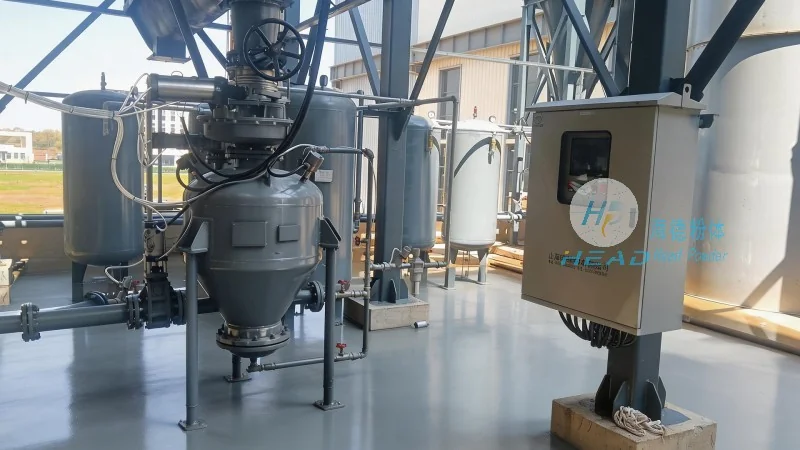
HeadPowder, a leading provider in the field, is represented by Shandong HeadPowder Engineering Co., Ltd., a company based in Shandong, China. With a strong commitment to innovation and quality, HeadPowder specializes in designing and manufacturing advanced pneumatic conveying systems tailored to the unique needs of wood dust handling. The company’s expertise lies in developing solutions that enhance efficiency, reduce operational costs, and ensure compliance with industry standards.
Working Principle of Wood Dust Pneumatic Conveying
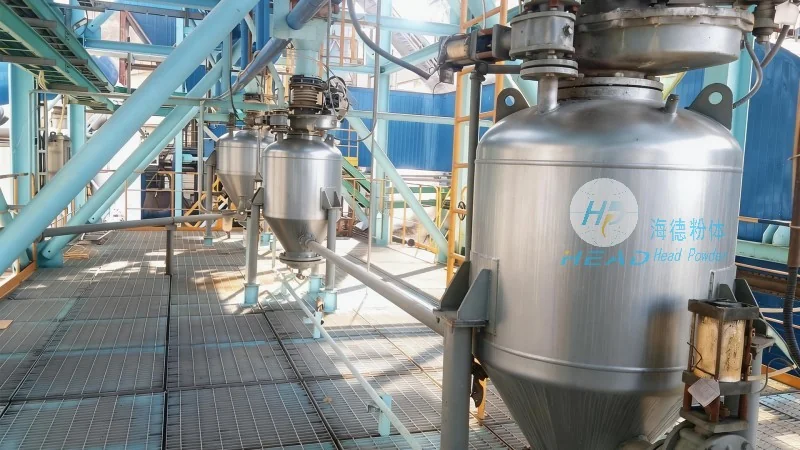
The core of wood dust pneumatic conveying is the use of air as the conveying medium. The process typically involves a blower or compressor that generates a high-pressure air stream. This air is then introduced into a hopper or feeding device containing the wood dust. As the air flows through the material, it lifts and transports the particles along the pipeline. The system can operate in either positive or negative pressure modes, depending on the specific requirements of the application. Positive pressure systems push the air and material through the line, while negative pressure systems draw the material into the system using a vacuum.
Key Characteristics of Wood Dust Pneumatic Conveying Systems
Several distinct characteristics define wood dust pneumatic conveying systems, making them suitable for diverse industrial settings. Firstly, the system offers high efficiency in material transport, capable of moving large volumes of fine particles over considerable distances with minimal energy consumption. Secondly, it provides excellent flexibility, allowing for changes in material flow rates and pipeline configurations without significant modifications to the equipment. Thirdly, the system is relatively compact and can be integrated into existing production lines, reducing space requirements and installation costs. Additionally, wood dust pneumatic conveying systems are known for their ability to handle abrasive and corrosive materials, ensuring durability and longevity of the components. The technology also minimizes product contamination, as the material is enclosed within the pipeline, preventing exposure to external elements or cross-contamination.
Advantages and Applications
Wood dust pneumatic conveying systems offer numerous advantages that make them a preferred choice in industries such as woodworking, paper manufacturing, and biomass processing. The primary benefits include improved safety by eliminating the need for manual handling of dust, which reduces the risk of respiratory diseases and fire hazards. Additionally, the system enhances operational efficiency by automating the material transport process, leading to increased productivity and reduced labor costs. The flexibility of the system allows it to be adapted to various production scales, from small-scale operations to large industrial facilities. Applications range from transporting sawdust and wood chips to processing wood flour and other fine powders, supporting a wide array of manufacturing processes.
System Components and Design Considerations
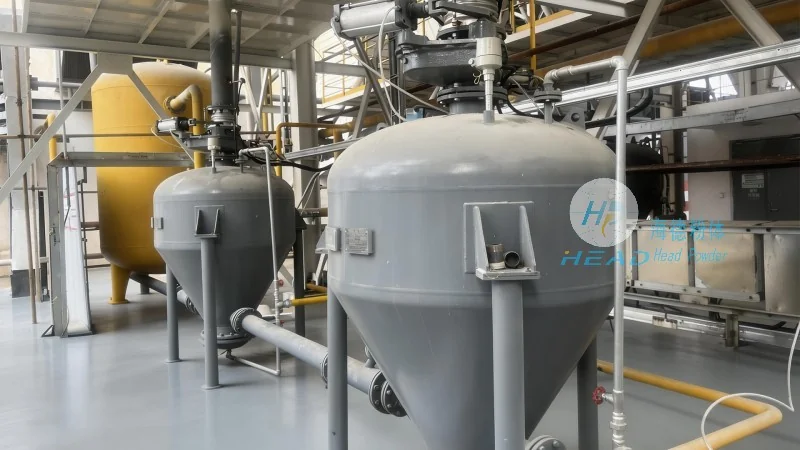
A typical wood dust pneumatic conveying system consists of several key components, each playing a critical role in the overall operation. These components include a blower or compressor, a hopper or feeder, a pipeline system, and a receiver or discharge device. The blower provides the necessary air pressure and flow rate to move the material. The hopper or feeder ensures a consistent feed of wood dust into the system, preventing blockages and maintaining a steady flow. The pipeline is designed to handle the specific characteristics of wood dust, with considerations for particle size, moisture content, and flow rates. The receiver or discharge device collects the material at the end of the pipeline, allowing for further processing or storage. Design considerations also include material selection for components, such as using corrosion-resistant materials for parts exposed to moisture or abrasive particles, and proper sealing to prevent air leaks and maintain system efficiency.
Maintenance and Operational Tips
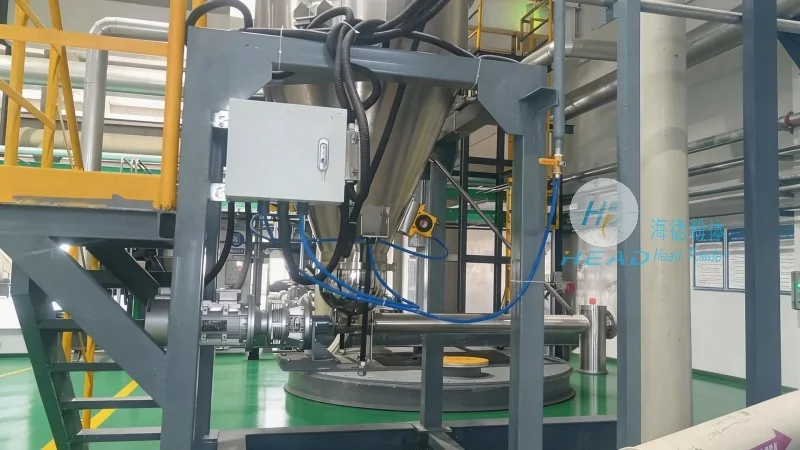
Proper maintenance is essential to ensure the longevity and optimal performance of wood dust pneumatic conveying systems. Regular inspections of the blower and compressor for wear and tear, checking for air leaks in the pipeline, and cleaning the hopper and receiver to prevent clogging are crucial. It is also important to monitor the air pressure and flow rate to ensure they remain within the recommended parameters. Additionally, using appropriate filters and separators to remove moisture and large particles from the air stream can extend the life of the system components. Operators should follow the manufacturer’s guidelines for maintenance and operational procedures to avoid damage and ensure safety. By adhering to these practices, the system can operate efficiently and reliably, providing consistent performance over its service life.
Conclusion
Wood dust pneumatic conveying is a sophisticated and effective method for handling fine wood particles, offering numerous advantages over traditional material handling techniques. The working principle, which relies on air to transport the material, combined with the key characteristics of efficiency, flexibility, and safety, makes it an ideal solution for various industrial applications. With the expertise of companies like Shandong HeadPowder Engineering Co., Ltd., the technology continues to evolve, providing tailored solutions that meet the specific needs of modern manufacturing processes. By understanding and implementing these systems correctly, industries can enhance productivity, reduce costs, and ensure a safe working environment for their operations.