

Working Principle and Features of Carbide Slag Pneumatic Conveying Equipment
Shandong HeadPowder Engineering Co., Ltd., commonly known as HeadPowder, is a professional manufacturer and supplier specializing in industrial conveying solutions. With a focus on innovative engineering and customer-centric design, the company has established itself as a trusted partner in the field of material handling, particularly for challenging applications like carbide slag processing. HeadPowder's commitment to quality and technological advancement ensures that its products meet the highest industry standards while addressing the unique demands of modern industrial operations.
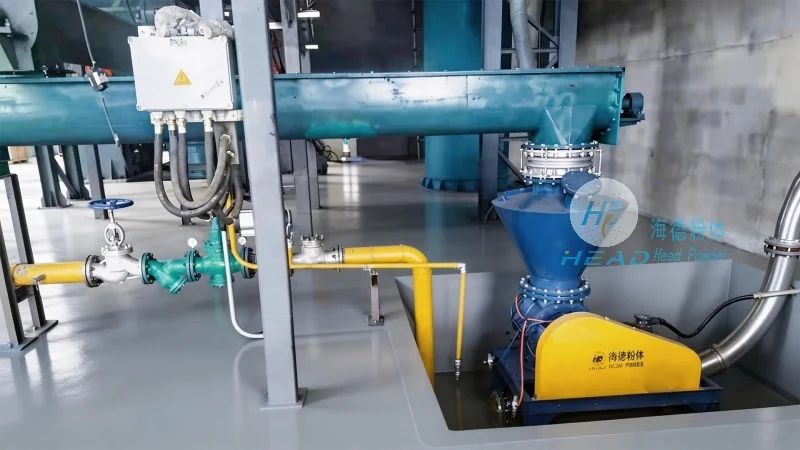
Carbide slag, a byproduct of the calcium carbide production process, poses significant challenges in terms of handling and disposal due to its abrasive nature and potential environmental impact. Traditional methods of handling such materials often involve manual labor or heavy machinery, which can be inefficient, costly, and hazardous. To address these issues, pneumatic conveying systems have emerged as a highly effective solution, offering a safe, efficient, and environmentally friendly way to transport carbide slag from one location to another. The working principle of a carbide slag pneumatic conveying system revolves around the use of compressed air or gas to move the material through a pipeline network. This method eliminates the need for mechanical components like belts or buckets, reducing maintenance requirements and minimizing the risk of equipment failure.
The core components of a carbide slag pneumatic conveying system typically include a hopper for material storage, a feeder to control the flow rate, a conveying line (often made of corrosion-resistant materials such as stainless steel or special alloys to withstand the abrasive properties of carbide slag), and a receiver for the discharged material. The system operates by feeding the carbide slag into the hopper, where it is then drawn into the conveying line by the force of the moving air. The air, often supplied by a high-pressure blower or compressor, creates a negative pressure in the line, pulling the material along with it. This process allows for the continuous and reliable transport of carbide slag over long distances, even in complex layouts with multiple branches or bends.
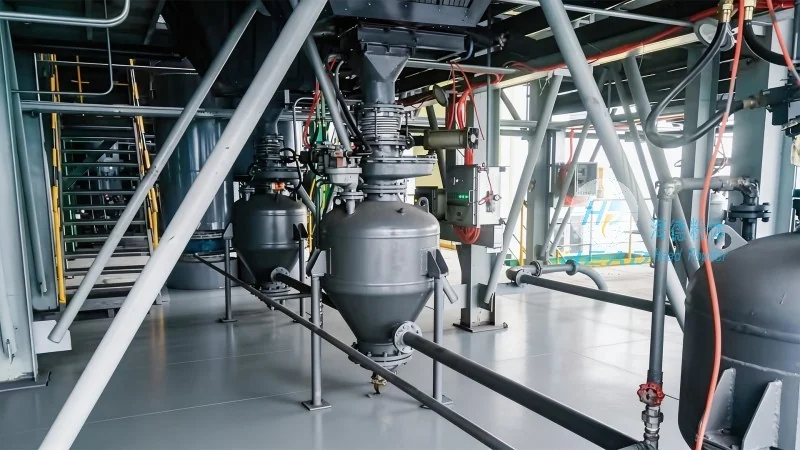
One of the key advantages of pneumatic conveying for carbide slag is its ability to handle the material in a dry, dust-free manner. Unlike traditional methods that may generate dust or require water for quenching, pneumatic systems keep the material contained within the pipeline, reducing the risk of dust exposure and environmental contamination. This not only enhances workplace safety but also simplifies the disposal process, as the material can be directed to designated storage or treatment facilities without the need for additional handling steps. Additionally, the system's enclosed design minimizes the risk of material spillage or leakage, contributing to a cleaner and more organized industrial environment.
Efficiency is another critical feature of carbide slag pneumatic conveying equipment. By utilizing compressed air to transport the material, the system can achieve high throughput rates while maintaining low energy consumption. The adjustable flow rate control allows operators to optimize the conveying process based on the specific requirements of the application, ensuring that the material is moved at the most efficient speed without causing excessive wear on the equipment. This flexibility is particularly valuable in industrial settings where production volumes may vary or where different types of carbide slag need to be processed. Furthermore, the system's ability to handle both fine and coarse particles makes it suitable for a wide range of applications, from small-scale laboratory processing to large-scale industrial production.
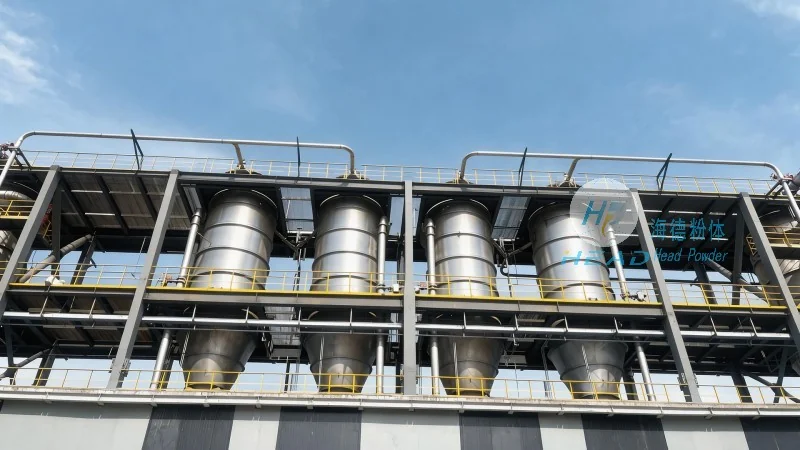
Reliability and durability are also paramount in the design of carbide slag pneumatic conveying systems. The components are engineered to withstand the harsh conditions associated with carbide slag, including its abrasive nature and potential for chemical reactions. Stainless steel and other corrosion-resistant materials are commonly used for the conveying line and other critical parts, ensuring long-term performance and minimal maintenance. The system's design also incorporates features such as air filtration and moisture control to prevent clogging and ensure consistent operation. Regular maintenance, such as cleaning the filter and checking the blower performance, is recommended to maintain optimal efficiency and extend the lifespan of the equipment.
In conclusion, carbide slag pneumatic conveying equipment from Shandong HeadPowder Engineering Co., Ltd. represents a cutting-edge solution for the efficient and safe handling of this challenging industrial byproduct. By leveraging the principles of pneumatic transport, the system offers significant advantages over traditional methods, including enhanced safety, reduced environmental impact, and improved operational efficiency. With its robust design and commitment to quality, HeadPowder's equipment is well-suited for a variety of industrial applications, providing businesses with a reliable and cost-effective way to manage their carbide slag processing needs. Whether for new installations or retrofitting existing facilities, the company's expertise and product line make it a top choice for organizations seeking to optimize their material handling processes.