

Working Principle and Features of Lightweight Cement Pneumatic Conveying Equipment
Shandong HeadPowder Engineering Co., Ltd., a leading manufacturer based in Shandong, China, specializes in the design and production of advanced pneumatic conveying systems, including those tailored for handling lightweight cement. These systems are engineered to efficiently transport bulk materials like lightweight cement over long distances with minimal energy consumption and operational complexity. The following sections will delve into the working principle and key features of such equipment, highlighting how they address the unique challenges of cement handling in industrial applications.
The Working Principle of Lightweight Cement Pneumatic Conveying Equipment
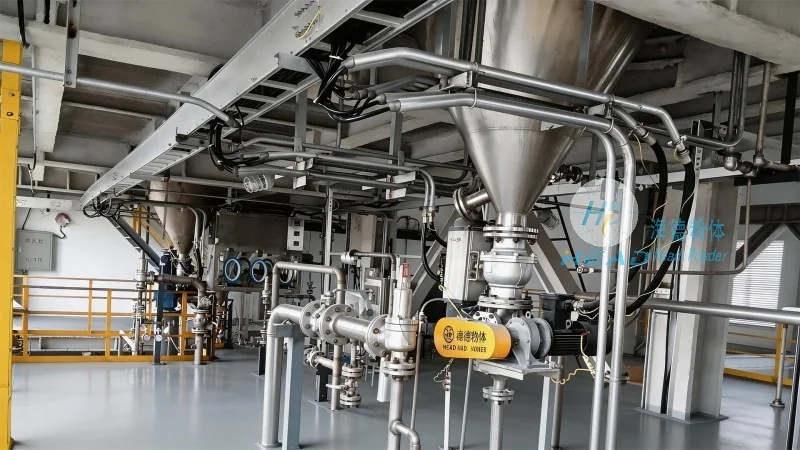
At the core of lightweight cement pneumatic conveying systems is the use of air as the primary medium to move material. The process typically involves a series of components that work in tandem to create a pressure differential, enabling the material to be transported through a pipeline. The system generally consists of a hopper for material storage, a rotary airlock or feeder to control the flow of cement, a blower or compressor to generate the necessary air pressure, and a pipeline network that connects the source to the destination. As lightweight cement is fed into the system, the feeder ensures a consistent flow, while the blower provides the force to move the material along the pipeline. The air and material mixture travels through the pipeline, often with the aid of bends and elbows, and is then separated at the receiving end. The air is typically filtered and recycled, while the cement is discharged into the target container. This process eliminates the need for mechanical components like belts or buckets, reducing maintenance requirements and improving overall efficiency.
Key Features of Lightweight Cement Pneumatic Conveying Equipment
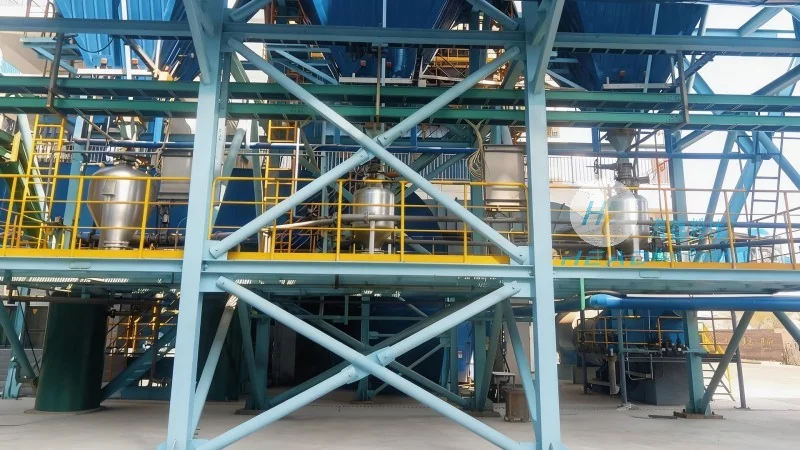
Lightweight cement pneumatic conveying equipment from Shandong HeadPowder Engineering Co., Ltd. is characterized by several distinct features that enhance performance and reliability. One of the primary advantages is the ability to handle fine, dusty materials without causing blockages or clogging, which is a common issue with traditional mechanical conveyors. The system’s design minimizes material degradation and dust generation, ensuring that the cement remains in optimal condition throughout the conveying process. Additionally, the equipment is equipped with advanced control systems that allow for precise regulation of flow rates and pressure, enabling operators to adjust the system parameters in real-time based on operational needs. This flexibility is particularly valuable in industrial settings where production volumes and material characteristics may vary. Another notable feature is the system’s energy efficiency, which is achieved through optimized air flow management and the use of high-efficiency blowers. This not only reduces operational costs but also aligns with sustainability goals by minimizing energy consumption. The equipment also incorporates robust construction materials, such as stainless steel and corrosion-resistant alloys, to withstand the harsh conditions associated with cement handling and ensure long-term durability. Furthermore, the system is designed for easy maintenance, with accessible components and clear diagnostic indicators that help identify and resolve issues quickly, minimizing downtime and maximizing productivity.
Benefits and Applications
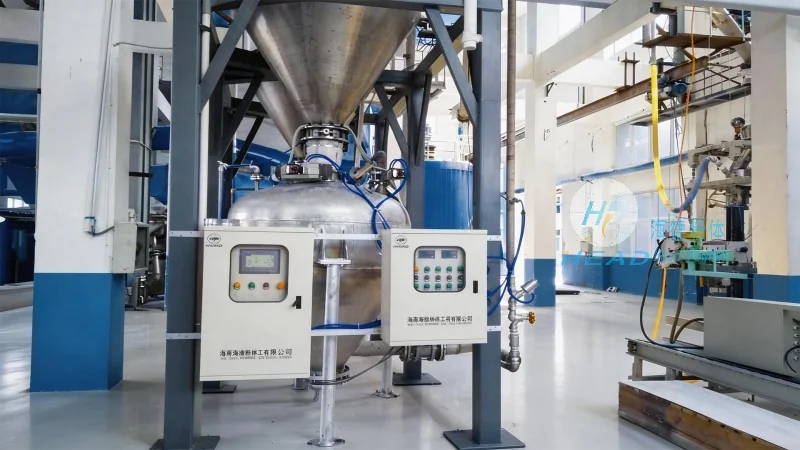
The implementation of lightweight cement pneumatic conveying equipment offers numerous benefits for industrial operations. By eliminating the need for manual handling and mechanical components, the system reduces labor costs and improves workplace safety. The efficient transport of lightweight cement over long distances also minimizes material loss and contamination, ensuring that the final product meets quality standards. This technology is particularly well-suited for applications in construction, cement production, and material processing, where large volumes of lightweight cement need to be moved between different stages of production or storage. The system’s adaptability allows it to be integrated into existing facilities with minimal modifications, making it a cost-effective solution for businesses looking to upgrade their material handling capabilities. Furthermore, the consistent and reliable performance of the equipment contributes to improved production efficiency and reduced operational risks, ultimately enhancing the overall profitability of industrial operations.