Light calcium powder, a widely used industrial material, requires specialized handling systems to ensure efficient and safe transportation. The design of a pneumatic conveying system for light calcium powder is a critical process that involves careful consideration of material properties, operational requirements, and system reliability. This article provides a comprehensive guide to designing an effective light calcium powder pneumatic conveying system, focusing on key design principles and practical considerations. As a leading provider of engineering solutions, Shandong HeadPowder Engineering Co., Ltd. (headpowder) specializes in developing customized pneumatic conveying systems for various industrial applications, including light calcium powder handling.
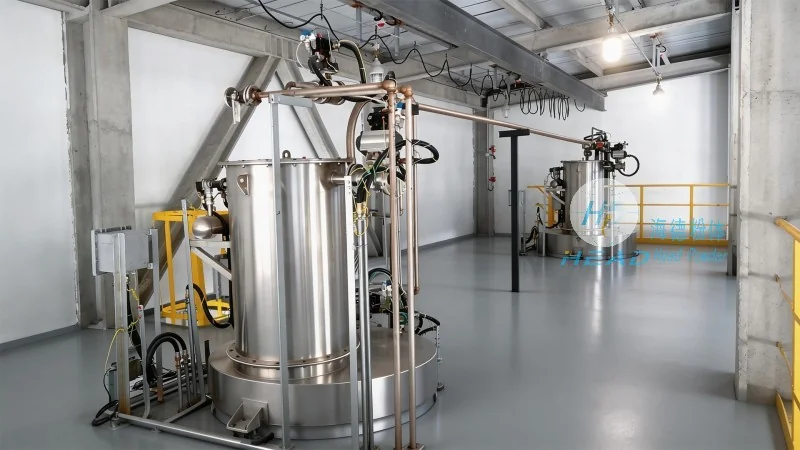
Introduction to Light Calcium Powder Pneumatic Conveying System Design
Light calcium powder, also known as precipitated calcium carbonate (PCC), is a fine, light-weight powder commonly used in industries such as paper, plastics, and coatings. Due to its low density and fine particle size, traditional bulk handling methods like belt conveyors or bucket elevators may not be suitable. Pneumatic conveying systems offer a solution by using air to transport the powder, reducing material degradation and improving process efficiency. The design of such a system must address the unique challenges posed by light calcium powder, including its susceptibility to agglomeration, dust generation, and the need for gentle handling to maintain particle integrity.
The Importance of System Design for Light Calcium Powder Handling
Proper system design is essential to ensure the long-term performance and reliability of a light calcium powder pneumatic conveying system. A well-designed system minimizes material loss, reduces maintenance costs, and enhances overall operational efficiency. Key aspects to consider include the system's capacity, pressure requirements, and the type of conveying method (e.g., dilute phase or dense phase). The design process should also account for the specific characteristics of the light calcium powder, such as its flowability, moisture content, and particle size distribution, to prevent issues like blockages or equipment wear.
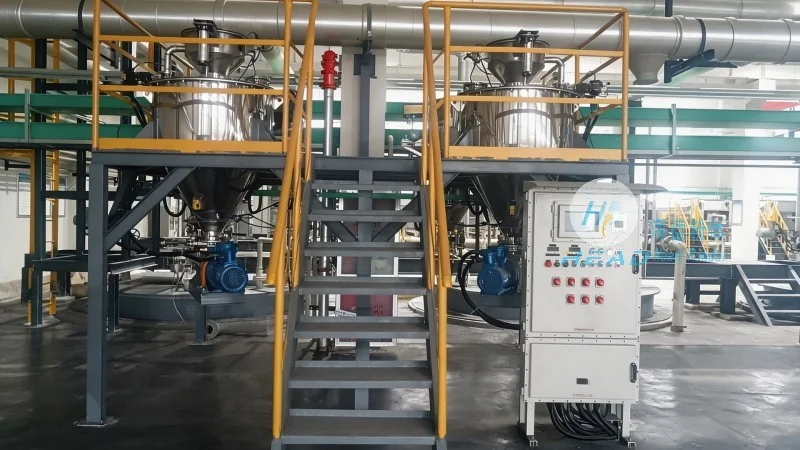
Key Factors in Designing an Efficient Pneumatic Conveying System for Light Calcium Powder
Several critical factors must be evaluated when designing a pneumatic conveying system for light calcium powder. First, the system's capacity and throughput requirements must be determined based on production needs. This includes the desired material flow rate and the total volume of powder to be transported. Second, the pressure and air flow rate must be calculated to ensure sufficient force to move the powder through the system without excessive energy consumption. Third, the selection of components such as the feeder, pipeline, and receiver is crucial. For light calcium powder, components made of materials resistant to corrosion and abrasion, such as stainless steel or special alloys, are often recommended to prevent material degradation and equipment damage.
Equipment Selection and System Configuration
The choice of equipment plays a significant role in the performance of a light calcium powder pneumatic conveying system. The feeder is a critical component that must be able to handle the light calcium powder's flow characteristics without causing blockages or uneven material discharge. Options include rotary valves, screw feeders, or vibratory feeders, each with its own advantages and limitations. The pipeline design is another key factor, as the diameter and length of the pipeline affect the system's pressure drop and energy consumption. Properly sized and supported pipelines are essential to maintain consistent air flow and prevent material buildup. The receiver, where the light calcium powder is deposited, should be designed to minimize dust emissions and facilitate easy material discharge.
Process Flow and Material Handling Considerations
The process flow of the pneumatic conveying system should be optimized to minimize the number of bends and changes in direction, as these can cause pressure losses and increase the risk of material deposition. The system should also include features such as filters and cyclones to separate the powder from the air stream, ensuring clean air discharge and preventing dust contamination. Additionally, the system should be designed to handle variations in material properties, such as changes in moisture content or particle size, without compromising performance. Regular maintenance and monitoring of the system are also essential to ensure consistent operation and to address any issues promptly.
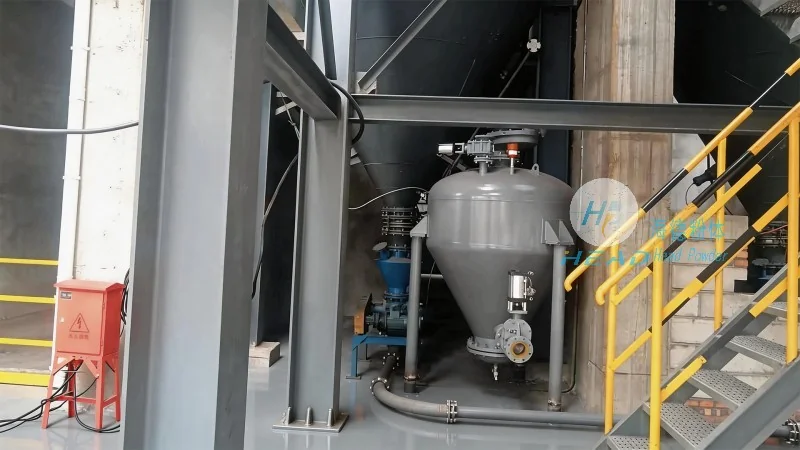
Integration with Production Lines and Safety Measures
A light calcium powder pneumatic conveying system must be integrated seamlessly with the existing production lines to ensure smooth material flow and minimize downtime. The system should be designed to work in conjunction with other equipment, such as mixers, dryers, or packaging machines, to form a cohesive material handling process. Safety measures are also critical, as light calcium powder can create dust hazards. The system should include features such as dust collection systems, explosion-proof components, and proper ventilation to ensure a safe working environment. Compliance with relevant safety regulations and standards is essential to protect both personnel and equipment.
Conclusion and Recommendations
Designing a reasonable light calcium powder pneumatic conveying system requires a thorough understanding of the material's properties, operational requirements, and system components. By considering key factors such as capacity, pressure, equipment selection, and safety measures, engineers can develop an efficient and reliable system that meets the needs of the production process. It is recommended to consult with experienced professionals, such as those from Shandong HeadPowder Engineering Co., Ltd., a company specializing in engineering solutions for powder handling systems. With their expertise in light calcium powder handling, they can provide tailored solutions that optimize performance and ensure long-term success.




