Designing an efficient and reliable pneumatic conveying system for lightweight aggregates is a critical task that requires careful consideration of various technical and operational factors. The system's performance, durability, and cost-effectiveness are directly influenced by the design choices made during the planning phase. This article outlines key considerations and steps to develop a well-structured plan for a lightweight aggregate pneumatic conveying system, with a focus on practical implementation and optimal performance.
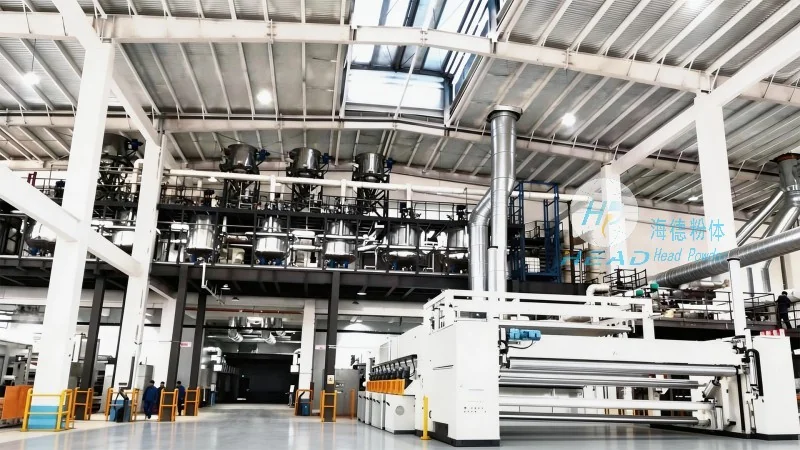
Understanding the Core Components of a Pneumatic Conveying System
A pneumatic conveying system for lightweight aggregates typically consists of several essential components, including the hopper, feeder, air mover (blower or vacuum pump), conveying pipeline, and discharge equipment. Each component plays a vital role in the overall operation and must be selected and sized appropriately to ensure smooth material transport. The hopper is responsible for storing the lightweight aggregate and providing a consistent feed to the system, while the feeder controls the flow rate to match the system's capacity. The air mover generates the necessary pressure or vacuum to move the material through the pipeline, and the conveying pipeline transports the material from the source to the destination. Finally, the discharge equipment collects the material at the end of the pipeline and delivers it to the final storage or processing area.
Choosing the Right Pneumatic Conveying System Type
There are two primary types of pneumatic conveying systems used for lightweight aggregates: positive pressure and negative pressure systems. The choice between these two depends on factors such as the distance of material transport, the amount of material to be conveyed, and the specific characteristics of the lightweight aggregate. Positive pressure systems use a blower to force air and material through the pipeline, making them suitable for long-distance and high-volume conveying applications. Negative pressure systems, on the other hand, use a vacuum pump to draw material into the pipeline, which is ideal for short-distance and low-volume applications or when the material needs to be transported from multiple sources to a single destination.
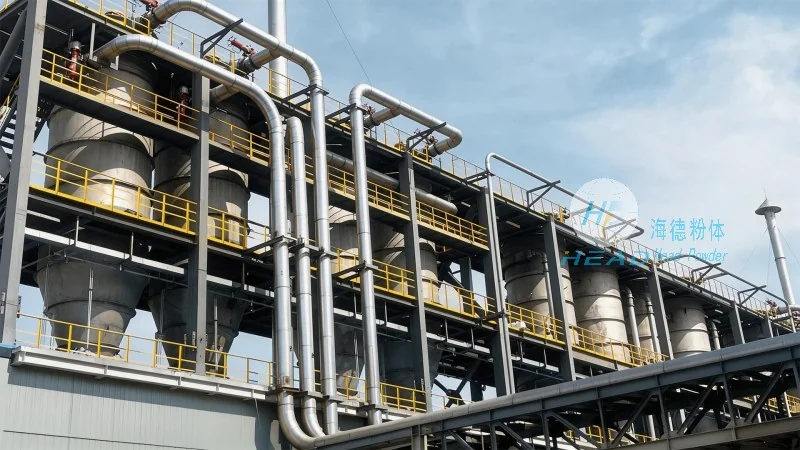
Designing the Conveying Pipeline and System Layout
The layout of the conveying pipeline is a critical aspect of system design, as it directly impacts the system's efficiency and cost. The pipeline should be designed to minimize pressure drops and avoid bends or turns that could cause material accumulation or blockages. The diameter of the pipeline is determined based on the material's flow properties, the required flow rate, and the system's pressure drop. For lightweight aggregates, a larger diameter pipeline is often recommended to reduce friction losses and improve material flow. Additionally, the pipeline should be supported properly to prevent sagging or vibration, which could lead to material degradation or system failure. The system layout should also consider the location of the hopper, feeder, and discharge equipment to minimize the length of the pipeline and reduce energy consumption.
Selecting the Appropriate Air Mover and Control System
The air mover is the heart of the pneumatic conveying system, as it provides the necessary pressure or vacuum to move the material. The selection of the air mover depends on the system type, the required pressure or vacuum level, and the flow rate. For positive pressure systems, a centrifugal blower is commonly used, while a rotary lobe blower or a vacuum pump is preferred for negative pressure systems. The air mover's capacity should be matched to the system's requirements to avoid overloading or underloading, which can lead to reduced efficiency or equipment damage. The control system is responsible for regulating the air flow and pressure, ensuring that the system operates within safe and efficient parameters. Modern control systems often include features such as pressure monitoring, flow rate control, and automatic shutdown in case of abnormal conditions.
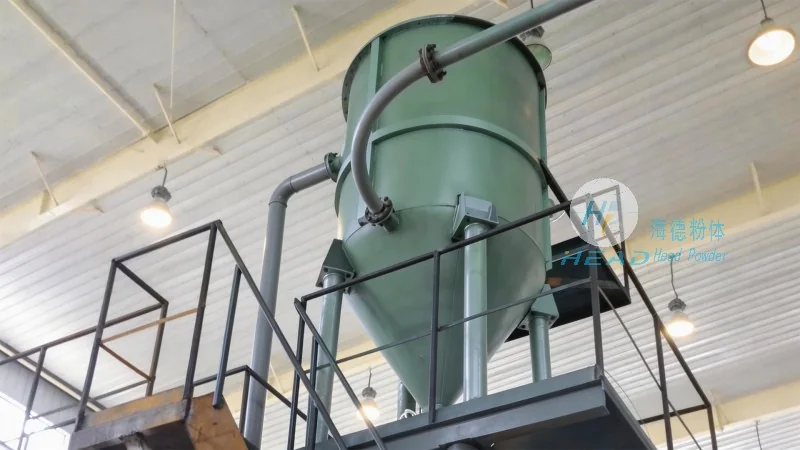
Ensuring Material Handling and System Maintenance
Lightweight aggregates can be abrasive and may contain moisture or other contaminants, which can affect the system's performance and lifespan. To ensure smooth operation, the system should be designed with features that prevent material buildup and blockages, such as anti-static measures and cleaning mechanisms. Regular maintenance is also crucial to keep the system in optimal condition. This includes inspecting and cleaning the hopper, feeder, and pipeline, replacing worn parts, and monitoring the air mover's performance. Proper maintenance can significantly extend the system's lifespan and reduce downtime, leading to lower operational costs.
Case Study: A Successful Lightweight Aggregate Pneumatic Conveying System by Shandong HeadPowder Engineering Co., Ltd.
Shandong HeadPowder Engineering Co., Ltd., a leading provider of engineering solutions for material handling systems, has successfully designed and implemented a lightweight aggregate pneumatic conveying system for a client in China. The system was designed to transport lightweight aggregates over a distance of 500 meters with a flow rate of 10 tons per hour. The system utilized a positive pressure configuration with a centrifugal blower and a 200mm diameter pipeline. The design process involved careful consideration of the material's properties, the required flow rate, and the system's pressure drop. The system has been in operation for over two years, with minimal downtime and high efficiency, demonstrating the effectiveness of the design approach.




