Phenolic resin powder is a widely used material in various industrial applications, and the efficient handling of this powder is crucial for maintaining production efficiency and product quality. Pneumatic conveying equipment has emerged as a reliable solution for transporting phenolic resin powder, offering advantages such as dust-free operation, low maintenance, and flexibility in system design. This article will explore the working principle and key features of pneumatic conveying equipment specifically designed for phenolic resin powder, highlighting how such systems enhance material handling processes.
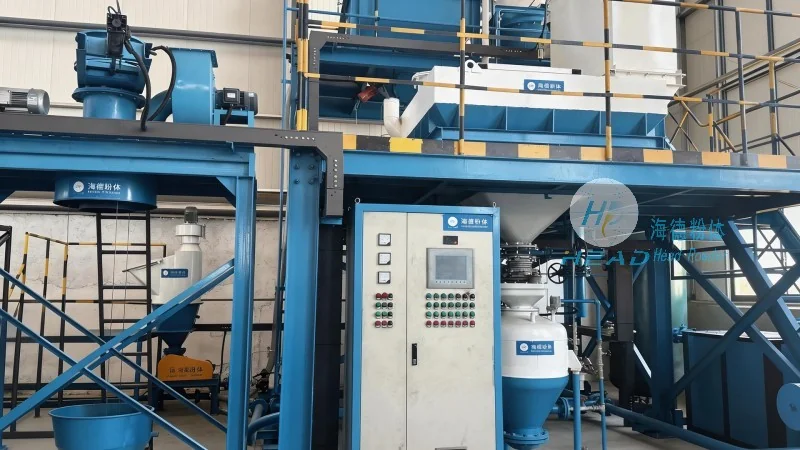
Understanding Pneumatic Conveying Systems for Phenolic Resin Powder
Pneumatic conveying systems utilize air or gas to transport bulk materials like phenolic resin powder through a pipeline network. The fundamental principle involves creating a pressure differential that propels the powder particles along the conveying line. There are two primary types of pneumatic conveying systems: pressure and vacuum systems. Pressure systems operate by blowing air or gas into the conveying line under pressure, while vacuum systems create a negative pressure to draw the material into the system. For phenolic resin powder, which can be sensitive to moisture and contamination, the choice of system type and design is critical to ensure optimal performance and material integrity.
The Working Principle of Pneumatic Conveying Equipment
The core of pneumatic conveying equipment for phenolic resin powder involves several key components and processes. At the feeding stage, the powder is introduced into the conveying line, often through a hopper or feeder that controls the flow rate. The material is then accelerated by the moving air stream, which can be generated by a positive displacement blower or a rotary lobe pump in pressure systems. In vacuum systems, a fan or ejector creates a suction force that pulls the powder into the line. As the powder travels through the pipeline, it may encounter various components such as bends, elbows, and filters to ensure smooth flow and prevent blockages. The conveying process concludes at the discharge point, where the powder is deposited into a receiving container or processing unit. The entire system is designed to maintain consistent air flow and pressure to ensure reliable and continuous material transport.
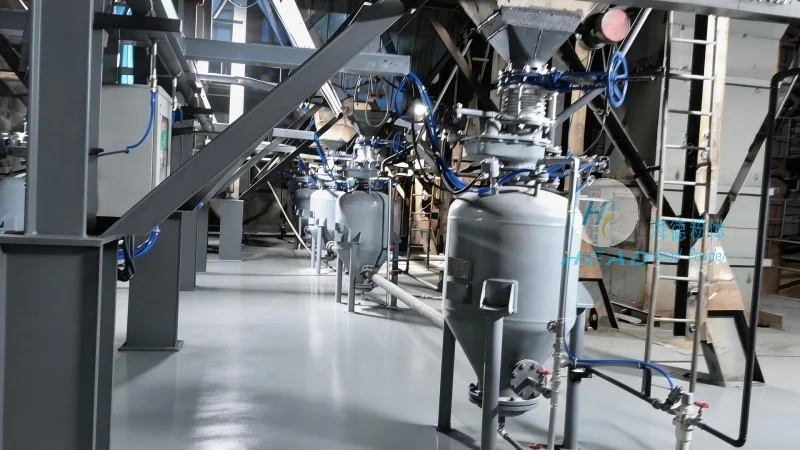
Key Features of Phenolic Resin Powder Pneumatic Conveying Equipment
When selecting pneumatic conveying equipment for phenolic resin powder, several features are essential to meet the demands of industrial applications. First, the system must be capable of handling the specific properties of phenolic resin powder, including its particle size, density, and moisture content. The equipment should be designed to minimize material degradation, such as agglomeration or caking, which can occur if the powder is exposed to excessive air flow or temperature variations. Additionally, the system should incorporate dust control measures, such as cyclone separators and filters, to prevent airborne dust and comply with environmental regulations. Another important feature is the flexibility of the conveying system, allowing for changes in material flow rates or line configurations without significant modifications. This adaptability is crucial for dynamic production environments where material volumes or processing requirements may vary.
Advantages of Using Pneumatic Conveying for Phenolic Resin Powder
Pneumatic conveying equipment offers several advantages over traditional material handling methods for phenolic resin powder. One of the most significant benefits is the ability to achieve dust-free operation, which enhances workplace safety and reduces the risk of respiratory issues for operators. Unlike mechanical conveyors, which can generate significant dust and require additional dust collection systems, pneumatic systems keep the material contained within the pipeline, minimizing exposure. Another advantage is the low maintenance requirements, as pneumatic systems have fewer moving parts compared to mechanical conveyors, reducing the need for frequent repairs and replacements. The flexibility of pneumatic conveying also allows for easy integration with existing production lines, enabling seamless material transfer between different processing stages. Furthermore, the system can handle a wide range of material flow rates, from low to high volumes, making it suitable for various production scales. Shandong HeadPowder Engineering Co., Ltd., a leading manufacturer of pneumatic conveying systems, specializes in designing customized solutions for phenolic resin powder handling, ensuring optimal performance and compliance with industry standards.
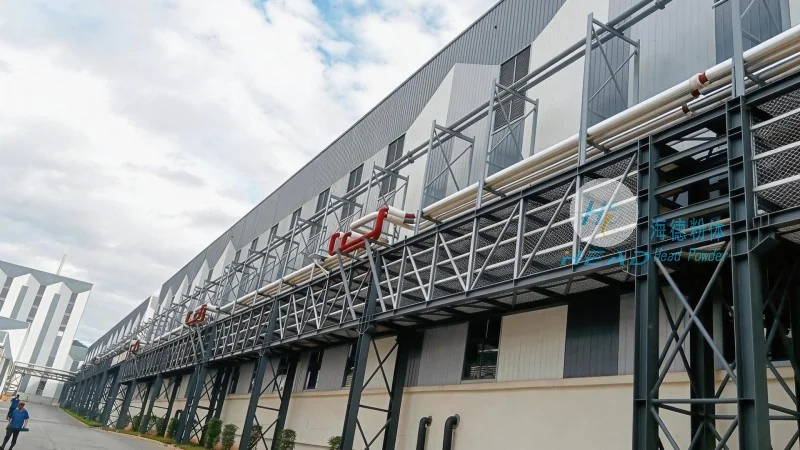
Applications and Industries Using Phenolic Resin Powder Pneumatic Conveying Systems
The use of pneumatic conveying equipment for phenolic resin powder is prevalent in several industries that rely on this material for their products. In the manufacturing of phenolic resins and related composites, such as phenolic foam and laminates, pneumatic systems are used to transport raw powder to mixing and molding equipment. The automotive industry utilizes phenolic resin powder in the production of interior components, where the material's heat resistance and mechanical properties are essential. Additionally, the electronics industry employs phenolic resin powder in the manufacturing of circuit boards and other electronic components, where the material's dielectric properties are critical. The food and pharmaceutical industries also benefit from pneumatic conveying systems when handling phenolic resin-based packaging materials or additives, ensuring hygienic and contamination-free transport. In each of these applications, the efficient and reliable operation of pneumatic conveying equipment is vital to maintaining product quality and production efficiency.
Customization and Design Considerations for Phenolic Resin Powder Pneumatic Conveying Systems
Customization is a key aspect of pneumatic conveying equipment for phenolic resin powder, as each industrial application has unique requirements. The design of the system must consider factors such as the material's particle size distribution, which affects the air flow velocity and pressure required for effective transport. The pipeline diameter and length are also critical, as they impact the system's capacity and energy consumption. For phenolic resin powder, which can be abrasive or corrosive to certain materials, the selection of pipeline materials, such as stainless steel or special coatings, is essential to prevent wear and degradation. Additionally, the system should include features like temperature control and moisture removal to maintain the material's properties during transport. The integration of sensors and monitoring systems can provide real-time data on system performance, allowing for proactive maintenance and optimization. Customization also extends to the control systems, which may include programmable logic controllers (PLCs) to automate the feeding and conveying processes, ensuring consistent operation and reducing human error.
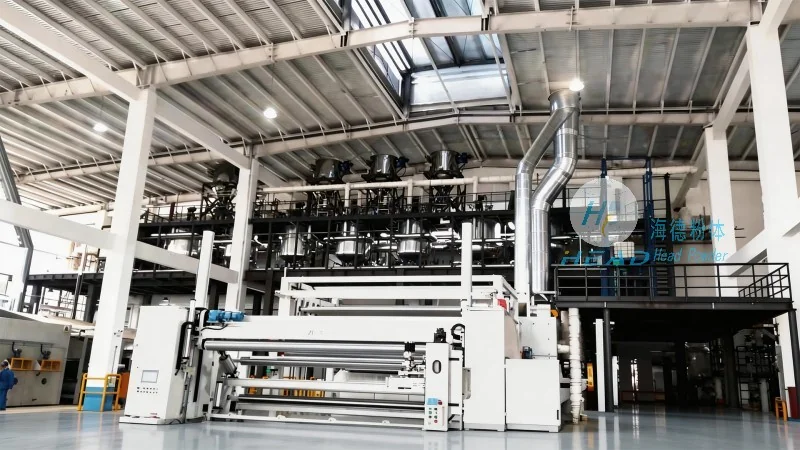
Maintenance and Operational Tips for Phenolic Resin Powder Pneumatic Conveying Equipment
Proper maintenance and operational practices are essential to ensure the long-term performance and reliability of pneumatic conveying equipment for phenolic resin powder. Regular inspection of the system components, such as the blower, filters, and pipeline, is necessary to identify and address potential issues before they escalate. The filters should be cleaned or replaced regularly to maintain air quality and prevent blockages in the system. The blower or pump should be checked for proper air flow and pressure, as any deviations can affect the material transport efficiency. Additionally, the feeding system should be adjusted to maintain a consistent flow rate, as fluctuations can lead to system instability or material buildup. It is also important to monitor the temperature and moisture levels in the system, as excessive heat or moisture can cause the phenolic resin powder to agglomerate or degrade. By following these maintenance and operational tips, users can maximize the lifespan of their pneumatic conveying equipment and minimize downtime.
Conclusion: The Role of Pneumatic Conveying Equipment in Phenolic Resin Powder Handling
Pneumatic conveying equipment plays a vital role in the efficient and safe handling of phenolic resin powder in various industrial applications. By understanding the working principle and key features of such systems, industries can select and implement the most suitable equipment for their specific needs. The advantages of dust-free operation, low maintenance, and flexibility make pneumatic conveying an attractive option for transporting phenolic resin powder. However, the success of the system depends on proper design, customization, and maintenance to ensure optimal performance and material integrity. As industrial demands continue to evolve, the development of advanced pneumatic conveying technologies will further enhance the handling of phenolic resin powder, supporting the growth and efficiency of related industries.




