

Principle and Working Scene Characteristics of Small Bag Quantitative Weighing Pneumatic Conveying E
Small bag quantitative weighing pneumatic conveying equipment is a specialized system designed for the precise handling and transport of bulk materials. This technology integrates advanced weighing mechanisms with pneumatic conveying principles to ensure accurate measurement and efficient material transfer. The equipment is particularly suited for industries requiring high precision in material handling, such as pharmaceuticals, food processing, and chemical manufacturing. Manufactured by Shandong HeadPowder Engineering Co., Ltd., a leading provider of industrial material handling solutions based in Shandong, China, this equipment combines cutting-edge technology with industrial-grade reliability to meet the demanding needs of modern production lines.
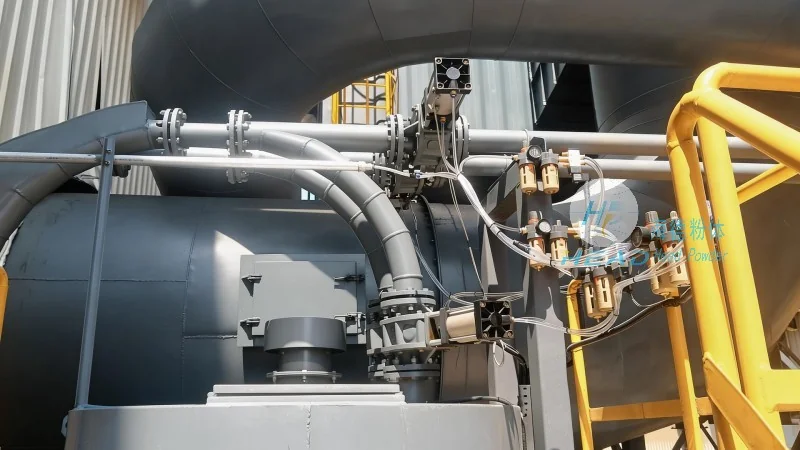
Core Principle of the Equipment
The fundamental operation of small bag quantitative weighing pneumatic conveying equipment relies on a combination of air pressure and mechanical weighing systems. The process typically involves the following steps: material is first loaded into a hopper or feeder, where it is then conveyed through a pipeline using compressed air. Simultaneously, a high-precision scale within the system measures the mass of the material being transported. This dual functionality allows for real-time monitoring and adjustment of the conveying rate, ensuring that the final output meets the specified weight requirements. The system uses a feedback loop to regulate the air flow and material feed, maintaining consistent and accurate weighing results throughout the operation.
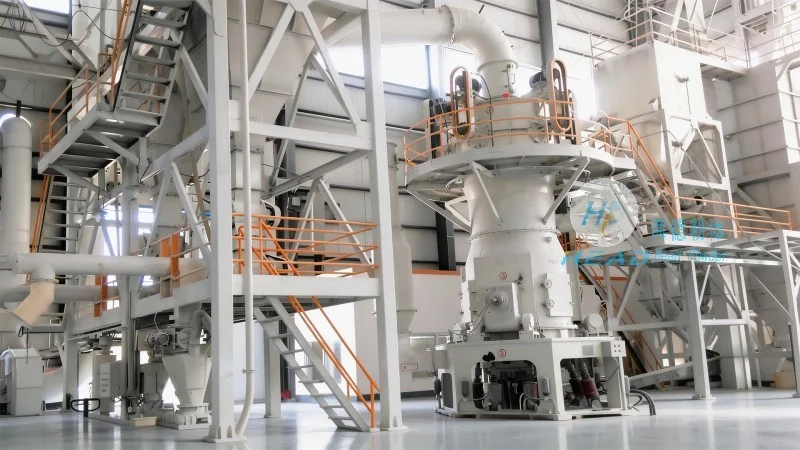
Key Components and Their Functions
Several critical components work in tandem to achieve the equipment's performance. The material hopper or feeder is responsible for storing and feeding the bulk material into the conveying system. The pneumatic conveying pipeline, often equipped with airlocks or rotary valves, ensures the material is transported under controlled air pressure. The weighing scale, typically a load cell-based system, provides the precise measurement of material mass. Additionally, control panels and sensors are integrated to monitor and adjust the system parameters in real time. Each component is engineered to minimize material loss, prevent blockages, and maintain operational efficiency.
Working Scene Characteristics
The application scenarios for small bag quantitative weighing pneumatic conveying equipment are diverse and tailored to specific industry needs. In pharmaceutical manufacturing, the equipment is used to handle powders like active pharmaceutical ingredients (APIs) and excipients, where accuracy and hygiene are paramount. The system's ability to maintain a closed environment and prevent contamination makes it ideal for such applications. In food processing, it is employed for conveying ingredients like flour, sugar, and spices, ensuring consistent product quality and compliance with food safety regulations. The equipment also finds applications in chemical industries for handling fine powders and granules, where precise dosing and material separation are critical.
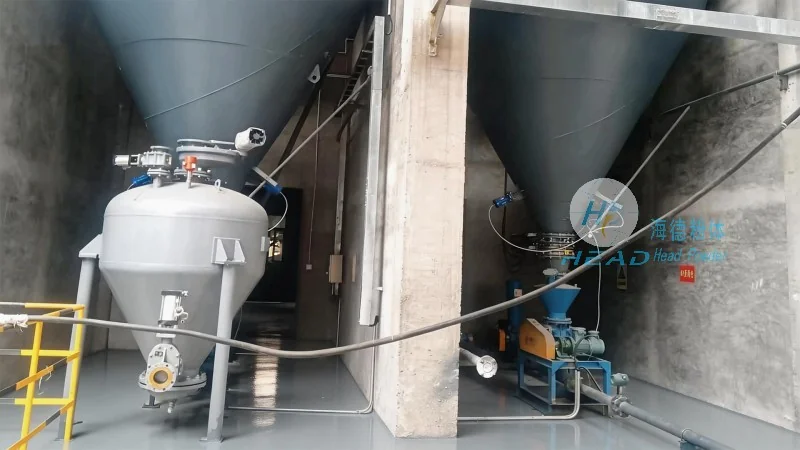
Advantages in Industrial Applications
Implementing small bag quantitative weighing pneumatic conveying equipment offers several advantages over traditional material handling methods. Firstly, it enhances operational efficiency by reducing manual intervention and minimizing material waste. The automated weighing and conveying processes ensure consistent product quality, which is crucial for industries where batch-to-batch uniformity is required. Secondly, the system improves safety by eliminating the need for manual handling of bulk materials, reducing the risk of accidents and exposure to hazardous substances. Additionally, the closed-loop design of the equipment helps maintain a controlled environment, preventing dust contamination and improving workplace hygiene. These benefits make the equipment a valuable asset for companies seeking to optimize their material handling processes.