Choosing the right pneumatic conveying system is crucial for ensuring the efficiency, safety, and reliability of your desulfurizer delivery process. In industrial settings, desulfurizer serves as a critical raw material, and its delivery directly impacts the stability of production lines. Therefore, understanding the characteristics of different pneumatic conveying systems and selecting the appropriate one based on specific process requirements is an essential step to optimize production flow.
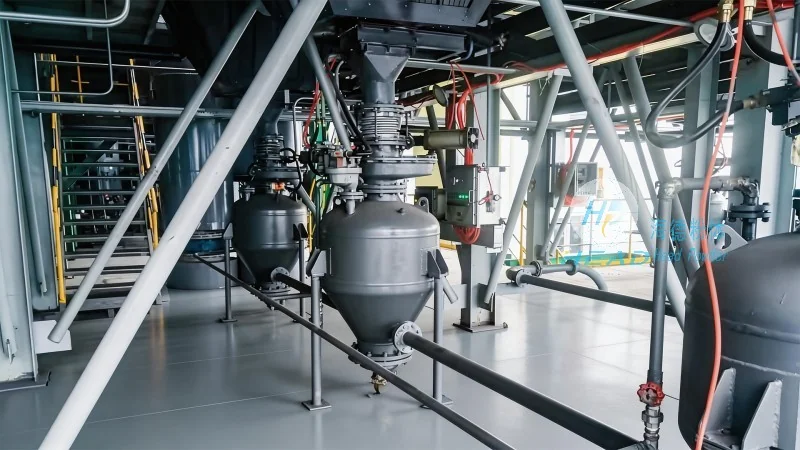
About Shandong HeadPowder Engineering Co., Ltd.
Shandong HeadPowder Engineering Co., Ltd., commonly known as HeadPowder, is a leading enterprise specializing in powder engineering solutions. Headquartered in Shandong Province, China, the company leverages its rich industry experience and professional technology to provide customized pneumatic conveying systems and related services to global clients. HeadPowder is committed to helping clients solve challenges in powder delivery through innovative technology and quality service, thereby improving production efficiency and reducing operational costs.
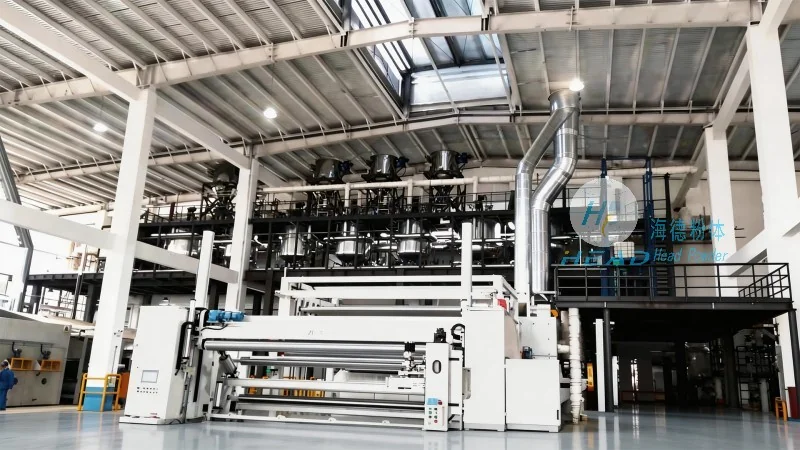
Key Considerations for Choosing a Pneumatic Conveying System
When selecting a pneumatic conveying system suitable for desulfurizer delivery, several key factors need to be considered. First, the physical properties of the desulfurizer are a primary basis. Desulfurizer is typically a fine particle or powder with varying densities, flowability, wear resistance, and possible corrosiveness. These properties affect system design, such as requiring more durable pipes and valves for high-wear materials and special materials for high-corrosive materials. Second, the conveying distance and volume are core parameters. The distance of the conveying determines whether a multi-stage or booster system is needed, while the volume directly relates to the system's handling capacity and energy consumption. Additionally, the requirements of the conveying environment, such as the need for closed conveying to prevent dust pollution or material leakage, are also critical factors to consider. For example, in industrial sites requiring a clean environment, closed pneumatic conveying systems are ideal. Finally, the maintenance cost and operational stability of the system are important considerations. Choosing a system that is easy to maintain, has low failure rates, and has low energy consumption helps reduce long-term operational costs and improve production continuity.
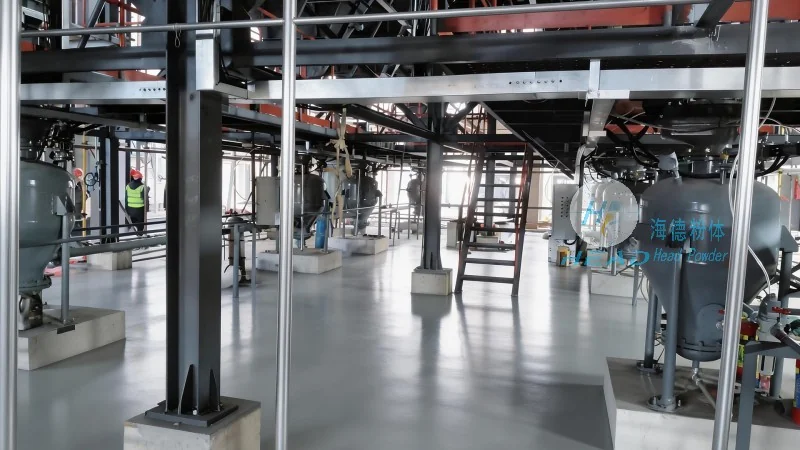
Common Pneumatic Conveying System Types and Their Suitability
Based on the conveying principle and structure, pneumatic conveying systems are mainly divided into suction-type, pressure-type, and mixed-type. The suction-type system draws material from a hopper or storage tank under negative pressure, suitable for short-distance, small-volume scenarios, such as initial delivery from a storage tank to a conveying device. The pressure-type system pushes material from the feed point to the destination under positive pressure, suitable for long-distance, large-volume needs, often used for internal or cross-regional delivery in factories. The mixed-type system combines the characteristics of suction and pressure, alternating pressure during the conveying process to achieve greater flexibility. For desulfurizer delivery, the pressure-type system is often preferred due to its ability to handle large volumes, adapt to long-distance delivery, and maintain material dryness. For example, in large desulfurization plants, the pressure-type pneumatic conveying system can efficiently transport desulfurizer from the storage warehouse to the reactor or injection point, ensuring continuous and stable delivery. Additionally, the mixed-type system provides good adaptability when adjusting the conveying direction or distance as needed in multi-stage production processes.
Key Design Elements in System Design
In the specific design of pneumatic conveying systems, several key design elements need to be focused on. First, the layout and size of the pipelines. The diameter and length of the pipelines directly affect pressure loss and energy consumption. Properly designing the pipeline diameter ensures that materials remain suspended during conveying, avoiding blockages or deposition. For example, for fine-grained desulfurizer, a larger pipeline diameter is typically required to reduce pressure loss while maintaining smooth material flow. Second, the selection of feeding equipment. Feeding equipment such as star valves, screw conveyors, or pneumatic feeders needs to be chosen based on the flowability of the desulfurizer. For low-flow materials, pneumatic feeders or pre-drying equipment may be required to improve conveying efficiency. Additionally, the design of valves and connecting components is also important. Choosing wear-resistant and corrosion-resistant valves and fittings can extend the system's service life and reduce maintenance frequency. For example, when conveying high-wear desulfurizer, using special alloy materials for valves and seals can effectively prevent wear and leakage. Finally, the role of control systems and monitoring equipment should not be overlooked. Installing pressure sensors, flow meters, and control systems allows real-time monitoring of parameters like pressure, flow, and temperature during the conveying process, ensuring the system operates at optimal conditions. When anomalies occur, the system can automatically adjust or alarm, enhancing production safety and efficiency.
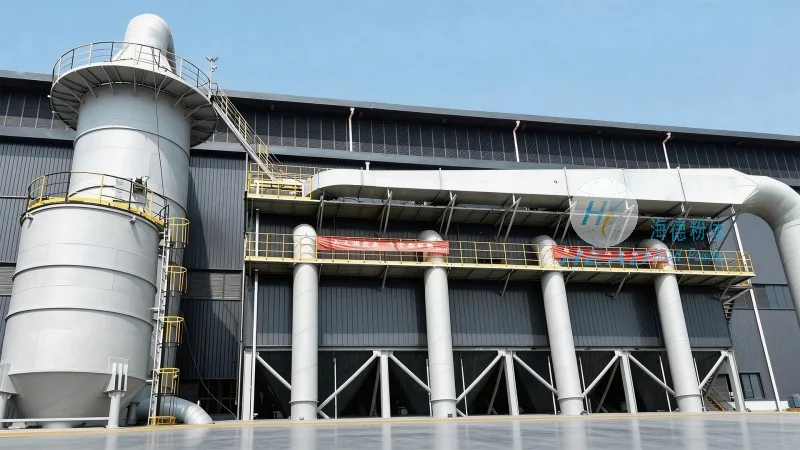
HeadPowder's Solutions and Advantages
Shandong HeadPowder Engineering Co., Ltd. provides customized pneumatic conveying systems for desulfurizer delivery processes. The company designs and manufactures systems tailored to clients' specific needs, considering the physical properties of desulfurizer, conveying distance, volume, and environmental requirements. For example, for clients requiring long-distance delivery of desulfurizer, HeadPowder designs high-pressure pressure-type systems that can effectively handle large volumes, keep materials dry, and ensure stable and reliable delivery. The company uses advanced materials and technologies, such as wear-resistant pipes, efficient feeding equipment, and intelligent control systems, to enhance system performance and service life. Additionally, HeadPowder offers comprehensive installation, commissioning, and after-sales service to ensure clients' systems operate smoothly and continuously optimize. By choosing HeadPowder's pneumatic conveying systems, clients can improve desulfurizer delivery efficiency, reduce operational costs, and meet environmental and safety requirements. In the desulfurizer delivery field, selecting the right pneumatic conveying system not only ensures production continuity but also enhances overall production efficiency, providing reliable support for clients' industrial production.




