Plastic pellet pneumatic conveying systems represent a critical technology in material handling, particularly for industries dealing with plastic granules. These systems utilize air as the conveying medium to transport plastic pellets from one location to another, offering a flexible and efficient solution for various industrial applications. The core of such systems lies in understanding their operational principles and the specific working environments where they excel.
Overview of Plastic Pellet Pneumatic Conveying Systems
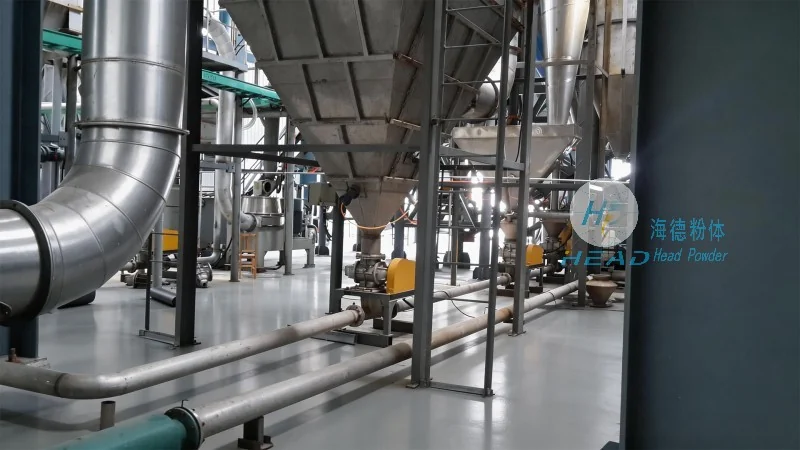
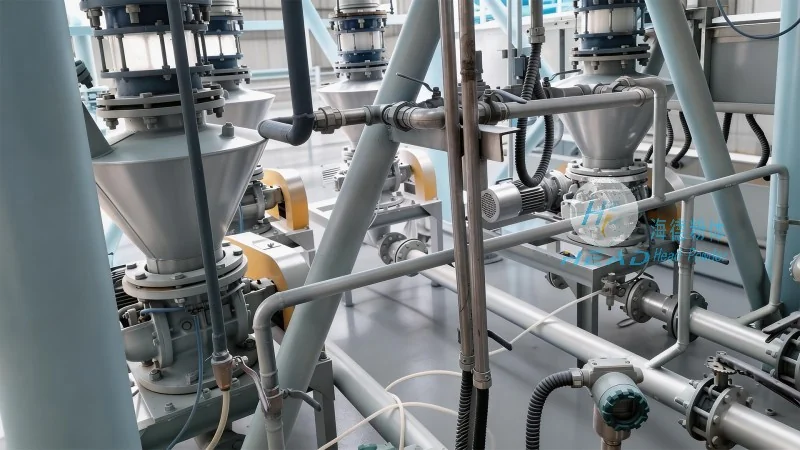
At the heart of plastic pellet pneumatic conveying systems is the ability to move bulk plastic materials through a pipeline using compressed air. This method eliminates the need for mechanical components like belts or buckets, reducing maintenance requirements and increasing operational reliability. The system typically consists of a hopper for material storage, a blower or compressor to generate the air flow, a pipeline network to guide the material, and a discharge point where the pellets are released. The design of these systems is tailored to handle the unique properties of plastic pellets, such as their size, density, and flow characteristics, ensuring smooth and consistent transport.
The Working Principle of Pneumatic Conveying for Plastic Pellets
The fundamental principle behind plastic pellet pneumatic conveying is the creation of a pressure differential within the pipeline. When compressed air is introduced into the hopper, it lifts the plastic pellets and propels them through the pipeline. The air velocity must be sufficient to overcome the gravitational force and friction within the system, ensuring the pellets remain suspended and transported efficiently. There are two primary types of pneumatic conveying systems: pressure and vacuum. Pressure systems use a blower to push air and material through the pipeline, while vacuum systems use a vacuum pump to draw material into the pipeline. For plastic pellets, pressure systems are often preferred due to their ability to handle longer distances and higher material loads without significant pressure loss.
Key Working Scene Characteristics of Plastic Pellet Pneumatic Conveying Systems
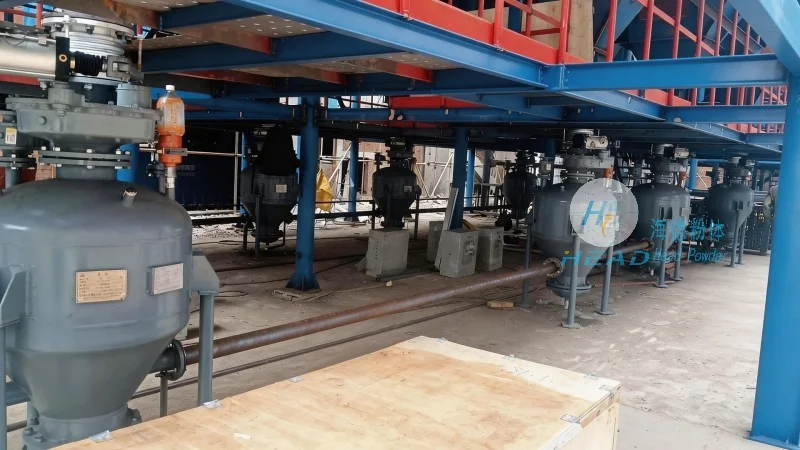
The effectiveness of plastic pellet pneumatic conveying systems is highly dependent on the working environment and application requirements. Several key characteristics define their performance in different scenarios:
- Material Handling Efficiency: These systems excel in high-volume material transport, making them ideal for manufacturing plants, recycling facilities, and plastic processing centers. The ability to move large quantities of plastic pellets quickly and continuously supports production line efficiency and reduces downtime.
- Space Optimization: Pneumatic conveying systems are particularly advantageous in confined or multi-level facilities. Unlike traditional conveyor belts, they require minimal floor space and can be installed vertically or horizontally, adapting to the layout of the facility. This makes them suitable for plants with limited space or complex layouts.
- Reduced Contamination and Dust: Unlike mechanical systems that may generate dust or cause material contamination, pneumatic conveying systems keep the plastic pellets enclosed within the pipeline. This helps maintain material purity, which is crucial for high-quality plastic products and reduces the risk of dust-related health hazards in the workplace.
- Flexibility in Application: Plastic pellet pneumatic conveying systems can be configured for various applications, including material transfer between different processing stages, storage and retrieval from silos, and even long-distance transport between different parts of a plant or even different facilities. Their modular design allows for easy expansion or reconfiguration to meet changing production needs.
Company Profile: Shandong HeadPowder Engineering Co., Ltd.
Shandong HeadPowder Engineering Co., Ltd., operating under the brand name HeadPowder, specializes in the design, manufacturing, and installation of advanced pneumatic conveying systems for the plastic industry. With a focus on innovation and customer-centric solutions, HeadPowder has established itself as a leading provider of reliable and efficient material handling equipment. The company's headquarters is located in Shandong, China, where it leverages local expertise and resources to develop cutting-edge technologies tailored to the specific needs of the plastic processing sector.
Conclusion
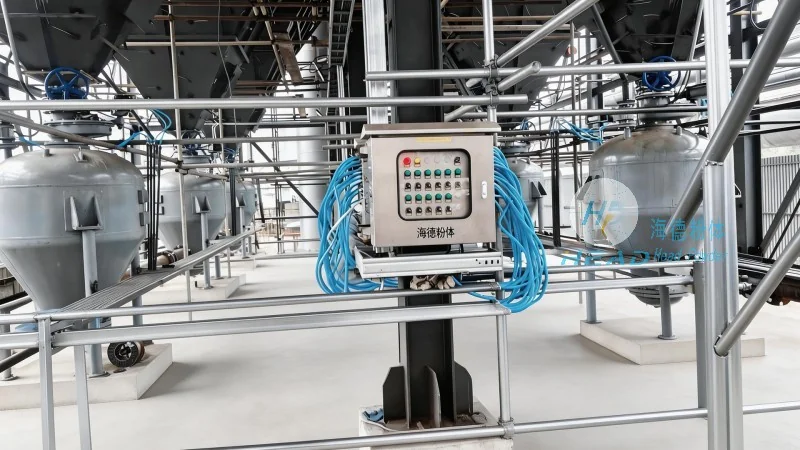
Plastic pellet pneumatic conveying systems offer a robust and efficient solution for material handling in the plastic industry, characterized by their operational principles and versatile working scene applications. By understanding the core technology and the specific advantages of these systems, industries can enhance their production processes, improve material handling efficiency, and maintain high standards of quality and safety. With companies like Shandong HeadPowder Engineering Co., Ltd. providing specialized solutions, the adoption of pneumatic conveying systems continues to grow, supporting the evolving needs of the global plastic manufacturing sector.




