Understanding the principles and operational characteristics of sintered ash powder conveying is crucial for optimizing material handling processes in industrial settings. This article explores the fundamental mechanisms behind the transportation of sintered ash powders, alongside the specific working scenarios where such systems are most effectively applied. By examining the technical aspects and practical applications, we aim to provide a comprehensive overview that caters to professionals seeking to enhance efficiency and reliability in powder handling operations.
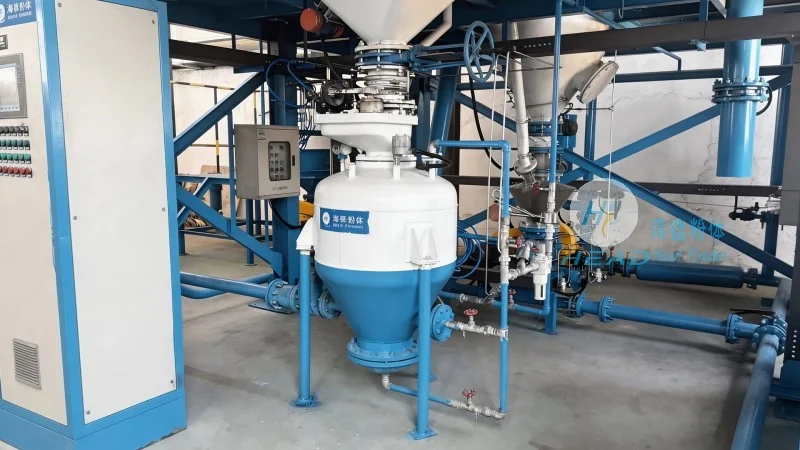
Introduction to Sintered Ash Powder Conveying Systems
Sintered ash, a byproduct of industrial processes such as coal combustion, is a fine particulate material that requires specialized conveying methods to ensure safe and efficient transport. The primary goal of sintered ash powder conveying is to move these powders from one location to another within a facility or between different industrial sites. This process involves the use of various technologies, including pneumatic conveying, mechanical screw conveyors, and bucket elevators, each tailored to the specific properties of sintered ash and the operational requirements of the application.
Key Principles of Sintered Ash Powder Conveying
The core principles of sintered ash powder conveying revolve around maintaining material integrity, controlling flow rates, and ensuring system reliability. One of the fundamental aspects is the prevention of material degradation, which can occur due to factors like moisture absorption, agglomeration, or excessive friction. To address these challenges, conveying systems often incorporate features such as temperature control, moisture reduction, and gentle handling mechanisms. Additionally, the design of the conveying system must consider the particle size distribution, density, and flow characteristics of the sintered ash, as these properties directly impact the efficiency of the transport process.
Working Scene Characteristics and Application Scenarios
Sintered ash powder conveying systems are widely used in various industrial environments, each with distinct characteristics that influence the choice of conveying technology. For instance, in power plants, the need to transport large volumes of sintered ash from the combustion chamber to storage or disposal sites demands high-capacity systems capable of handling abrasive and corrosive materials. In such scenarios, pneumatic conveying systems, particularly the positive pressure type, are often preferred due to their ability to transport powders over long distances with minimal maintenance.
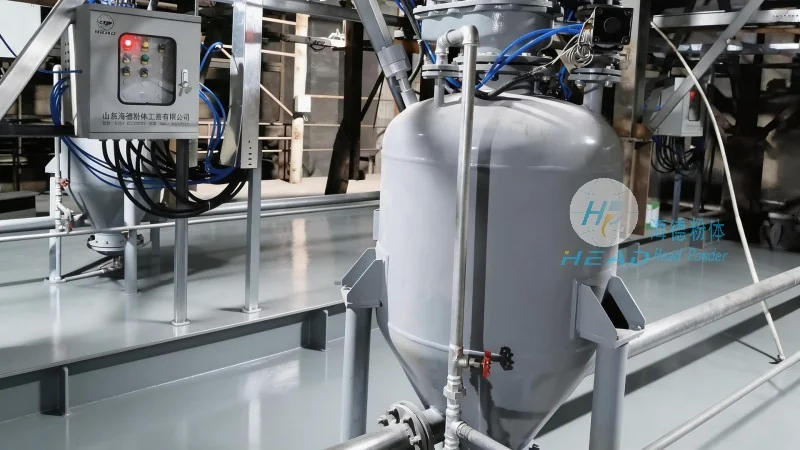
In manufacturing facilities that process sintered ash for further use, such as in cement or fertilizer production, the conveying system must ensure precise dosing and minimal material loss. Here, mechanical screw conveyors or belt conveyors may be employed, as they offer better control over flow rates and can handle bulk quantities with consistent performance. The choice of system also depends on the layout of the facility, the distance between the source and destination, and the need for enclosed or open transport, which affects dust control and environmental compliance.
Technical Considerations for Efficient Conveying
Efficient sintered ash powder conveying requires careful consideration of several technical factors. The selection of the appropriate conveying method is critical, as it directly impacts the system's performance, energy consumption, and operational costs. Pneumatic conveying, for example, uses compressed air to move powders through a pipeline, making it suitable for applications where dust containment is essential and long-distance transport is required. Mechanical conveyors, on the other hand, rely on mechanical components like screws or belts, which are more suitable for short-distance or high-volume bulk transport.
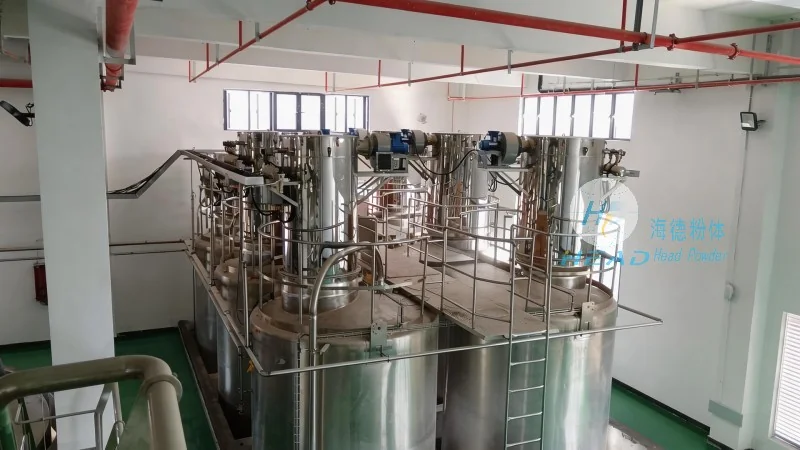
Another key consideration is the material of construction for the conveying equipment. Sintered ash can be abrasive and corrosive, so the equipment must be made from durable materials such as stainless steel or high-grade alloys to prevent wear and extend the system's lifespan. Additionally, the system design must incorporate features like airlocks, filters, and dust collection to ensure compliance with environmental regulations and maintain a safe working environment for personnel.
Company Profile: Shandong HeadPowder Engineering Co., Ltd.
Shandong HeadPowder Engineering Co., Ltd., operating under the brand name headpowder, specializes in the design, manufacturing, and implementation of advanced powder handling systems. With a focus on sintered ash and other industrial powders, the company provides tailored solutions that meet the unique needs of clients across various industries. Headpowder's expertise lies in understanding the complexities of powder transport and developing systems that optimize efficiency, reliability, and safety. The company's commitment to innovation and quality has made it a trusted partner for businesses seeking to enhance their material handling capabilities.
Conclusion and Practical Applications
In conclusion, the principles and working scene characteristics of sintered ash powder conveying play a vital role in the efficient operation of industrial facilities. By understanding the technical requirements and selecting the appropriate conveying system, businesses can achieve significant improvements in productivity and cost-effectiveness. The application of advanced technologies and robust engineering solutions, as exemplified by companies like Shandong HeadPowder Engineering Co., Ltd., ensures that sintered ash powder conveying remains a reliable and efficient process in modern industrial settings.




