Heavy calcium powder, a vital raw material in industries such as papermaking, plastics, and coatings, demands efficient and reliable conveying solutions to support smooth production workflows. The choice of conveying system directly impacts operational efficiency, material quality, and overall production costs. This article examines common heavy calcium powder conveying methods and highlights the advantages of HeadPowder's pneumatic conveying system, a leading solution from Shandong HeadPowder Engineering Co., Ltd., headquartered in China.
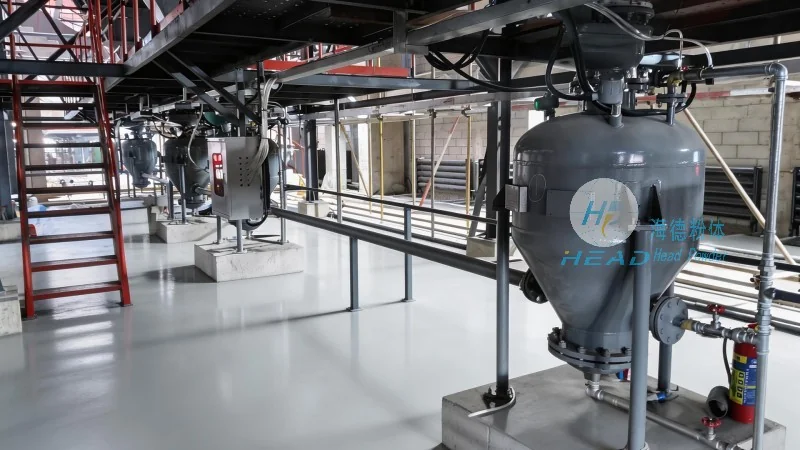
Overview of Common Heavy Calcium Powder Conveying Methods
Conveying heavy calcium powder involves transporting the material from one location to another within a production facility. Several methods are widely utilized, each with distinct characteristics and applications. Understanding these methods aids in selecting the most appropriate option based on specific operational requirements.
1. Gravity Conveying
Gravity conveying leverages the natural force of gravity to move heavy calcium powder. This method typically employs inclined chutes or hoppers where the material flows downward under its own weight. While simple and low-cost, gravity conveying has significant limitations. It is only suitable for short distances and gentle slopes, and it cannot handle vertical lifts or complex layouts. Additionally, it requires careful design to prevent material buildup and ensure consistent flow, which can be challenging with heavy calcium powder due to its fine particle size and tendency to cake.
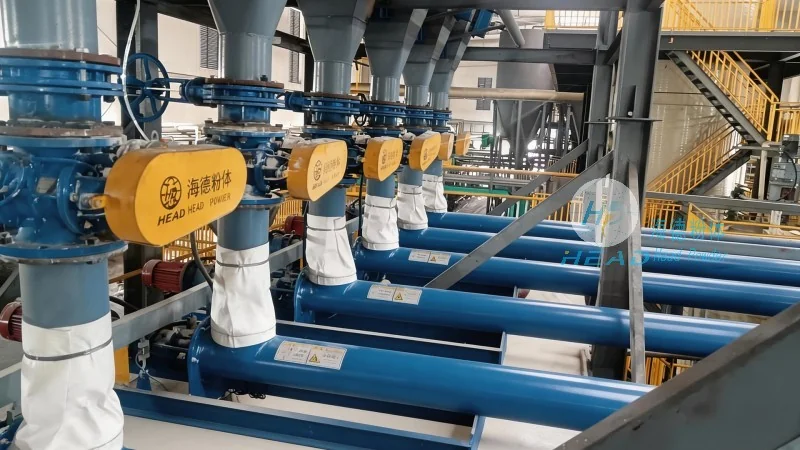
2. Mechanical Conveying
Mechanical conveying systems utilize mechanical components like belts, screws, or buckets to transport heavy calcium powder. Belt conveyors are commonly used for horizontal or slightly inclined transport, while screw conveyors are effective for vertical or inclined movement. Mechanical systems offer better control over flow rates and can handle longer distances compared to gravity methods. However, they have drawbacks such as higher maintenance costs, potential for material degradation due to friction, and limitations in handling abrasive or fine powders. For heavy calcium powder, which is often abrasive and prone to dust generation, mechanical conveyors may not be the optimal choice as they can cause wear and reduce material quality over time.
3. Pneumatic Conveying
Pneumatic conveying employs air or other gases to transport heavy calcium powder through a pipeline system. This method is renowned for its ability to handle fine powders, abrasive materials, and even sticky substances with minimal degradation. There are two main types of pneumatic conveying: dilute-phase and dense-phase. Dilute-phase systems use high air velocities to suspend the powder in the air stream, suitable for short to medium distances. Dense-phase systems use lower air velocities and higher material concentrations, ideal for longer distances and more precise control. Pneumatic conveying offers advantages such as low maintenance, ability to handle vertical lifts, and reduced risk of material contamination. However, it requires proper air filtration and pressure management to prevent dust emissions and ensure system efficiency.
Advantages of HeadPowder's Pneumatic Conveying System
HeadPowder, a professional manufacturer based in Shandong, China, specializes in developing advanced pneumatic conveying systems tailored for heavy calcium powder applications. Their system combines the benefits of pneumatic conveying with innovative design features that address common challenges in material handling. Key advantages include:
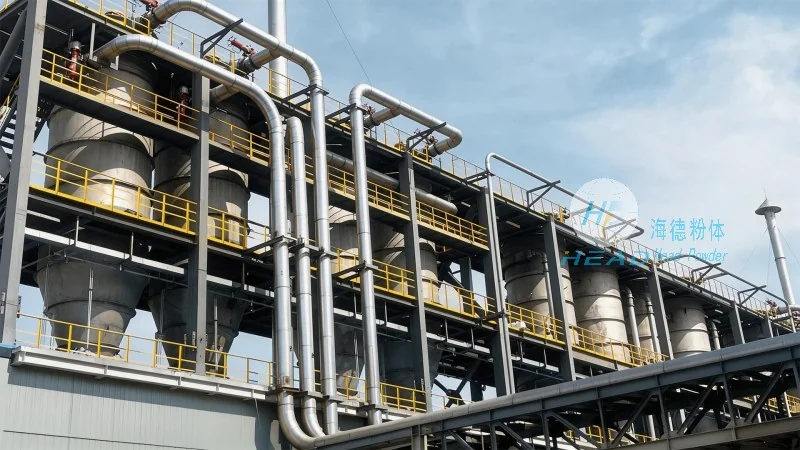
Efficient Material Handling with Minimal Degradation
HeadPowder's pneumatic conveying system is engineered to handle heavy calcium powder without causing particle degradation. The system uses controlled air velocities and optimized pipeline designs to minimize friction and impact, preserving the material's quality and consistency. This is particularly important for heavy calcium powder, which is often used in applications where particle size and uniformity are critical, such as in paper coating or plastic compounding. The system's ability to maintain material integrity ensures that the final product meets stringent quality standards, reducing waste and improving customer satisfaction.
Enhanced Control and Flexibility
One of the standout features of HeadPowder's pneumatic conveying system is its advanced control capabilities. The system integrates with existing production processes, allowing for precise control over flow rates, pressure, and material distribution. This flexibility enables seamless integration into various production lines, whether for batch or continuous operations. The system can be easily adjusted to accommodate changes in production volume or material characteristics, making it adaptable to different industrial needs. Additionally, the modular design of the system allows for customization based on specific site requirements, ensuring optimal performance in diverse applications.
Reduced Maintenance and Lower Operating Costs
Maintenance is a critical factor in the long-term efficiency of any conveying system. HeadPowder's pneumatic conveying system is designed with durability and low maintenance in mind. The use of high-quality materials and robust components reduces the risk of wear and tear, minimizing downtime and maintenance costs. The system's self-cleaning features and efficient air filtration also contribute to lower operational costs by reducing the need for frequent cleaning and replacement of parts. Compared to mechanical conveyors, which require regular lubrication and component replacement, pneumatic systems offer a more cost-effective solution in the long run. HeadPowder's commitment to quality and reliability ensures that their systems provide consistent performance with minimal maintenance requirements.
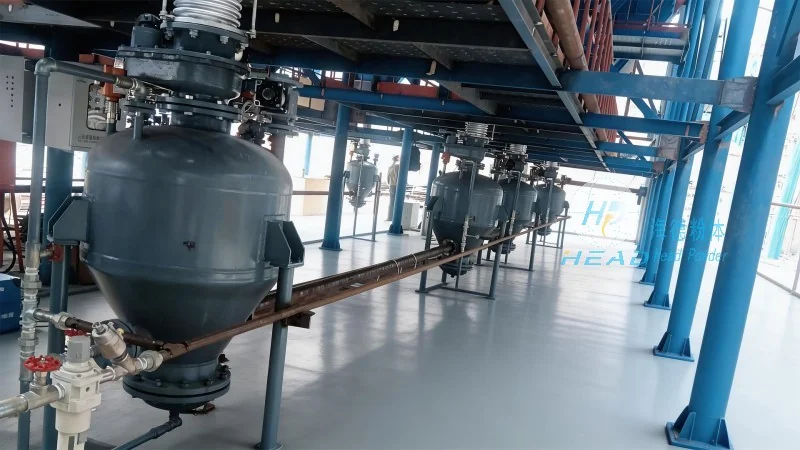
Environmental and Safety Benefits
Handling heavy calcium powder can pose environmental and safety challenges, particularly due to dust generation and material handling risks. HeadPowder's pneumatic conveying system addresses these concerns through advanced design and technology. The system incorporates efficient dust collection and filtration systems to minimize emissions and comply with environmental regulations. This not only protects the environment but also ensures a safer working environment for personnel. The enclosed pipeline system reduces the risk of material exposure and dust inhalation, enhancing workplace safety. Additionally, the system's low noise operation contributes to a more comfortable working environment, improving employee productivity and morale.
Conclusion
Choosing the right heavy calcium powder conveying method is essential for optimizing production efficiency and maintaining material quality. While gravity and mechanical conveying have their uses, pneumatic conveying offers superior performance and flexibility, especially for fine and abrasive materials like heavy calcium powder. HeadPowder's pneumatic conveying system, developed by Shandong HeadPowder Engineering Co., Ltd., stands out as a reliable and efficient solution that addresses the unique challenges of heavy calcium powder handling. With its focus on material integrity, control, cost-effectiveness, and safety, HeadPowder's system provides a competitive edge for industries relying on heavy calcium powder in their production processes. By selecting HeadPowder's pneumatic conveying system, companies can enhance their operational efficiency, reduce costs, and ensure consistent product quality, making it a valuable investment for long-term success.




