Phenolic resin powder is a widely used material in various industrial applications due to its excellent properties such as high thermal stability, good electrical insulation, and strong adhesive characteristics. The efficient and reliable transportation of phenolic resin powder from one location to another is crucial for maintaining production efficiency and product quality. Pneumatic conveying systems have emerged as a preferred solution for handling this type of material, offering advantages like dust-free operation, reduced material degradation, and flexible system design. This article explores the fundamental principles of phenolic resin powder pneumatic conveying systems and highlights the key characteristics of their working environments.
Understanding the Core Principles of Pneumatic Conveying for Phenolic Resin Powder
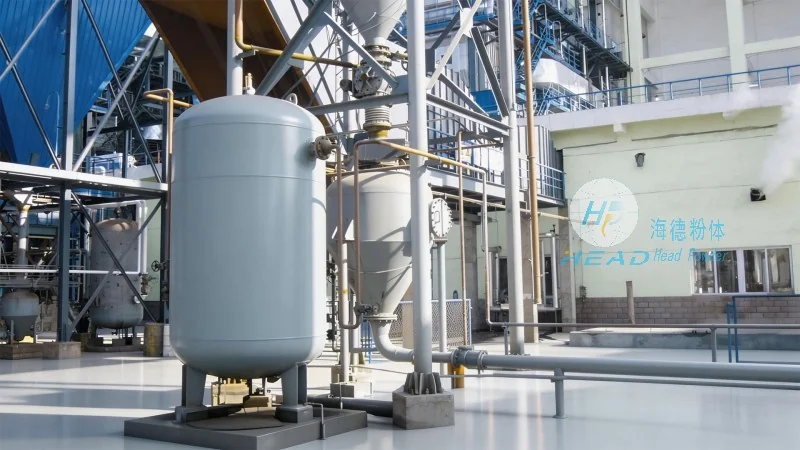
The pneumatic conveying system operates on the principle of using compressed air to transport solid particles through a pipeline. In the case of phenolic resin powder, the system typically employs a positive pressure or negative pressure (or a combination of both) method to move the material. The positive pressure system involves blowing air into the conveying line, while the negative pressure system creates a vacuum to draw the material. The choice of system depends on factors like material properties, distance, and system complexity. For phenolic resin powder, which is often fine and can be prone to caking or agglomeration, a positive pressure system is commonly preferred as it provides better control over particle flow and reduces the risk of blockages. The system components generally include a hopper for material storage, a feeder to control the flow rate, a compressor to generate the air pressure, a conveying line, and a receiver for the material at the destination. The hopper is designed to minimize material degradation by preventing exposure to air and moisture, while the feeder ensures a consistent and controlled discharge of the powder. The compressor provides the necessary pressure to move the material through the pipeline, and the conveying line is typically made of materials resistant to the corrosive or abrasive nature of phenolic resin powder. The receiver collects the material and may include features like a dust filter to prevent air leakage and maintain a clean environment.
Key Working Scene Characteristics of Phenolic Resin Powder Pneumatic Conveying Systems
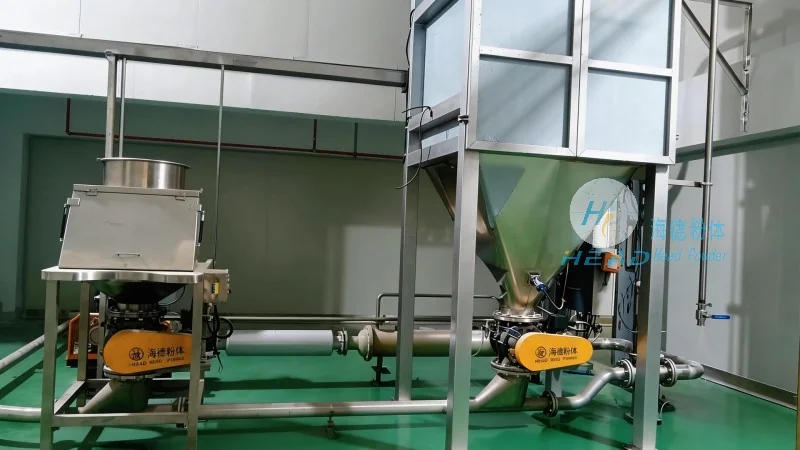
The working environment of a phenolic resin powder pneumatic conveying system is characterized by several specific features that influence its performance and design. First, the material's properties play a critical role. Phenolic resin powder is often fine-grained, with particle sizes ranging from a few microns to several hundred microns. This fineness makes it susceptible to static electricity, which can cause material buildup on surfaces and affect flow. Therefore, anti-static measures are commonly incorporated into the system design, such as grounding the equipment and using conductive materials. Second, the system operates in an industrial setting where space constraints and integration with other production equipment are important considerations. The design of the conveying line and components must be compact and adaptable to fit within existing facilities. Third, the system requires careful control of air pressure and flow rate to ensure efficient material transport without causing excessive wear on components or material degradation. This involves precise regulation of the compressor output and the feeder's speed. Fourth, the working environment may involve high temperatures or exposure to chemicals, which necessitates the use of materials that can withstand these conditions. For example, the conveying line may be made of stainless steel or other corrosion-resistant materials to handle any potential chemical interactions with the phenolic resin powder. Fifth, the system's performance is often evaluated based on factors like conveying capacity, distance, and material loss. The working scene characteristics, such as the need for high conveying rates or long distances, dictate the system's configuration, including the size of the compressor, the diameter of the conveying line, and the number of bends or elbows in the pipeline. Additionally, the system may be integrated with other processes, such as mixing or drying, which requires coordination to ensure smooth operation and consistent material quality.
Application Scenarios and Practical Considerations for Phenolic Resin Powder Pneumatic Conveying
The practical application of phenolic resin powder pneumatic conveying systems varies across different industries and production processes. In the manufacturing of phenolic resins and related products, the system is used to transport raw materials from storage to processing units, such as reactors or mixers. This ensures a continuous supply of material without the need for manual handling, which can be hazardous and inefficient. In the production of composite materials, phenolic resin powder is often mixed with other fibers or fillers and then conveyed to the molding or pressing equipment. The system's ability to handle fine powders without segregation is crucial for maintaining the uniformity of the final product. In the automotive and aerospace industries, phenolic resin powder is used in the manufacturing of components that require high thermal stability and electrical insulation. The pneumatic conveying system ensures that the material is delivered to the production line in a controlled manner, reducing the risk of contamination and improving product consistency. Another application scenario is in the chemical and pharmaceutical industries, where phenolic resin powder may be used as a raw material or additive. The system's dust-free operation is particularly important in these industries to meet safety and regulatory standards. Practical considerations for these applications include the need for high-purity materials, minimal contamination, and the ability to handle varying material properties. The system design must also account for the potential for material caking or agglomeration, which can affect flow and system performance. Regular maintenance and cleaning of the system components are essential to prevent blockages and ensure long-term operation. Additionally, the system's energy efficiency is a key consideration, as the operation of compressors and other equipment contributes to overall energy consumption. Optimizing the system design to minimize energy use while maintaining conveying performance is a practical goal for many industrial applications.
Conclusion: The Importance of Understanding Phenolic Resin Powder Pneumatic Conveying Systems
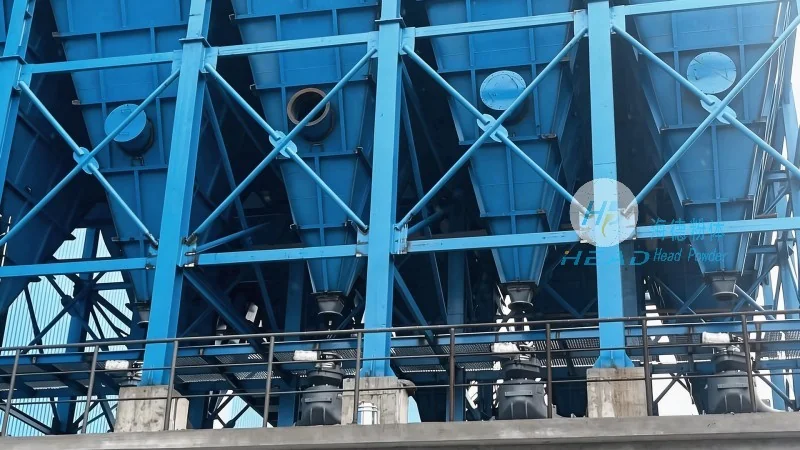
In conclusion, the pneumatic conveying system for phenolic resin powder is a critical component in many industrial processes, offering efficient and reliable transportation of this important material. The principles of operation, including the use of compressed air and precise control of material flow, are fundamental to the system's effectiveness. The working scene characteristics, such as material properties, environmental conditions, and integration with other processes, require careful consideration in system design and implementation. Practical applications across various industries highlight the versatility and importance of these systems in maintaining production efficiency and product quality. For companies like Shandong HeadPowder Engineering Co., Ltd., specializing in engineering solutions for material handling, understanding and optimizing phenolic resin powder pneumatic conveying systems is essential to meet the demands of modern industrial production. By adhering to the principles and characteristics discussed, industries can ensure the smooth and efficient operation of their phenolic resin powder handling processes, contributing to overall productivity and success.




