Barite, a heavy mineral widely used in various industrial applications such as oil drilling, paint manufacturing, and medical imaging, requires efficient and reliable transportation methods to ensure smooth production processes. Among the different conveying systems available, pneumatic conveying stands out as a preferred solution for handling barite due to its ability to transport materials in a closed system, minimizing dust and contamination. This article explores common barite conveying methods and highlights the advantages and features of HeadPowder's pneumatic conveying technology, a leading solution in the industry.
Understanding Barite and Its Conveying Requirements
Barite, chemically known as barium sulfate (BaSO₄), is characterized by its high density and low reactivity. These properties make it an ideal weighting agent in oil drilling fluids, where it helps to increase the density of the drilling fluid and prevent blowouts. In other applications, such as in the production of coatings and pigments, barite is used as a filler or extender. The physical properties of barite, including its particle size distribution and moisture content, significantly influence the choice of conveying method. For instance, fine-grained barite may require more specialized equipment to prevent clogging and ensure consistent flow.
Common Barite Conveying Methods
Several methods are commonly used to transport barite, each with its own set of advantages and limitations. The primary methods include mechanical conveying, such as belt conveyors and screw conveyors, and pneumatic conveying. Mechanical systems are often preferred for short-distance transport and when the material is relatively dry and free-flowing. However, they are less effective for handling fine powders or when dust control is a critical concern. Pneumatic conveying, on the other hand, offers a more versatile solution for a wide range of barite applications.
HeadPowder's Pneumatic Conveying Technology: Key Advantages
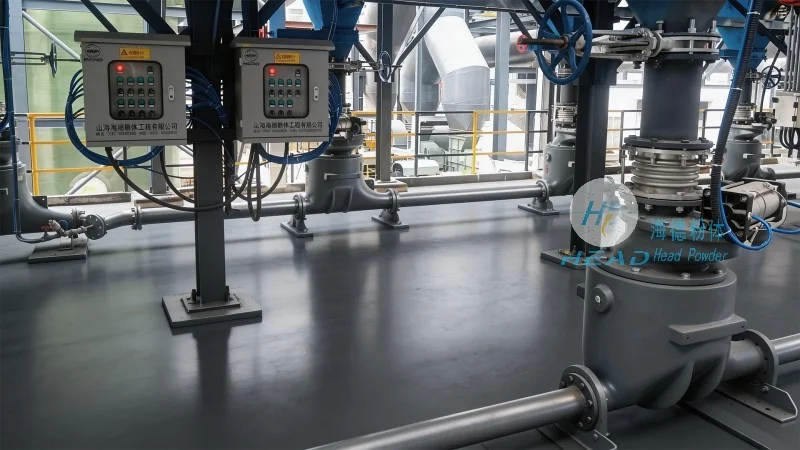
HeadPowder, a renowned manufacturer of industrial conveying systems, specializes in developing advanced pneumatic conveying solutions tailored to the unique needs of barite handling. The company's technology is designed to address the challenges associated with barite transportation, such as material variability, dust generation, and system efficiency. Key advantages of HeadPowder's pneumatic conveying system include:
1. Closed System Operation and Dust Control
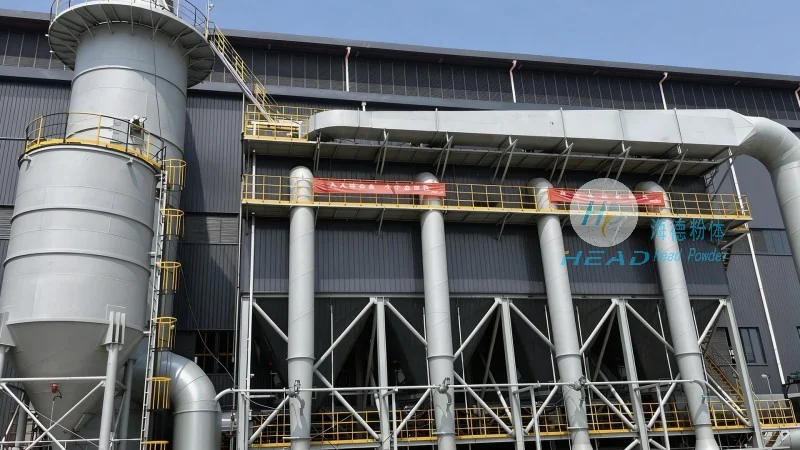
One of the most significant advantages of pneumatic conveying is the ability to operate in a closed system. This feature eliminates the need for open-air handling, reducing dust emissions and improving workplace safety. For barite, which can be a respiratory hazard when inhaled, this is particularly important. HeadPowder's systems are equipped with advanced filtration and dust collection mechanisms that ensure minimal environmental impact while maintaining high material recovery rates.
2. Versatility in Material Handling
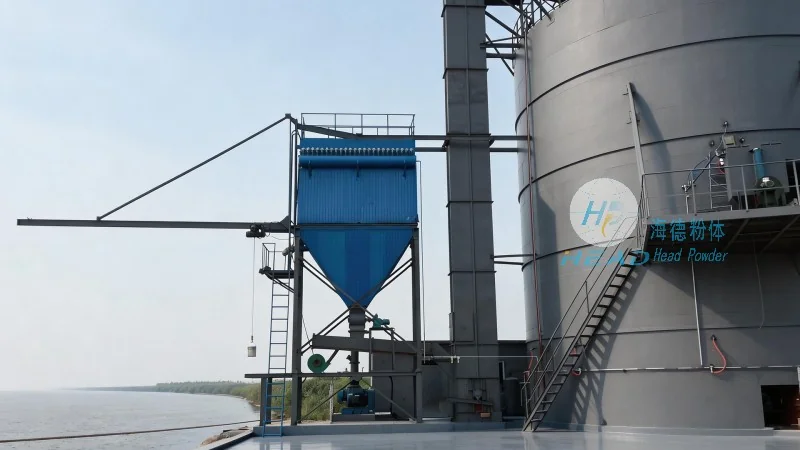
HeadPowder's pneumatic conveying technology is highly versatile and can handle a wide range of barite types, including fine powders, granules, and even wet or sticky materials. The system's design allows for the integration of different components, such as rotary valves, airlocks, and cyclones, to adapt to varying particle sizes and flow rates. This flexibility makes it suitable for both small-scale and large-scale operations, from laboratory testing to industrial production lines.
3. Energy Efficiency and Cost-Effectiveness
Compared to traditional mechanical conveying systems, pneumatic conveying can be more energy-efficient, especially for long-distance transport. HeadPowder's systems are engineered to optimize air usage, reducing operational costs while maintaining consistent material flow. The company's use of high-efficiency blowers and intelligent control systems further enhances energy savings. Additionally, the reduced need for maintenance due to fewer moving parts contributes to lower long-term operational expenses.
4. Enhanced Product Quality and Consistency
By minimizing material contact with external surfaces and reducing exposure to air, HeadPowder's pneumatic conveying system helps to maintain the purity and quality of barite. This is crucial for applications where the material's properties, such as density and particle size, directly impact the final product's performance. The closed system also prevents contamination from external sources, ensuring that the barite delivered to the processing plant meets the required specifications.
5. Scalability and Customization
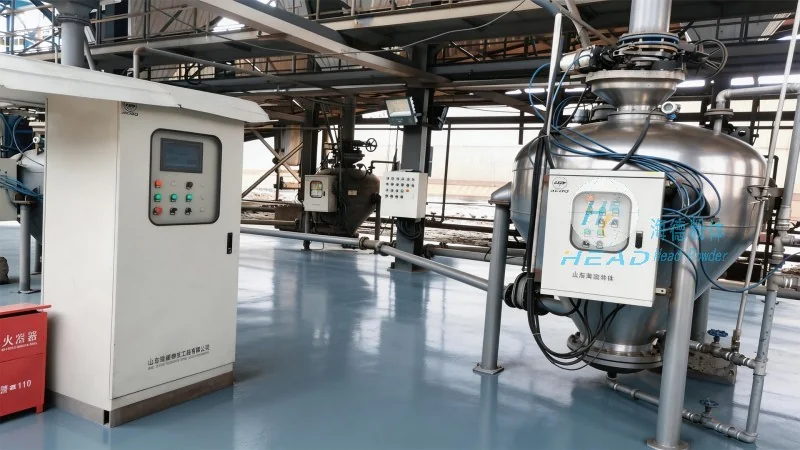
HeadPowder understands that each barite handling operation has unique requirements. Therefore, the company offers customized solutions tailored to specific customer needs. Whether it's a retrofit of an existing system or a new installation, HeadPowder's engineers work closely with clients to design a conveying system that maximizes efficiency and minimizes downtime. The company's expertise in material flow analysis and system integration ensures that the final solution is both effective and cost-effective.
Conclusion: Choosing the Right Conveying Solution for Barite
When selecting a barite conveying method, it is essential to consider factors such as material properties, transport distance, and environmental regulations. While mechanical systems may be suitable for certain applications, pneumatic conveying offers superior performance in terms of dust control, versatility, and efficiency. HeadPowder's pneumatic conveying technology stands out as a reliable and advanced solution that addresses the specific challenges of barite handling. By leveraging the company's expertise and innovative design, industries can achieve optimal performance and maintain high product quality. For businesses looking to enhance their barite transportation processes, HeadPowder's solutions provide a robust and sustainable option that meets the demands of modern industrial operations.




